
REVIEW · PILSEN & PILSNER URQUELL TOURS
Pilsen: Brewery Museum Entrance with a Glass of Beer
A visit here feels like walking into an old beer story. The Brewery Museum in Plzeň is set in a preserved 15th-century house, so the setting does half the work for you, even before you learn a single fact. You move through real spaces that explain how beer was made, served, and even how people drank it when medieval life looked very different.
What I like most is the museum’s authentic atmosphere: medieval cellars tucked under the brewing house, period pubs, and all the practical details about brewing from long ago. I also love the payoff at the end, because the tour includes a glass of Pilsner Urquell (0.3 liters), which gives the history a taste you can actually compare to what you know today. One thing to consider, though, is that the self-guided audio via SmartGuide can be a little finicky on a phone, so if you rely on it, do a quick test before you head deeper into the museum.
In This Review
- Key points worth knowing before you go
- Entering Plzeň’s Brewery Museum, in an actual old brewery house
- What you learn about Czech beer history, without getting stuck in trivia
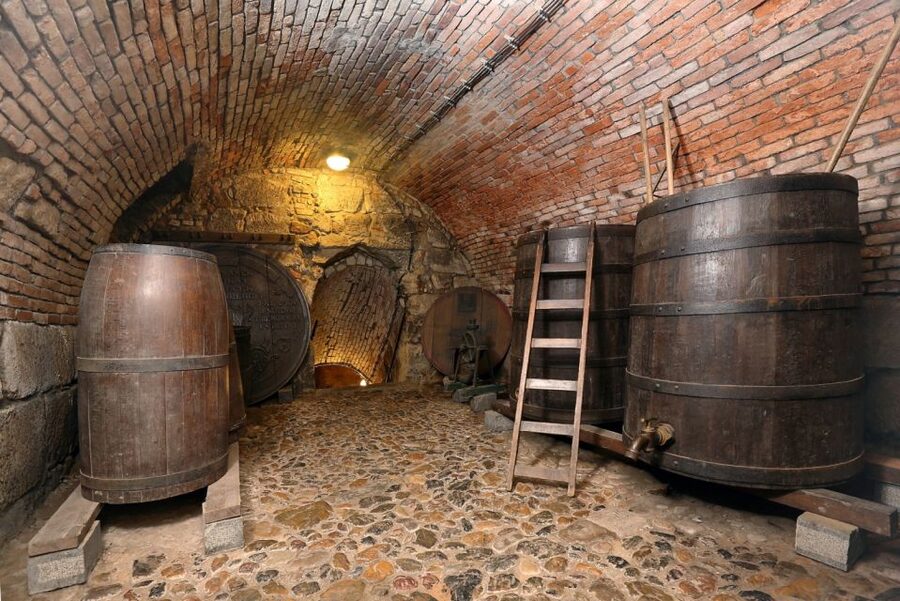
- Medieval beer in the cellars: reeds, serving, and hidden spaces
- The late Gothic malt shop and the work behind the grain
- The smallest jug in the world, and other brewery curiosities
- The finish: 0.3 liters of Pilsner Urquell (and how to use your voucher)
- Price and value: does $7 make sense for your day?
- SmartGuide and audio: a practical tip so you do not waste time
- Where it fits in a Plzeň day plan
- Should you book the Brewery Museum beer tasting?
- FAQ
- How long does the Brewery Museum experience take?
- What is included with the ticket price?
- How do the beer vouchers work?
- Are there language options for the tour?
- Where is the meeting point?
- Is this experience suitable for wheelchair users?
- What is the cancellation policy?
Key points worth knowing before you go
- 15th-century setting: The museum is housed in a preserved historical brewing house, not a generic modern attraction.
- Medieval beer details: You learn how beer was drunk through a reed and what brewing life looked like in earlier centuries.
- Medieval cellars and old pubs: Expect hidden cellar spaces plus beer-pub scenes from the beginning of the 20th century.
- Gothic malt house and threshing yard: You’ll see the late Gothic malt shop tied to grain steeping and germination.
- Quirky artifacts: The tour highlights the smallest jug in the world, plus other memorable brewery pieces.
- Real tasting at the end: Adults get a voucher for a 0.3-liter Pilsner Urquell pour in a nearby restaurant.
Undecided so far? These Plzen write-ups land nearest this one.
- Pilsen: Pilsner Urquell Brewery Tour with Beer Tasting★ 4.7 · 2,419 reviews
- Pilsen: Old Town Gastronomy Tour★ 4.5 · 51 reviews
- Pilsen: Pub and Club Crawl★ 4.9 · 41 reviews
- Pilsen: 1.5-Hour Beer Bike with Unlimited Beer★ 4.7 · 38 reviews
Entering Plzeň’s Brewery Museum, in an actual old brewery house
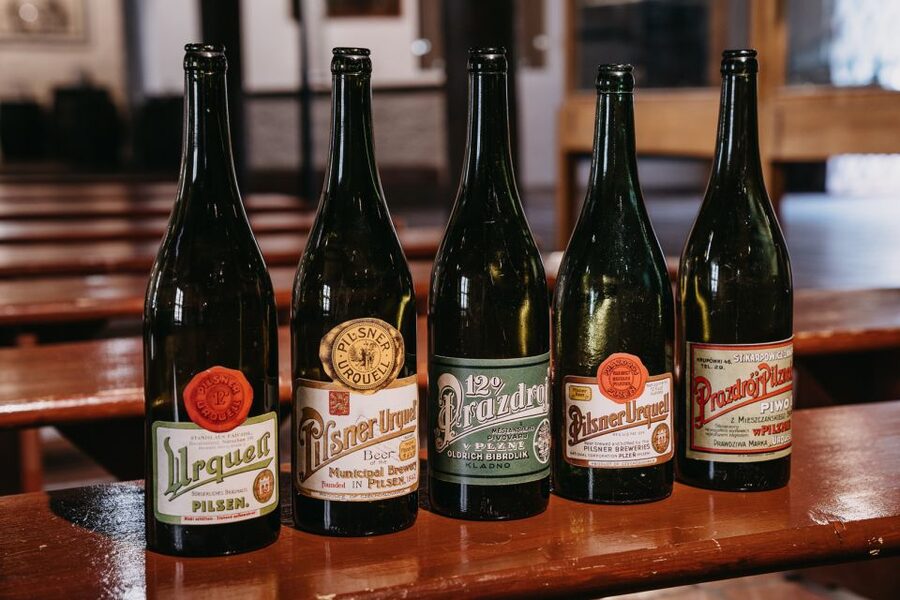
Plzeň’s Brewery Museum works because it does not try to be flashy. You step into a real 15th-century building that has been preserved in its original form, which matters more than it sounds. Museums in old places tend to feel a little more honest, and this one uses that advantage well.
The overall flow is simple. You enter, you follow the tour route through different rooms and display areas, and you learn about the history and practical steps of Czech beer. The building itself supports the story: brewing was never just a concept. It was architecture, workspaces, storage, and tools, all designed around the beer.
If you like places that feel grounded and specific, you’ll probably enjoy this format. It is not a huge sprawling museum experience, and that can be a plus when you are in Plzeň for a day and want something focused.
What you learn about Czech beer history, without getting stuck in trivia
The tour is built around one big idea: understanding beer as a craft that changed over time. You start with the story of Czech beer and move through how people approached brewing, serving, and drinking across different eras. That approach keeps it more useful than a purely chronological lecture.
You also get practical context. Instead of treating beer as a single product, the tour highlights how brewing systems and serving habits grew out of everyday life, local routines, and the technology available at the time. That is why the museum’s rooms and themes feel like they belong together.
There is also a “beer-making legend” angle, which helps break up the factual parts. Even if you do not remember every detail, the museum helps you connect the dots between old brewing practices and why Czech beer culture looks the way it does today.
Medieval beer in the cellars: reeds, serving, and hidden spaces
One of the most vivid parts of the experience is the jump back into medieval times. The museum specifically shows how medieval drinkers could get beer through a reed, which is one of those details that instantly makes beer feel real instead of abstract. It is also a reminder that people drank beer as part of daily life, not just as a fun social activity.
As you move through the route, you see the medieval cellars hidden under the brewing house. That is a big deal for your understanding. Cellars are where storage, cooling, and careful handling mattered, and the museum uses those spaces to help you picture what brewing life required.
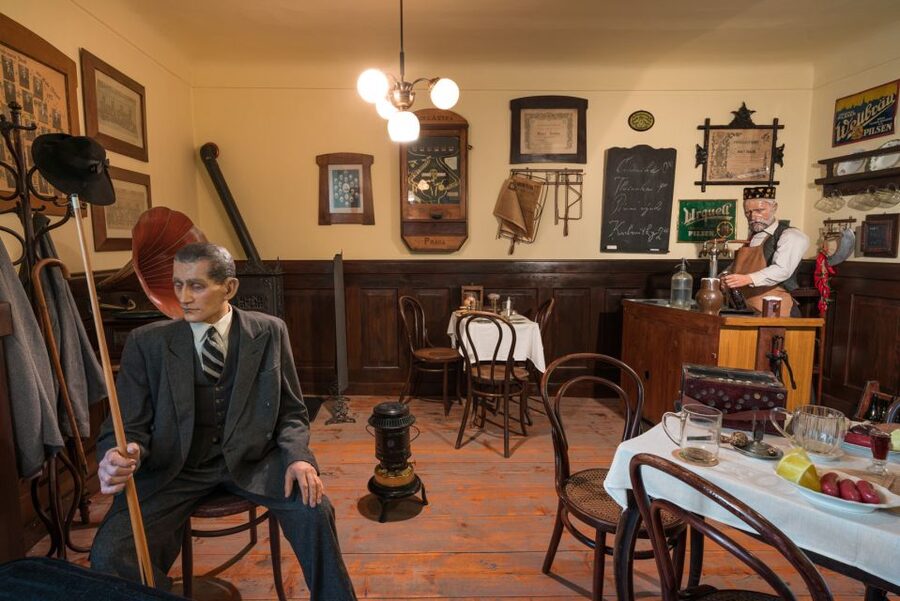
The museum also takes you into authentic beer-pub scenes from the beginning of the 20th century. That shift is smart, because it bridges the gap between medieval life and later Czech drinking culture. You get to compare how the vibe and setup of beer spaces evolved, while the core idea of serving beer in community remained.
Further pints, further cellars, same tram map
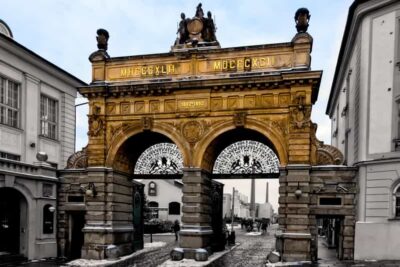
The late Gothic malt shop and the work behind the grain
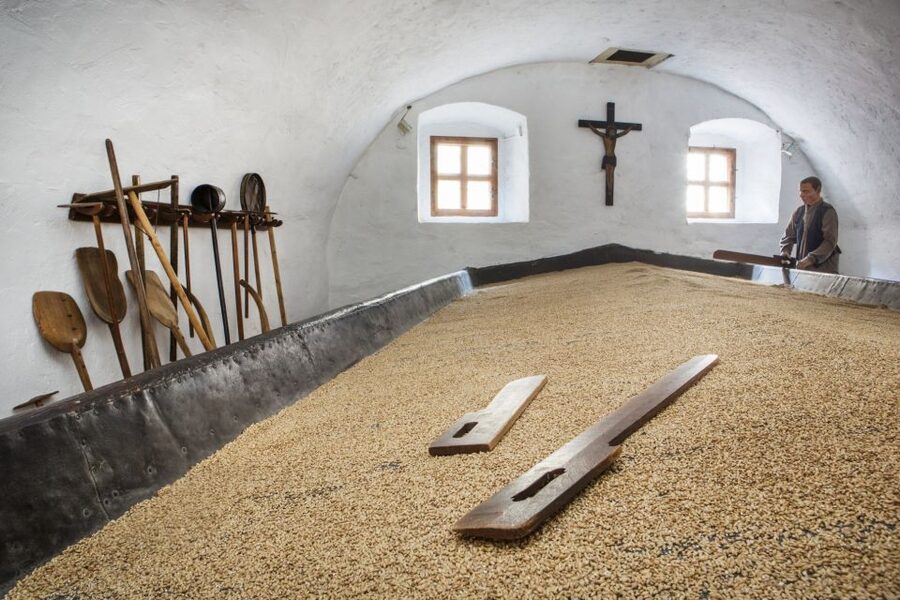
Beer starts before brewing, with grain. The museum leans into that by showing the late Gothic malt shop, described as a key part of the threshing yard. This is the kind of detail that can sound technical, but it actually makes the story clearer.
You learn about grain steeping and germination, the steps tied to turning raw grain into usable malt. When you understand that, you stop thinking of beer as something that magically appears once you have hops and water. It becomes a process with stages, tools, and timing.
And because this is housed in an old setting, the story does not float away from the objects. You are looking at a physical space tied to those steps, which helps the explanation stick.
If you enjoy food and drink history that connects to real labor, this part will likely hit your sweet spot. It’s not just about taste. It is about what it took to make taste possible.
The smallest jug in the world, and other brewery curiosities
Not every museum knows how to balance “important” with “fun.” This one does a decent job with quirky artifacts, including the smallest jug in the world.
That kind of item might seem like a side note, but it changes the mood. You get a moment that is visually memorable, and you remember it later when you are thinking about how beer culture includes tools, rituals, and clever solutions. Museums that only list facts often blur together. When you add standout objects, the whole experience becomes easier to recall.
The tour also points you toward a Gothic malt house element, reinforcing the idea that this place was designed for brewing. Those architectural and object details help you understand that beer history is not just a timeline. It is physical craft, reflected in the spaces and equipment.
The finish: 0.3 liters of Pilsner Urquell (and how to use your voucher)
The best “foodie payoff” here is the included tasting. If you are 18 or older, you receive a beer voucher at the end of your tour. You can exchange it for 0.3 liters of Pilsner Urquell at one of the specified nearby restaurants: Na Spilce, U Salzmannů, or Na Parkánu.
That exchange point is important for your planning. The tasting is not just poured in the museum space as a random bonus. You are meant to walk out, then convert your voucher into a proper glass at a restaurant setting.
The value is straightforward: you pay for the museum entry and you get a measurable amount of beer, 0.3 liters, not just a vague sip. For most beer lovers, that is enough to make the whole tour feel worth it, especially when you leave with something you can taste and reflect on.
Also, remember the legal age rule: beer voucher tastings are for visitors aged 18 or older, and minors are not served alcohol.
Price and value: does $7 make sense for your day?
At about $7 per person, this experience is priced like a focused add-on, not a full day-long ticketed attraction with multiple meals. The value comes from two things you get together: museum entrance plus a Pilsner Urquell tasting (0.3 liters).
If you are the type of traveler who enjoys drink history and wants more than just a quick brewery stop, this is a very reasonable deal. You get to see old spaces, learn how beer was handled and served in different eras, and then close with a tasting tied directly to the story.
If, on the other hand, you only care about beer in a casual way, you might ask yourself whether you want a longer brewery experience instead. In that case, you could feel this is too short. But if you like compact, story-driven stops, $7 feels fair for what you receive.
SmartGuide and audio: a practical tip so you do not waste time
The museum supports English and German through SmartGuide. You scan a QR code you receive at the ticket office together with your ticket, or you can activate using your e-ticket.
Here’s the practical move: set up your phone right after you get your ticket. If the audio does not start correctly, fix it early rather than later when you are already halfway through the rooms. In one review, an English audio access issue was mentioned, and the takeaway makes sense: there are also signs in multiple languages, so you are not totally stuck if the app misbehaves.
So if you want the best experience, plan for audio to be helpful, not mandatory.
Where it fits in a Plzeň day plan
This is a 1-day experience, and it is compact enough to slot into a day without taking over your schedule. You can treat it like a “history meets beer” anchor stop, then plan nearby activities before or after your tasting exchange.
You should also plan for the tasting to happen after the museum, since your voucher is exchanged at partner restaurants. If you are hungry, consider timing so you can eat at that same stop. You will already be in the beer zone.
One more note: the experience is not suitable for wheelchair users. So if you use a wheelchair, you will want to look for other options in Plzeň that match your mobility needs.
Should you book the Brewery Museum beer tasting?
Book it if you want a focused, well-themed experience that uses an old building as part of the story. You get medieval beer details like drinking through a reed, you see medieval cellars, you learn about grain steeping and germination in a late Gothic malt shop setting, and you finish with a properly measured tasting of Pilsner Urquell (0.3 liters).
Skip it or think twice if you are not into drink history at all, or if you are expecting a huge, modern museum with lots of extra exhibits. This is more precise and story-centered than that.
If your goal is a small, satisfying Plzeň stop that connects architecture, craft, and beer in one go, this is a smart booking.
FAQ
How long does the Brewery Museum experience take?
The experience is listed as lasting 1 day.
What is included with the ticket price?
The included items are entrance to the Brewery Museum and a Pilsner Urquell beer tasting of 0.3 liters.
How do the beer vouchers work?
If you are 18 or older, you receive a beer voucher at the end of the tour. You can exchange it for 0.3 liters of Pilsner Urquell beer at Na Spilce, U Salzmannů, or Na Parkánu restaurants.
Are there language options for the tour?
Yes. You can use the SmartGuide application for tours in English or German.
Where is the meeting point?
Brewery Museum, 301 14, Veleslavínova 58/6, Vnitřní Město, 301 00 Plzeň-Plzeň 3, Czech Republic.
Is this experience suitable for wheelchair users?
No. It is not suitable for wheelchair users.
What is the cancellation policy?
Free cancellation is available up to 24 hours in advance for a full refund.
Along the Pilsner Thread



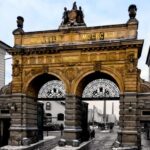
Plzen Measured in Pints
Freshly written up in Plzen
- Pilsen: Old Town Guided Walking Tour
★ 4.7 · 5 reviews - Private Tour to Pilsner Urquell from Prague
★ 4.2 · 6 reviews - Pilsen: 1.5-Hour Beer Bike with Unlimited Beer
★ 4.7 · 38 reviews - Pilsen: Pub and Club Crawl
★ 4.9 · 41 reviews - Pilsen: Old Town Gastronomy Tour
★ 4.5 · 51 reviews
Pilsen & Pilsner Urquell Tours, compared.
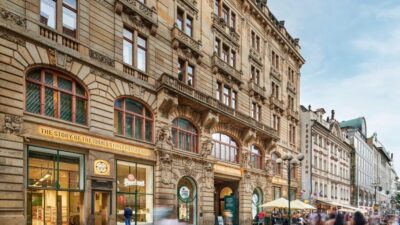 ★ 4.7Pilsner Urquell Experience & Beer TastingFrom $253,480 reviews
 ★ 4.7Pilsen: Pilsner Urquell Brewery Tour with Beer TastingFrom $212,419 reviews
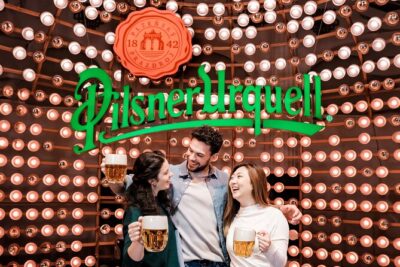 ★ 5.0Prague Pilsner Urquell Experience with 3 Free Beer TastingsFrom $29736 reviews
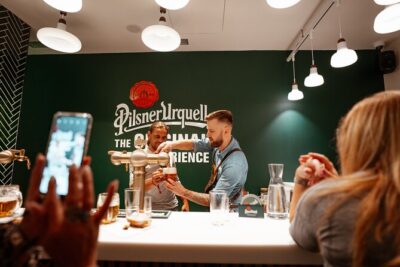 ★ 5.0Prague Beer Pouring Class at Pilsner UrquellFrom $52129 reviews
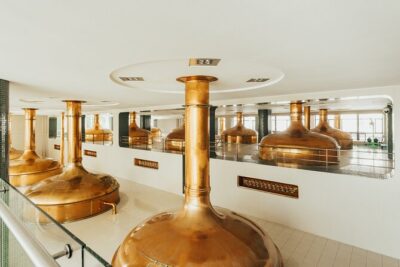 ★ 4.5Pilsner Urquell Brewery Tour with Beer TastingFrom $068 reviews
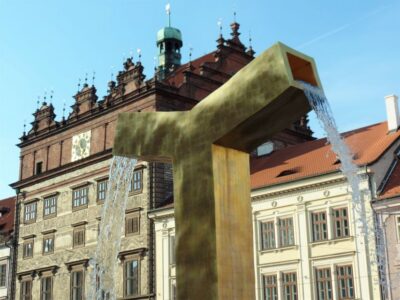 ★ 4.5Pilsen: Old Town Gastronomy TourFrom $3551 reviews
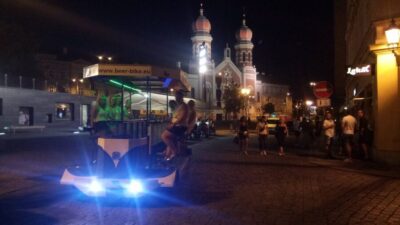 ★ 4.9Pilsen: Pub and Club CrawlFrom $7041 reviews
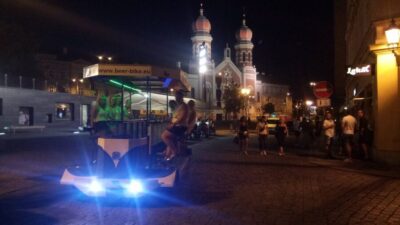 ★ 4.7Pilsen: 1.5-Hour Beer Bike with Unlimited BeerFrom $58738 reviews
Browse the lists this tour appears in