
REVIEW · JEWISH QUARTER & SYNAGOGUE TOURS
Prague: Jewish Town Walking Tour
Prague’s Jewish quarter holds its breath in your hands. This 3-hour walking tour gets you oriented fast, then slows down for places that survived centuries of upheaval, including the quarter that still stands as central Europe’s only existing Jewish town.
I really like two things here. First, you start at the Old Jewish Cemetery with tombstones reaching back to 1439, so the story has weight before you even reach the synagogues. Second, the stops feel thoughtfully chosen, from the Maisel, Spanish, and Pinkas Synagogues to the Old Town Hall area, so you see both sacred spaces and the civic heartbeat of the district.
One consideration: timing can matter around major Jewish holidays. In one case involving site closures and scheduling problems, the tour team handled it by arranging an alternative guide for a later slot, but you should still double-check your travel dates and stay flexible if something closes.
In This Review
- Key highlights you will feel on the walk
- Why this walking route works in Prague
- Old Jewish Cemetery, where the dates hit hardest
- Maiselova Street and Old Town Square, connecting old Prague to new directions
- Old-New Synagogue, medieval architecture with living context
- Maisel Synagogue, Spanish Synagogue, Pinkas Synagogue
- Old Town Hall, the civic layer of the Jewish quarter
- What the guide contribution really adds
- Price and value: is $73 worth it for 3 hours?
- How to plan your day: timing, footwear, and what to expect inside sites
- Who this tour is best for
- Should you book this Prague Jewish Town Walking Tour?
Key highlights you will feel on the walk
- Old Jewish Cemetery with tombstones dating to 1439, plus graves tied to major scholars
- Old-New Synagogue, built in early Gothic style around the middle of the 13th century
- Maiselova Street to Old Town Square, so the route links the quarter to Prague’s wider core
- Three named synagogues in one run (Maisel, Spanish, Pinkas), each with its own feel
- Entrance fees are included, with skip-the-ticket-line access to the scheduled sites
- Expert guide experience, with guides such as Jaroslava, Danuse D’Engile, and Helena noted for strong, respectful explanations
Why this walking route works in Prague
Jewish Prague can feel like a blur of names at first. Streets, squares, and synagogues pile up quickly, especially if you try to piece it together alone. What I like about this tour approach is that it gives you a straight path through the district, then anchors you with key sites that each explain a different piece of the puzzle.
The bigger idea is simple: you are not just sightseeing buildings. You are walking through a neighborhood that survived the Holocaust, so it carries meaning you do not get from a list of landmarks. When the guide talks you through what happened, the streets start to make sense. The city stops being a postcard, and becomes a place where history sits right on the sidewalk.
Also, Prague’s Old Town area is dense. A walking tour here is practical. You avoid the extra friction of coordinating multiple entrances and getting lost between corners. In three hours, you get a focused loop without turning the day into a nonstop sprint.
Old Jewish Cemetery, where the dates hit hardest
The walk begins at the Old Jewish Cemetery, established in the first half of the 15th century. The standout detail is the age of the oldest tombstone you will see, dating to 1439. That is early enough that it changes how you think about the neighborhood. You stop treating the district like a single era and start seeing it as a long, lived place.
Two names are worth knowing because the tour puts them in front of you. You will pay your respects at the grave of poet and scholar Avigdor Kara. The guide also directs your attention to the resting place of Liwa Ben Bazalel, better known as Rabbi Löw.
Here is why this stop matters for your experience. Cemeteries are emotional in a way museums rarely match, because you are witnessing memory, not interpretation. A good guide helps you read what you are seeing without forcing a single takeaway. Even if you think you know the basics, you will likely leave with a clearer sense of how scholars, writing, and community life connect to physical places.
Practical note: wear comfortable shoes. Cemetery ground can be uneven or tiring after you have already walked a bit in Prague. You do not want aching feet while trying to take in the atmosphere.
Maiselova Street and Old Town Square, connecting old Prague to new directions
After the cemetery, the tour moves into a more street-level rhythm. You will walk along Maiselova Street and head toward Old Town Square. This part is not just a transfer between sites. It helps you connect the Jewish quarter to the broader shape of Prague’s center.
If you have limited time in Prague, this is a smart use of walking. The guide can point out how the quarter fits into the city rather than sitting off on its own. You get context for the route you are about to cover next, and you will feel less like you are hopping from one isolated attraction to another.
This segment also gives you a chance to reset. After the cemetery’s weight, you are moving into the visual style of Prague’s main streets and squares. It is still meaningful, just less heavy minute by minute.
Old-New Synagogue, medieval architecture with living context
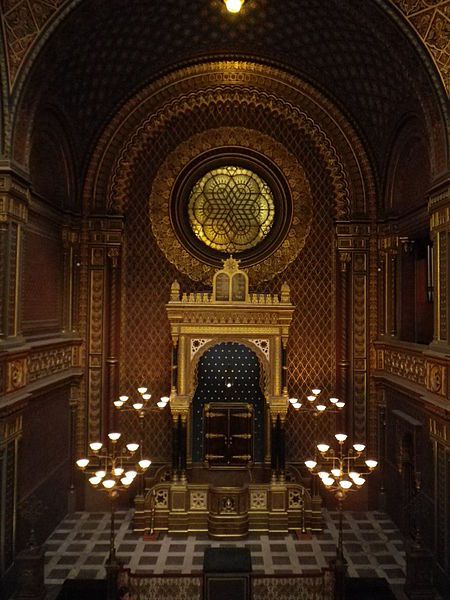
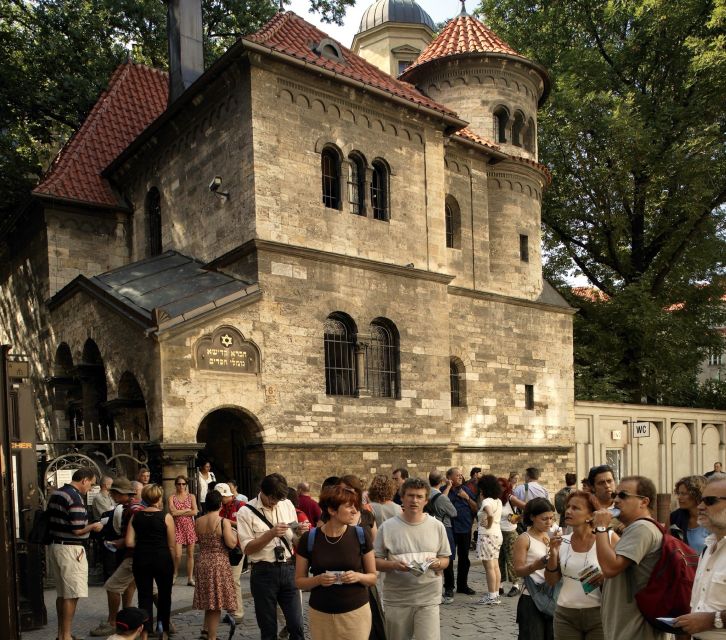
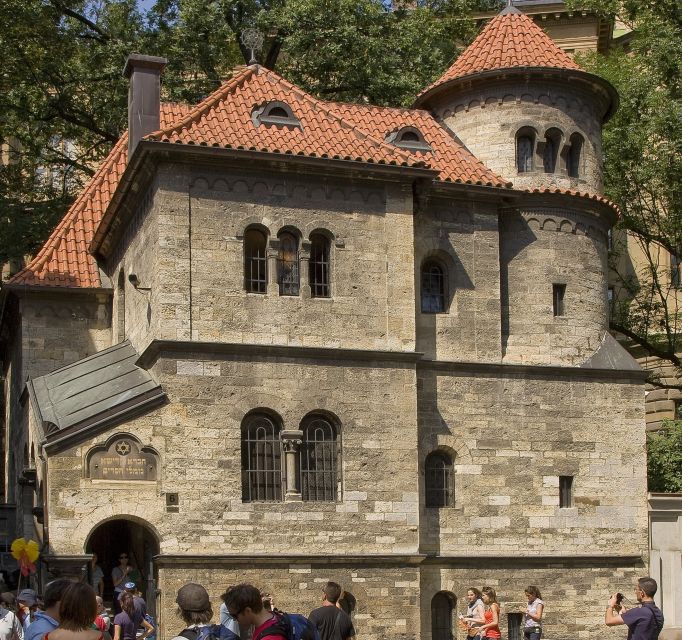
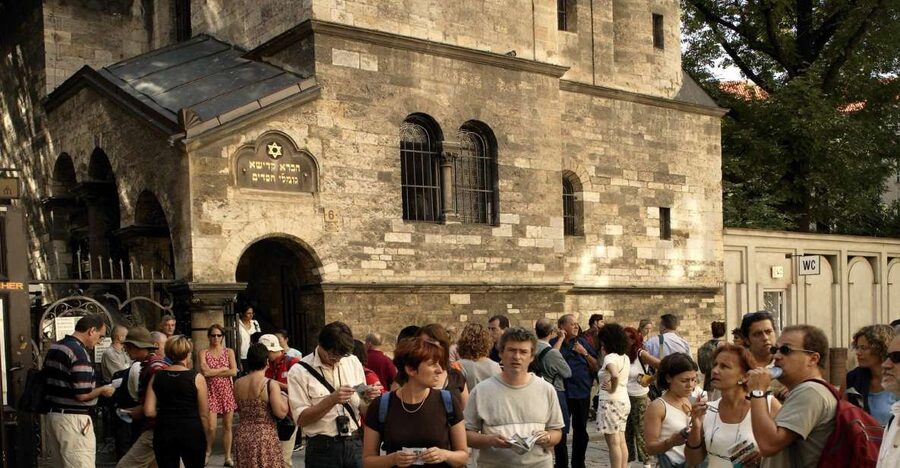
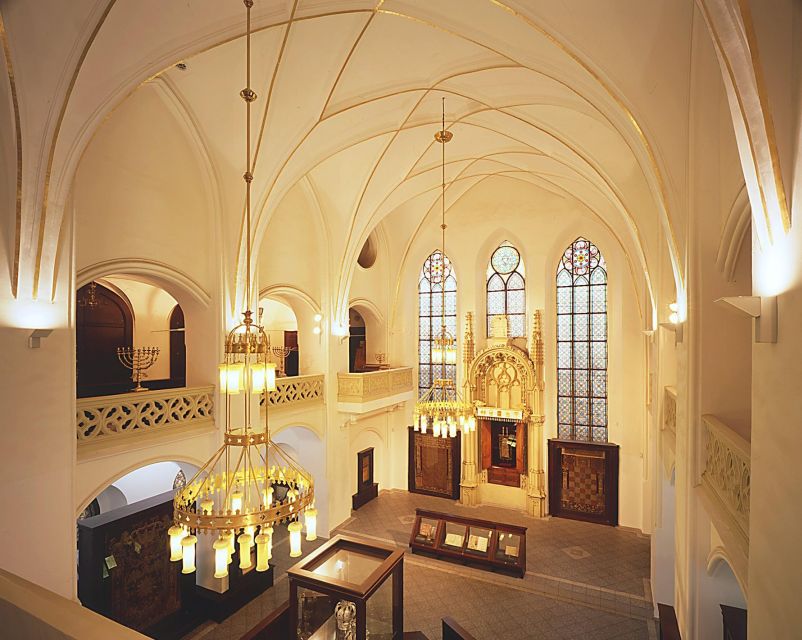
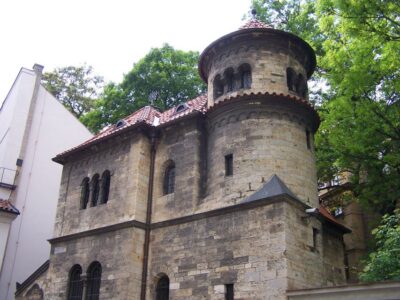
Next up is the Old-New Synagogue, built in early Gothic style around the middle of the 13th century. The tour highlights that the main hall is the only existing Medieval-type hall of its kind, which is a big deal for architecture lovers and history nerds alike.
But the value is not only the age. A place like this can turn into a “wow, old building” moment unless you have a guide who explains what the space meant to the community across time. With the right framing, the synagogue becomes more than a structure. It becomes a symbol of continuity, adapted over generations in a district that had to keep surviving.
I also like that the tour sequence places this stop after the cemetery. The tour quietly builds from remembrance to daily practice and community space. You end up with a more complete picture than if the buildings were treated as unrelated stops.
Maisel Synagogue, Spanish Synagogue, Pinkas Synagogue
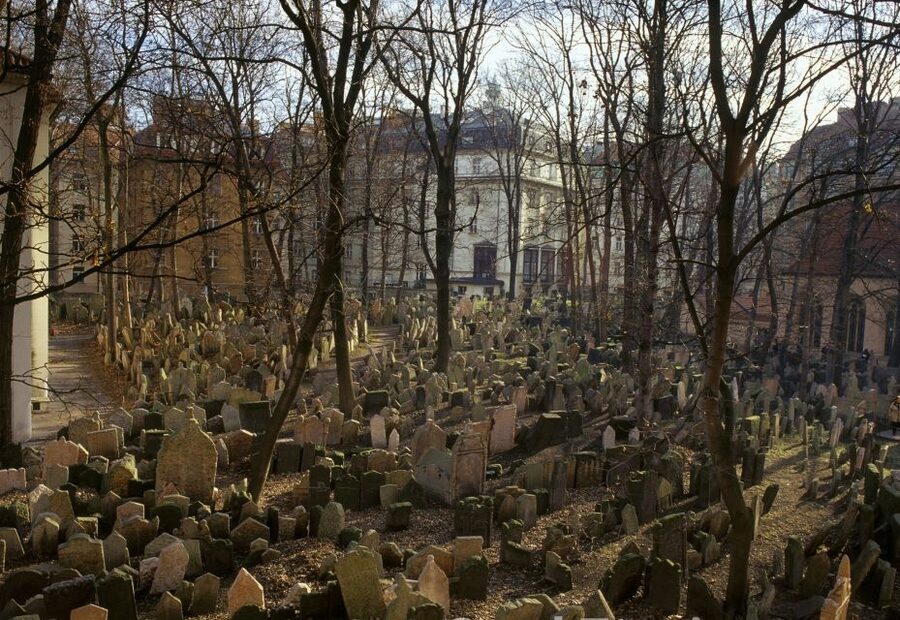
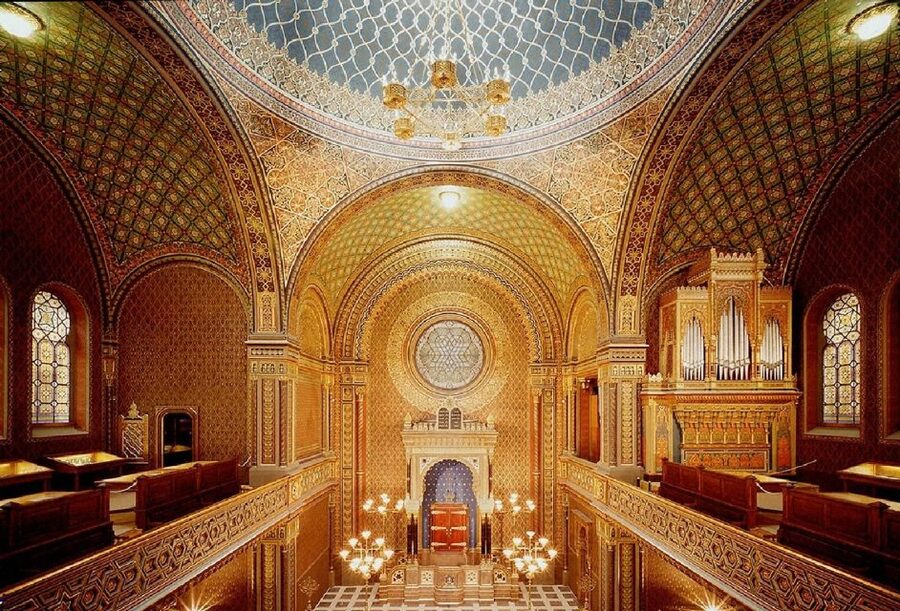
The tour then focuses on three named synagogues: Maisel, Spanish, and Pinkas. Each one is a chance to see how different traditions and community priorities show up in the spaces Jews used to gather.
Because the tour keeps you moving and groups these sites together, you get a strong comparison. You start noticing differences in layout, tone, and how each building communicates its role. That matters because Jewish Prague is not a single theme. It is multiple layers, traditions, and periods that overlap in the same small area.
Here is what to watch for on these visits. When you are inside historic religious sites, your brain tries to check off “what is the building” and forgets “what is the people’s story.” A good guide helps you do both. And from what I have seen in strong guides associated with this tour, like Jaroslava, the explanations tend to stay respectful and grounded, with enough detail to answer questions without turning the moment into a lecture.
If you are traveling with kids or friends who want structure, this set of synagogue stops is still a win. It is easy to follow: three stops you can remember, each tied to a name and a specific role in the quarter.
Old Town Hall, the civic layer of the Jewish quarter
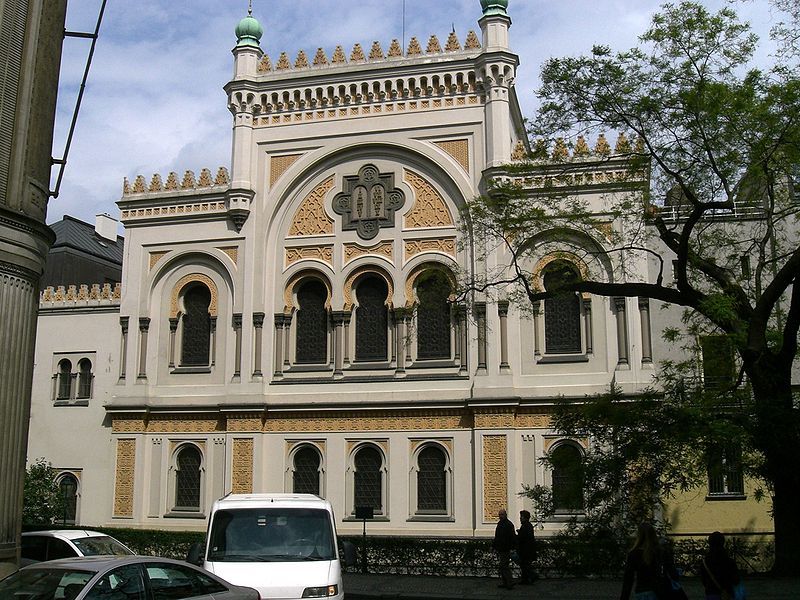
Your highlights also include wandering the ancient Old Town Hall. Even without the tour spending the same kind of time as it does in the synagogues, this stop adds something important: the Jewish quarter was not only religious. It was part of the city’s civic fabric.
Seeing the civic side helps you avoid a common mistake. In historic cities, it is easy to treat minority communities as background to the dominant narrative. A civic stop pulls you back into the reality that the district existed inside a city system, not outside it.
If you want a travel day that feels balanced, keep this in mind. The synagogues handle the spiritual and communal story. The Old Town Hall area helps you understand the broader place the community occupied in Prague.
What the guide contribution really adds
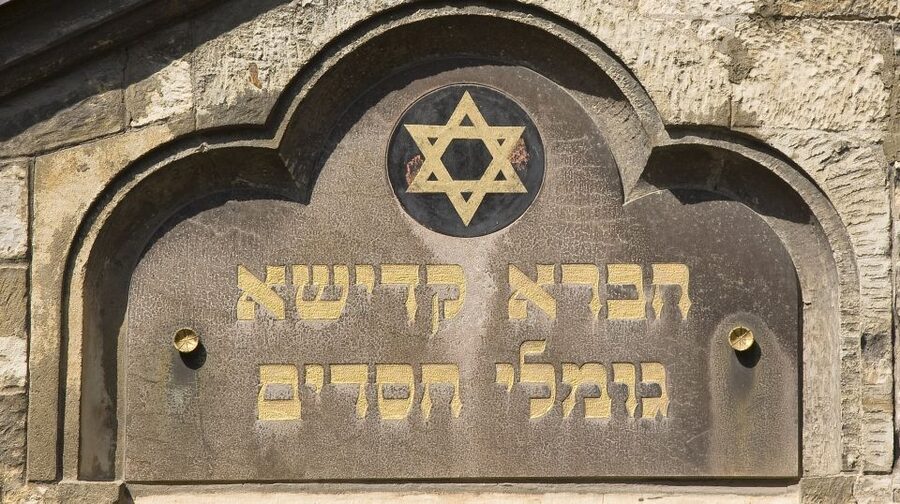
This kind of tour rises or falls on the guide. The tour includes a live tour guide and offers multiple languages including English, French, German, Italian, and Russian.
From what stands out about guide performance, people have highlighted strong background explanations and a respectful tone. Names that have been associated with high praise include Danuse D’Engile and Helena, who are noted for clear, heartfelt explanations of Jewish life and customs, not just dates and facts.
You do not need to be an expert on Judaism to get value. You just need someone who can translate complex history into a walk that makes sense. A good guide also gives you permission to ask questions, which is where you often get the most memorable answers.
One more practical reason the guide matters: the tour includes scheduled sites and entrance access. You are not wasting time figuring out which entrance to use, or how long each stop typically takes. That is part of the value.
Price and value: is $73 worth it for 3 hours?
At $73 per person for a 3-hour tour, the price can look steep until you break down what is actually included. Here, you are paying for an expert guide plus admission fees, and the tour also includes skip-the-ticket-line access to the scheduled sites.
If you tried to do this on your own, you would likely spend time coordinating multiple buildings and paying entry fees separately, plus dealing with the overhead of finding the right order. You would also lose the route logic that connects cemetery to synagogues to the civic area.
So the real value is not only the $73. It is that you get a guided sequence that saves time and reduces mental load. You walk in with questions you did not know you had, and you leave with a clearer understanding of how the district fits together.
Tips are not included in the price. If you like your guide, plan on budgeting extra.
How to plan your day: timing, footwear, and what to expect inside sites
A few details matter for comfort and flow.
- Meeting point: Please be at the Gray Line stand at least 15 minutes in advance, and bring your printed voucher to present at departure.
- What to bring: Comfortable shoes. This is a walking tour through historic areas, so comfort beats style.
- Not allowed: Pets.
- Languages: Live guide options include English, French, German, Italian, Russian.
Inside the synagogues and cemetery areas, expect a respectful atmosphere and careful pacing. You should also plan to move at a human pace. This is not a sprint tour where you glance at a door and move on.
If you are the type who likes to take photos, you will probably want to pace yourself too. Keep in mind that historic religious spaces may have their own rules for photography, and the guide can help you follow along.
Finally, keep a little flexibility in mind for your dates. Jewish holidays can affect site access, and at least one experience involving closures and scheduling issues led to an alternative guide arrangement later. Not every day will go sideways, but it is wise to confirm your plans rather than assuming every stop will run exactly the way you imagined.
Who this tour is best for
This is a strong fit if you want:
- a structured way to understand Prague’s Jewish quarter without turning it into a research project
- a route that links the Old Jewish Cemetery to the Maisel, Spanish, and Pinkas Synagogues, then to the civic layer near Old Town Hall
- an expert guide who can explain context in a respectful, grounded way
It is also a good choice if you are short on time. Three hours gives you meaningful coverage without eating your whole afternoon.
If you are the kind of traveler who loves quiet contemplation, the cemetery is your anchor stop. If you prefer architecture and place-specific meaning, the Old-New Synagogue will likely be a highlight.
Should you book this Prague Jewish Town Walking Tour?
I would book it if you want a guided, efficient, and emotionally grounded way to see the Jewish quarter. The combination of the Old Jewish Cemetery, multiple major synagogues, and the Old Town Hall area gives you a fuller view than a quick synagogue-only plan.
It is also a solid value for the money because the tour includes guide time, entrance fees, and skip-the-line access to the scheduled sites. Just plan ahead for the one known risk area: around major Jewish holidays, site access may change, so give yourself flexibility.
If you want a Prague walk where history feels real, not just read, this is one of the better bets in town.
Jewish Quarter & Synagogue Tours, compared.
 ★ 4.7Jewish Quarter Walking Tour with Admission TicketsFrom $763,729 reviews
 ★ 4.8Old Town and Jewish Quarter Guided Tour in GermanFrom $293,143 reviews
 ★ 4.6Old Town and Jewish Quarter Guided Walking TourFrom $222,847 reviews
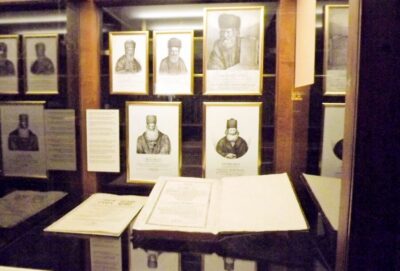 ★ 4.4Jewish Quarter Ticket with optional Audio GuideFrom $551,107 reviews
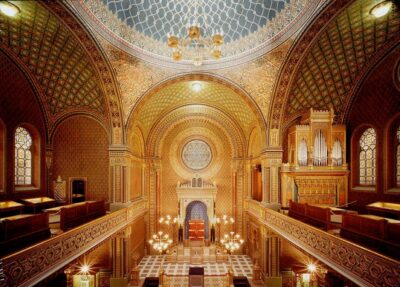 ★ 4.7Classical Concert in the Spanish SynagogueFrom $501,104 reviews
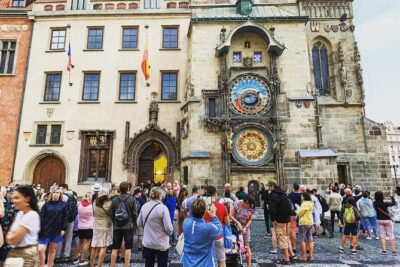 ★ 5.0Prague’s TOP Sights – Old Town, Jewish Quarter, Charles Bridge (Tip-based tour)From $3843 reviews
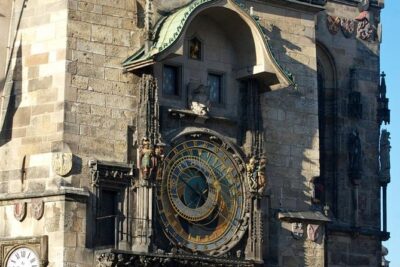 ★ 5.0Prague Old Town New Town and Jewish Quarter Morning TourFrom $32757 reviews
 ★ 4.2Old Town, Jewish Quarter & Astro Clock Walking TourFrom $22552 reviews
Browse the lists this tour appears in