
REVIEW · OLD TOWN & ASTRONOMICAL CLOCK TOURS
Prague: Plague Doctor Old Town History Walking Tour
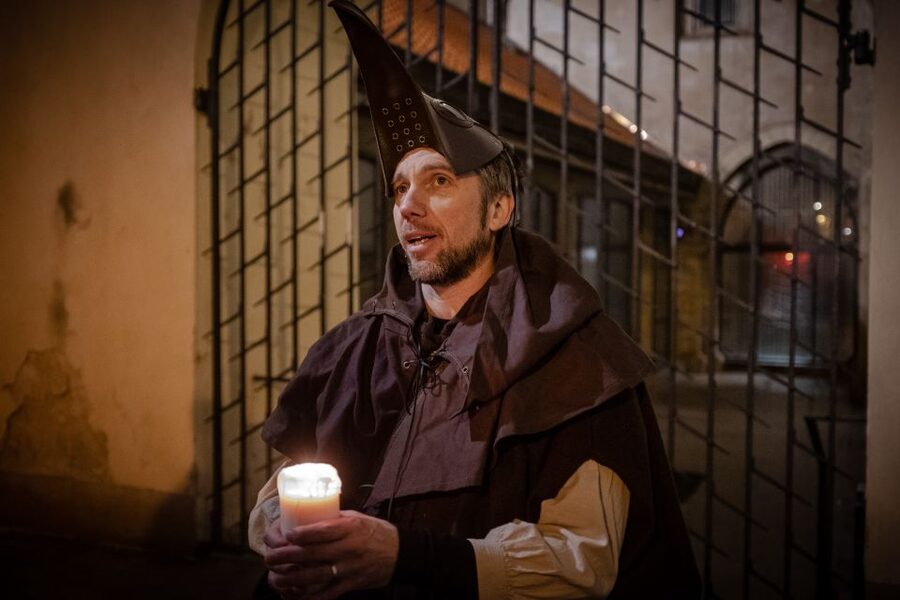
One step into plague history, and Prague feels different. This 90-minute Old Town walk uses a 1713 plague doctor guide to turn scary medical history into street-level storytelling, with stops like St. Francis Hospital and the Convent of St Agnes.
I love the mix of comedy and sensitivity in the delivery. Guides such as Oscar and David stay in character, answer questions, and keep the mood light without treating the subject like a joke. I also love the specificity, from the A. Schamsky story (a forgotten hero who fought the plague in 1713) to learning what kinds of PPE plague doctors used. A possible drawback: the theme is grim, so if you want purely cheerful sightseeing, this may feel heavy.
In This Review
- Key things that make this plague tour worth your time
- Meeting Your 1713 Plague Doctor at Seminářská
- Clementinum and Mariánské náměstí: Prague sets the stage
- Old Town Square and Josefov: how plague fear lived in daily streets
- Kafka’s Monument and the street-level way history sticks
- St. Francis Hospital and A. Schamsky’s 1713 fight
- The PPE lesson, plus the anti-plague pill candy moment
- Convent of St Agnes and finishing at Saint Castulus Church
- Price, pacing, and who this 90-minute walk fits best
- Should you book the Prague Plague Doctor Old Town History Tour?
- FAQ
- How long is the Prague Plague Doctor Old Town History Walking Tour?
- Where do I meet the guide?
- What’s included in the price?
- Is the tour offered in English?
- Will the tour run if it rains?
- Is hotel pickup and drop-off included?
- Is the tour wheelchair accessible?
Key things that make this plague tour worth your time
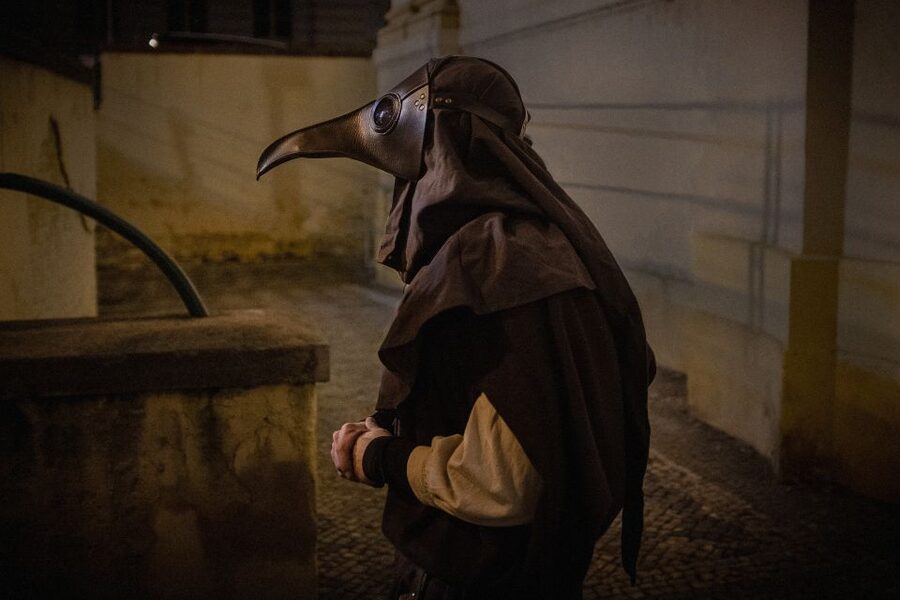
- A licensed plague doctor guide in 1713 dress, with an in-character approach and lots of audience interaction
- A. Schamsky, the 1713 hero, tied to real Prague locations along the route
- PPE explanations that explain what protection looked like when people did not understand germs the way we do now
- Anti-plague pill candy included, a small prop that makes the lesson stick
- Prize-winning storytelling reported again and again, often with humor and careful pacing (Oscar, David, Thomas, and others)
- A focused 90-minute route that still hits major stops like Clementinum and Old Town Square
Old Town listings, lane by lane
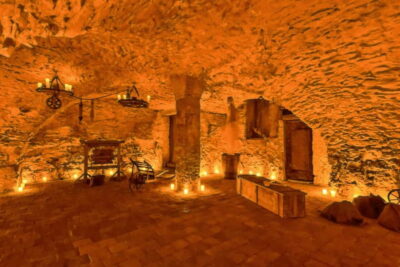
- Prague: Oldtown, Medieval Underground & Dungeon History Tour★ 4.2 · 8,244 reviews
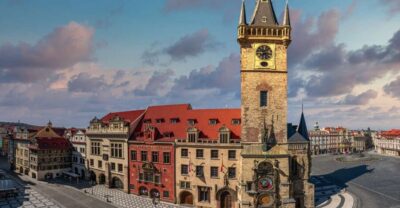
- Prague: Old Town Hall Tower Entry Ticket★ 4.5 · 6,749 reviews
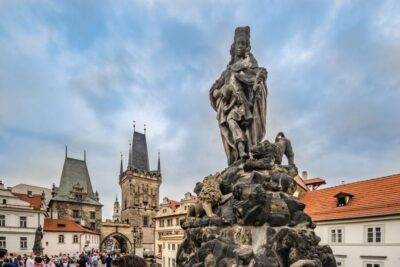
- Prague: 3-Hour Walking Tour of Old Town & Prague Castle★ 4.7 · 5,696 reviews
- Prague: 3-Hour Old Town and Prague Castle Tour in German★ 4.8 · 5,671 reviews
Meeting Your 1713 Plague Doctor at Seminářská
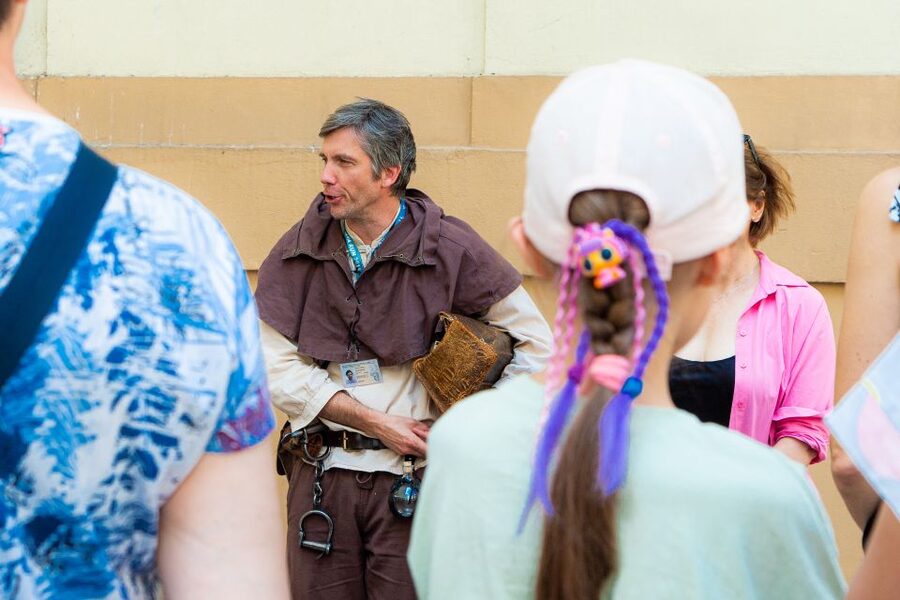
Your tour starts at Seminářská 175/2 in Staré Město. The rule is simple: look for your guide dressed as a plague doctor, then follow them from the first minutes onward.
This is one of those tours where the costume is not just for show. It acts like a living history tool. When the guide explains how doctors tried to protect themselves, you can actually see the logic of the outfit and how it shaped what people expected from medical help.
The pace matters here. At 90 minutes total, you are walking long enough to feel like you covered real ground, but not so long that you tune out. And since the tour runs rain or shine, you will want to dress for Czech weather rather than assuming bright conditions.
Clementinum and Mariánské náměstí: Prague sets the stage
Clementinum is the first sightseeing stop on the route. It is a big, unmistakable landmark in the Old Town area, and your guide uses these early minutes to get you thinking about how institutions and city life worked during plague years.
Next comes Mariánské náměstí, where the atmosphere shifts into classic Prague street beauty. This section of the walk is useful for two reasons. First, it gives your brain a place to settle into the city. Second, it creates a contrast, because plague stories often feel abstract until you see them placed on real streets.
One practical note: these early stops are short, around ten minutes each. So if you like asking lots of questions, be ready to do it while the group is moving or right as you stop. The best parts of the stories are the ones that connect what you are standing in front of to what life might have felt like.
Old Town Square and Josefov: how plague fear lived in daily streets
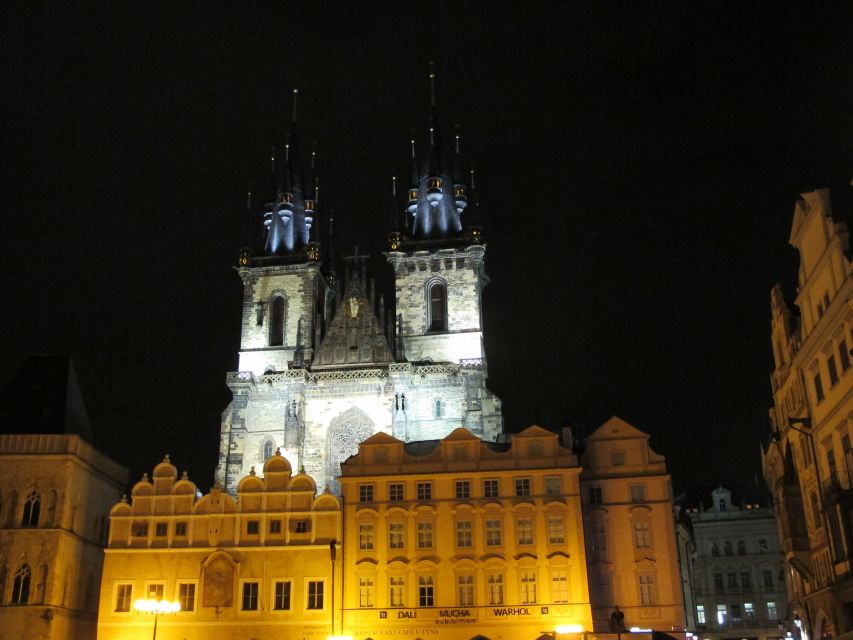
Old Town Square gets a stop on the route, and that is a smart choice. It is one of Prague’s most recognizable public spaces, so it helps you understand how an outbreak would have played out in a place where people naturally gathered.
Then you head into Josefov for a shorter segment. Even without going too far off the main tourist flow, the route helps you feel how a city neighborhood could be both ordinary and under threat at the same time. That tension is basically the whole point of a plague story: the disease did not arrive in a sealed-off world. It showed up in work routines, market rhythms, and everyday movement.
I also like that this tour does not treat the plague as distant medieval horror. The focus is on bubonic plague, and it connects plague doctor ideas and protective measures to a later historical moment in Prague, including 1713.
Further routes we laced boots for


Kafka’s Monument and the street-level way history sticks
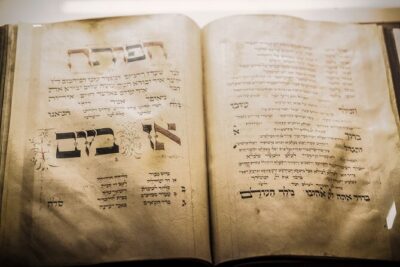
A quick stop at the Franz Kafka Monument adds a different flavor to the walk. You are moving between themes on purpose here. Plague history is heavy, and Prague is full of later layers too, so this helps you keep perspective as the story gets darker.
This is also where the guide’s personality really shows. In the feedback, multiple people praised guides like Thomas for comic timing and for building a group feeling where everyone stays involved. That matters because plague history can slide into a lecture. The best plague doctor tours avoid that by making you part of the storytelling, through questions and quick audience prompts.
If you are the type who likes a bit of humor, this is one of the best sections to enjoy it. The guide can shift the tone without losing the thread, and the route keeps your attention anchored in real places.
St. Francis Hospital and A. Schamsky’s 1713 fight
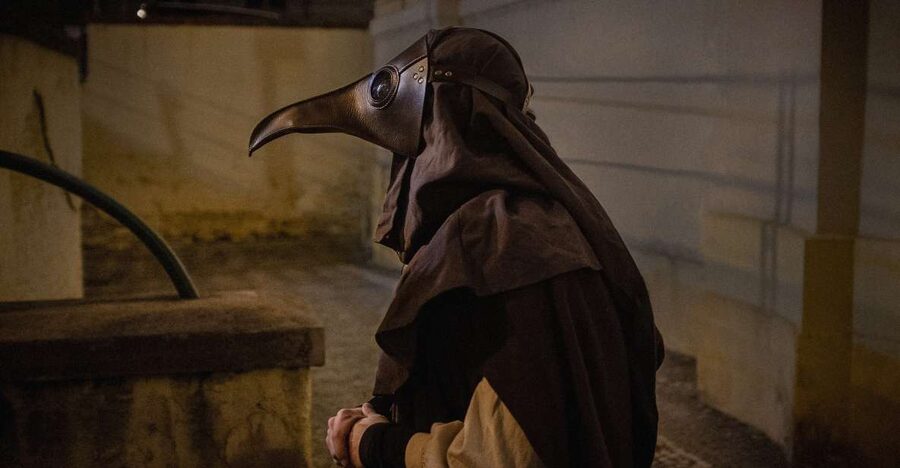
Na Františku Hospital, often referred to as St. Francis Hospital, is the most substantial “this is where people would have sought care” stop on the middle of the walk. It is a key location because hospitals are where we see the clash between fear and practical survival.
This is also where the tour’s 1713 storyline becomes especially important. The highlights promise the story of A. Schamsky, a forgotten 18th century hero who fought the plague in 1713. That detail is not just trivia. It gives you a name to hold onto, instead of thinking only about anonymous suffering.
At this point, your guide also starts connecting the big plague idea to what protection might have looked like in practice. Even when you know the headline facts, it is a different experience to hear how people tried to manage risk with the tools they had at the time.
One of the things I appreciate is that the tour seems built to let you ask questions. If you have ever wondered why medical practices looked the way they did before modern bacteriology, this is where the answers feel most relevant.
The PPE lesson, plus the anti-plague pill candy moment
A signature part of this experience is learning about the kinds of PPE plague doctors used. Your guide is dressed in plague doctor clothing from 1713, so the explanation does not float off into theory.
You get a hands-on feel for how the costume functioned as protective gear in the mindset of that era. The guide’s role also makes the whole thing easier to process, because you are not just listening. You are looking at the outfit and hearing the reasoning behind it.
There is an included prop moment too: an anti-plague pill candy. It sounds small, but that kind of playful “takeaway” works with a heavy topic. It gives your brain a simple physical anchor while the guide explains frightening realities.
Some people also mention that the tour uses extra props and visuals to make the explanations clearer. And because the guide often stays in character, the humor tends to land in a way that keeps you engaged without turning the plague into a theme park.
Convent of St Agnes and finishing at Saint Castulus Church
The Convent of St Agnes is one of the later stops, and it changes the tone again. It is a reminder that plague years shaped institutions, not just streets and hospitals.
From there, you end at Saint Castulus Church, after also visiting Saint Castulus Church as the finish point. Ending at a church makes sense for a plague tour because religious life was deeply connected to how people coped with fear. Even when medicine is the focus of a plague story, you cannot separate public life from faith, caretaking, and hope.
This ending section also tends to be a good time to ask final questions. The walking pace slows, you have the landmark in front of you, and the guide can wrap up the story with a clearer sense of what you learned and how to carry it forward.
If you like photos, keep an eye out for a photo moment at the end. Multiple people reported getting time to take pictures with their guide fully dressed.
Price, pacing, and who this 90-minute walk fits best
At $23 per person for a 90-minute Old Town history walking tour, the value comes from three things: you get a licensed guide in full plague doctor dress, you get a structured route through multiple major Old Town stops, and you get a clear theme that connects story, place, and medical ideas.
You are not paying for a long multi-day commitment or complicated logistics. You are paying for a focused experience that is easy to slot into a busy Prague itinerary, especially if you want a first introduction to the Old Town layout.
This tour also makes sense if you like storytelling. The strongest praise in the feedback centers on the guide’s performance, including humor and staying in character from start to finish. People also mention that the pacing feels comfortable and that the guide works to include everyone, even learning names.
Who should book it?
- You enjoy history that is specific and place-based, not just dates and names.
- You want plague history told with humor and Q and A, not just a nonstop lecture.
- You want a compact evening-style activity, since it is 90 minutes and covers central areas.
Who might skip it?
- If you strongly prefer upbeat topics only, the bubonic plague theme will be a tonal shift from classic Prague postcard routes.
- If you hate rain-weather walking, you should take the rain-or-shine rule seriously and dress accordingly.
Wheelchair accessibility is listed, so if you use a mobility aid, this is worth considering for your trip planning. Private groups are also available, which can be great if you want quieter discussion time.
Should you book the Prague Plague Doctor Old Town History Tour?
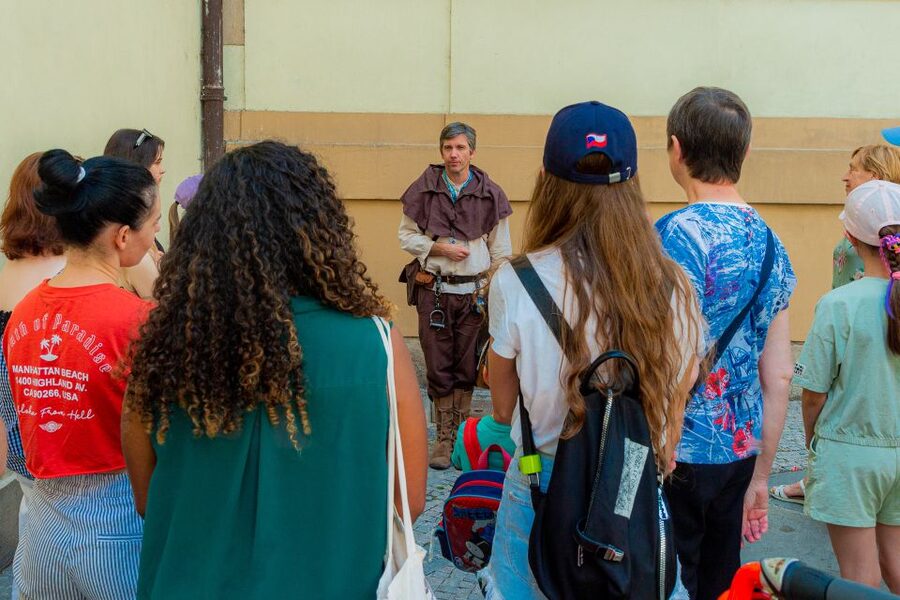
I think you should book this tour if you want Prague in a different key. It is not just sightseeing. It is a guided walk where the city’s landmarks become evidence for how people faced fear, illness, and limited medical understanding.
The big win is the character-driven delivery, with guides like Oscar and David earning repeated praise for being funny, in character, and responsive. The second win is the specificity: A. Schamsky’s 1713 story and the PPE explanations give the plague theme a grounded spine, instead of leaving it as spooky background noise.
Book it if you are curious and you enjoy a light laugh alongside heavy facts. Skip it if you need a strictly cheerful itinerary and cannot handle grim medical history.
FAQ
How long is the Prague Plague Doctor Old Town History Walking Tour?
The tour lasts 90 minutes.
Where do I meet the guide?
Meet at Seminářská 175/2, Staré Město, 110 00 Praha-Praha 1, Czechia. Look for your guide dressed as the plague doctor.
What’s included in the price?
A licensed guide in plague doctor dress, anti-plague pill (candy), and the walking tour.
Is the tour offered in English?
Yes. The tour guide speaks English and Czech.
Will the tour run if it rains?
Yes. The tour takes place rain or shine.
Is hotel pickup and drop-off included?
No. Hotel pickup and drop-off are not included.
Is the tour wheelchair accessible?
Yes, wheelchair accessibility is listed.
More Tours in Prague

More Tour Reviews in Prague

Old Town, Lane by Lane

Freshly written up in Prague
- World War II 4WD Tour from Prague with Lunch
★ 4.4 · 3 reviews - World War II History Tour of Prague’s Old Town
★ 5.0 · 3 reviews - Welcome to Prague – Private Tour with Licensed Guide
★ 5.0 · 3 reviews - Gourmet Brunch with Chef: Unlimited Drinks & Stunning River Views
★ 5.0 · 3 reviews - VIP Prague Segway Tour Around Monastic Breweries
★ 4.0 · 3 reviews
Old Town & Astronomical Clock Tours, compared.
 ★ 4.2Oldtown, Medieval Underground & Dungeon History TourFrom $308,244 reviews
 ★ 4.5Old Town Hall Tower Entry TicketFrom $216,749 reviews
 ★ 4.73-Hour Walking Tour of Old Town & Prague CastleFrom $305,696 reviews
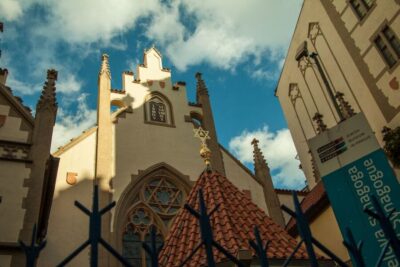 ★ 4.83-Hour Old Town and Prague Castle Tour in GermanFrom $365,671 reviews
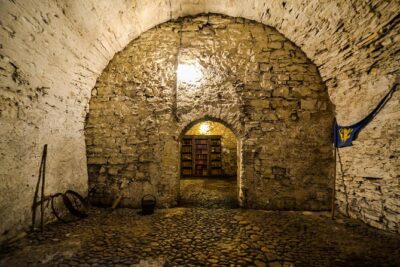 ★ 4.5Prague Old Town, Medieval Underground and Dungeon Historical TourFrom $323,227 reviews
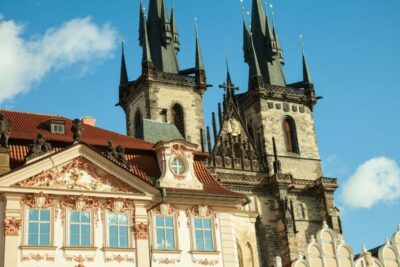 ★ 4.8Old Town and Jewish Quarter Guided Tour in GermanFrom $293,143 reviews
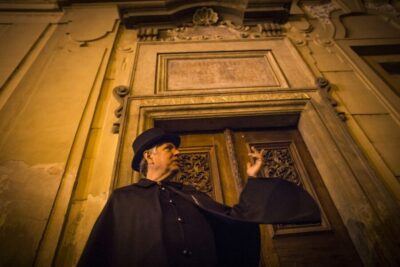 ★ 4.5Ghosts and Legends of the Old Town Evening TourFrom $213,091 reviews
 ★ 4.6Old Town and Jewish Quarter Guided Walking TourFrom $222,847 reviews
Browse the lists this tour appears in