
REVIEW · PRIVATE
Prague: Private Prague Art Nouveau and Cubism Tour
Prague has angles and flowers. This private tour ties Art Nouveau and Cubism into one story, starting at the rebuilt 1909 Central Station, so the city feels newly legible instead of just scenic. I especially like how the guide explains the why behind the style, not just the what.
I also like the pacing between big downtown landmarks and calmer modernist corners, with a Vyšehrad shift that changes the mood fast. One thing to consider: the walk plus transit can feel long if you prefer a shorter outing, since one later stretch may not suit everyone’s energy.
In This Review
- Key highlights you will actually care about
- From a 1909 station to modern Prague taste
- Meeting point and what to expect at the start
- The New Town stretch: Art Nouveau’s mindset in street form
- Prague Main Railway Station (guided, about 15 minutes)
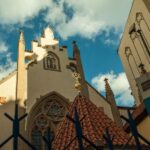
- Jubilee Synagogue (quick stop, about 5 minutes)
- Two short “notice this” breaks in between
- Municipal House (about 10 minutes)
- House of the Black Madonna (about 10 minutes)
- More brief pauses, then Wenceslas Square (about 20 minutes)
- Tram to Vyšehrad: where Cubism gets bolder
- Three Cubist Houses and the Vyšehrad triangle
- Short stops along the way
- Three Cubist Houses (about 5 minutes)
- Kovařovicova vila (about 5 minutes)
- Cubist house Vyšehrad 98 (about 5 minutes)
- The guides: clear stories, strong architecture reading
- How long is it, really, and who it suits
- Price and value: is $84 per person fair for this route?
- Should you book this Prague Art Nouveau and Cubism tour?
- FAQ
- Where do I meet the guide?
- Is there an alternate reference point at the station?
- What languages are the tours offered in?
- How long is the tour?
- Is public transportation included?
- Is the tour wheelchair accessible?
- What should I bring?
- Is the tour suitable for children?
- What is the overall focus of the tour?
- What is the cancellation policy?
Key highlights you will actually care about
- Starting at the rebuilt 1909 Central Station and using it as a timeline anchor
- Art Nouveau to Cubism as a cause-and-effect story you can follow in your head
- Downtown stops with “notice this” guidance, so you see details you would miss solo
- A short public transport ride to the Vyšehrad area, setting up the more daring Cubist zone
- Three Cubist Houses plus more Vyšehrad architecture, including Kovařovicova vila and a cubist house at Vyšehrad 98
- Private group with English or German guides and public transportation tickets included
Further solo-group bookings covering identical streets
- Prague Old Town: Private Tour★ 5.0 · 1,223 reviews
- Prague Airport Private Arrival Transfer★ 4.5 · 991 reviews
- Prague Airport Private Departure Transfer★ 4.5 · 780 reviews
- Discover Prague Private Tour – 3 hours★ 5.0 · 705 reviews
From a 1909 station to modern Prague taste
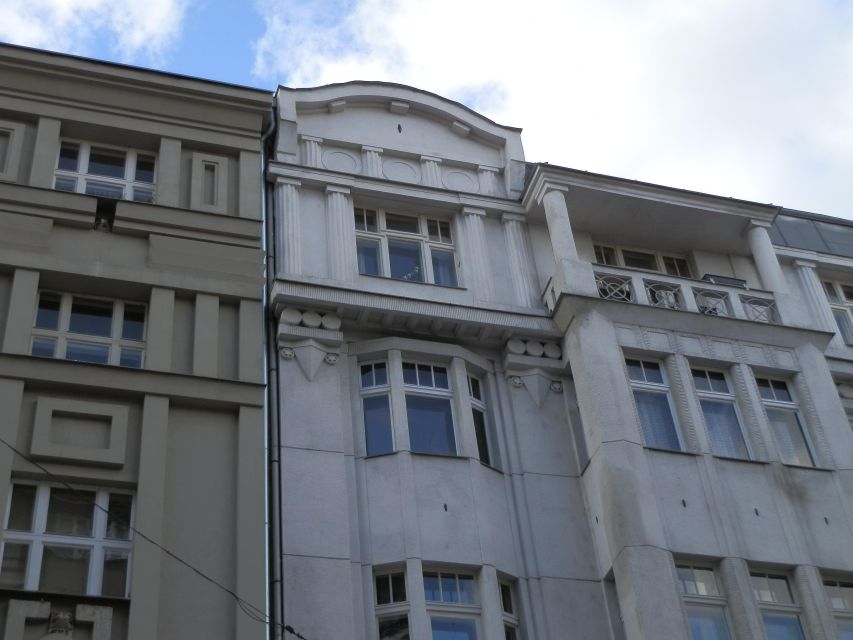
This is a one-day architecture tour with a focused mission: help you read Prague through the design swings of the early 1900s. You begin at the Central Train Station area, specifically around the rebuilt 1909 landmark, which gives your guide a clean “before and after” starting point.
What I like is that the tour does not treat styles like museum labels. You get an explanation of how Art Nouveau grew out of 19th century trends and why it was a real break from what people were used to. Then you get the follow-up: how Cubism grew as a revolt against Art Nouveau’s popularity, only to get interrupted by the major upheavals around World War I. That makes the timeline feel personal, like Prague’s streets are responding to what’s happening in the wider world.
If you have been to Prague before, you can use this tour to update your mental map. You will still pass familiar areas, but the guide keeps steering you toward less expected corners and the “why” behind what you are seeing.
Meeting point and what to expect at the start
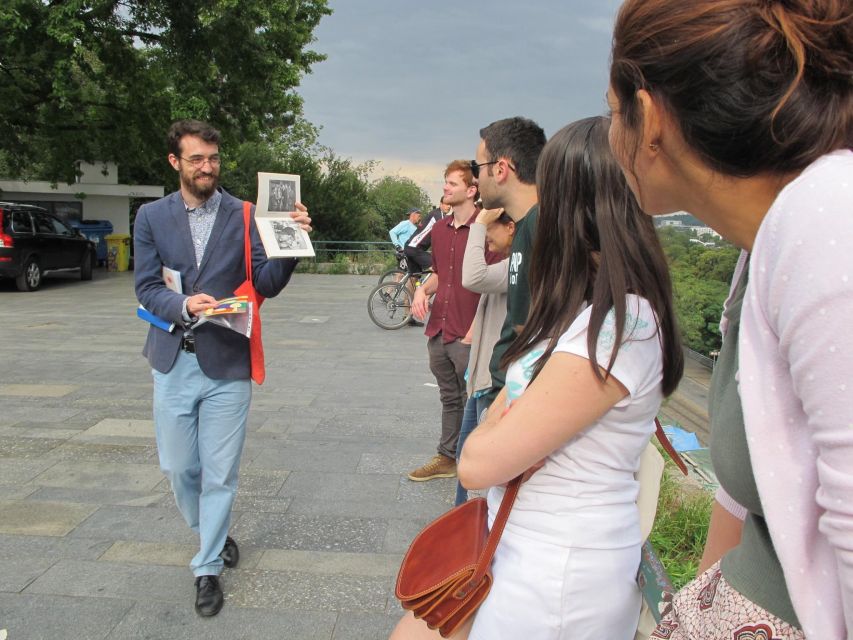
You meet at Prague’s Central Train Station, in the middle of Platform No. 1, and the guide will be carrying a red folder. A reference point near the station area is also given as a bankomat UniCredit Bank, which can help if you are arriving on foot and want a clear landmark.
The first guided segment is short, about 15 minutes, focused on getting the story rolling. You are not expected to arrive knowing terms like Art Nouveau or Cubism. The whole format is built for learning while you walk.
Practical tip: wear comfortable shoes. The tour is wheelchair accessible, but it still involves walking time, including transfers by public transit, so footwear matters.
The New Town stretch: Art Nouveau’s mindset in street form
After the opening at the station, you move on foot through Prague’s New Town. This is where the tour starts “teaching your eyes.” You are repeatedly asked to look at how buildings communicate ideas through shape and detail, and then the guide connects it back to the broader history.
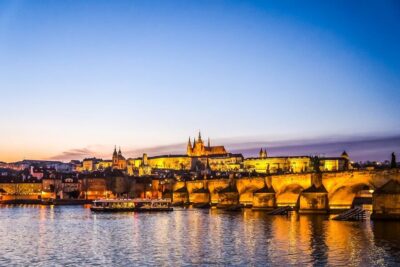

Prague Main Railway Station (guided, about 15 minutes)
This is your baseline. Your guide uses it to set up the early-20th century mood and to explain why Art Nouveau felt revolutionary at the time. Since you start right at the 1909 reconstructed setting, you are not jumping into the era from the middle. You get a timeline that makes later stops easier.
A nice bonus here is the way your guide frames what will come next. Once you hear the movement story, you start noticing the stylistic logic instead of only noticing the spectacle.
Jubilee Synagogue (quick stop, about 5 minutes)
You get a brief sightseeing pause at the Jubilee Synagogue. The value of a short stop is that it keeps you moving, but it still gives the guide space to tie local architecture into the broader cultural context of the 20th century that shaped Prague.
If you like tours where you learn to connect culture to design, not just stand in front of facades, this stop supports that goal.
Two short “notice this” breaks in between
Between the big anchors, you have a couple of brief “hidden detail” style stops, each around 5 minutes. These are the parts that usually pay off most on a repeat visit, because you are not spending your whole time at the most photographed spots.
I like these breaks because they train you to look down to the building level, where style shows itself. You also get a sense of how Prague blends eras instead of switching style like a light switch.
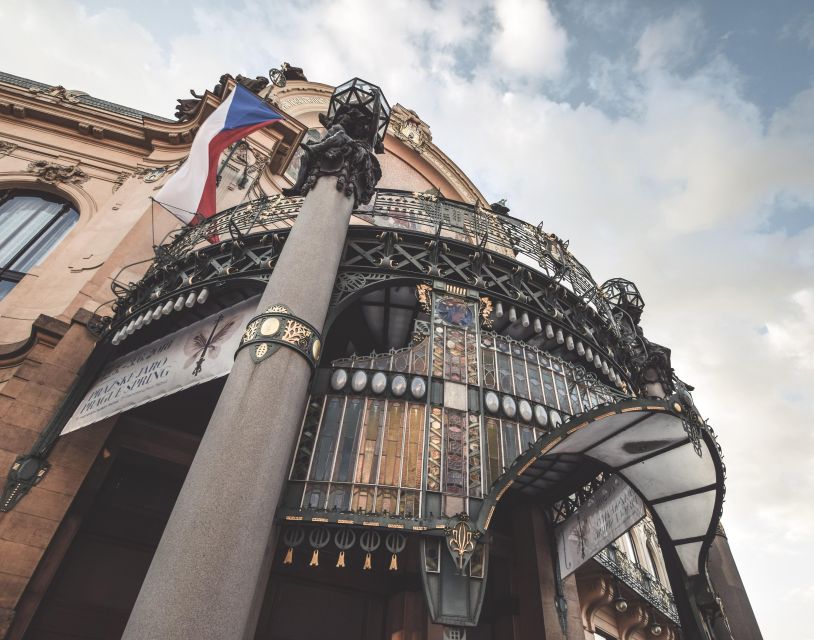
Municipal House (about 10 minutes)
Municipal House becomes one of the downtown pillars. Your guide uses it to explain the Belle Epoque design atmosphere and how Art Nouveau evolved from earlier 19th century ideas.
One practical way to use this stop: keep a quick mental checklist as you go. Ask yourself, how do lines and ornament behave? Do they look like they are simply decorating, or do they look like they are shaping how the building feels? Your guide’s narrative pushes you to think that way.
House of the Black Madonna (about 10 minutes)
Next you stop at the House of the Black Madonna. The key is not trying to memorize facts you were never going to retain in 10 minutes. Instead, treat it as another chapter in the same design timeline.
You will get the architecture story framed against the political and social changes that interrupted or redirected these movements. The tour keeps returning to the “why did style change?” question, which is what makes the route stick.
More brief pauses, then Wenceslas Square (about 20 minutes)
The last downtown push includes two additional short sightseeing stops before arriving at Wenceslas Square. Wenceslas Square is given a longer visit, about 20 minutes, so you can reset your bearings and absorb the city’s scale.
After all the explanation, this wider plaza segment can feel like a reward. You can look at the rhythm of streets and buildings at a distance, then bring that back down to details on the next stop.
Then the tour starts setting up the big shift in style and attitude.
Tram to Vyšehrad: where Cubism gets bolder
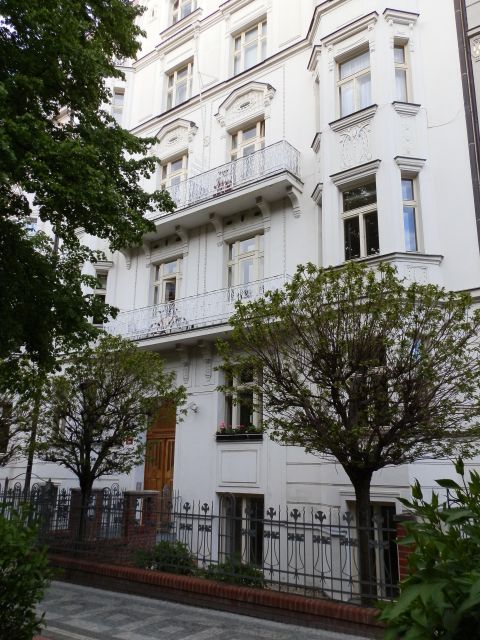
A short public transport ride takes you from the downtown area toward the more remote Vyšehrad side. The tour includes tickets for the return tram back to the downtown area, and a tram stop is conveniently located nearby at the end.
This matters because it keeps the journey from feeling like a marathon. Also, the move is more than logistical. The setting changes the atmosphere, so your brain can feel the transition from Belle Epoque Art Nouveau elegance to Cubism’s sharper, more rebellious visual language.
Three Cubist Houses and the Vyšehrad triangle
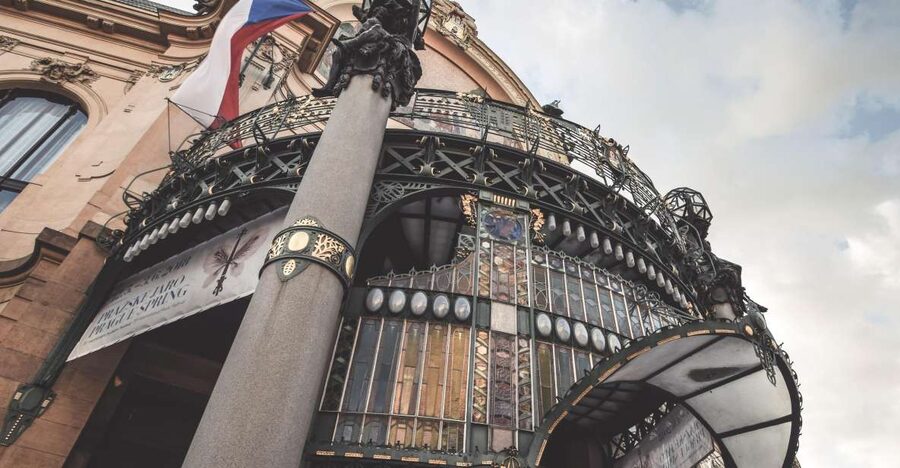
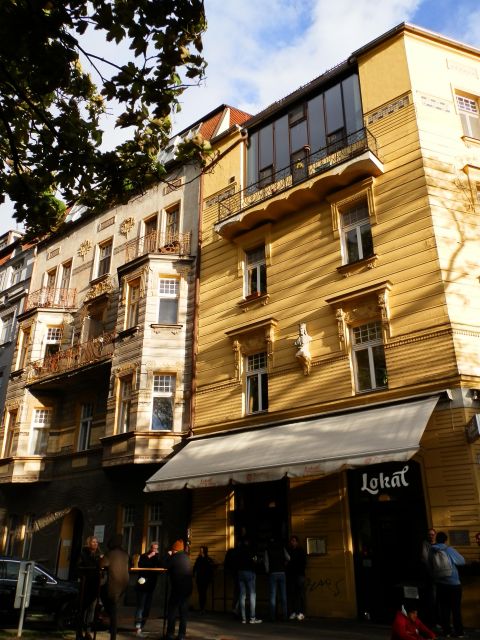
Once you are under the Vyšehrad fortress area, the tour leans hard into Cubism. This is where you see the architecture that fits the story of a revolt against the popular Art Nouveau style.
Short stops along the way
You have a couple of smaller sightseeing breaks in this zone, each about 5 minutes, with tram segments between. These pauses keep your attention from dropping and let the guide continue the “movement as conflict” narrative.
You are also learning something practical here: Cubism in Prague often feels like it is hiding in plain sight in the city’s layout. If you only did a straight line sightseeing route, you would likely miss how concentrated this style can be.
Three Cubist Houses (about 5 minutes)
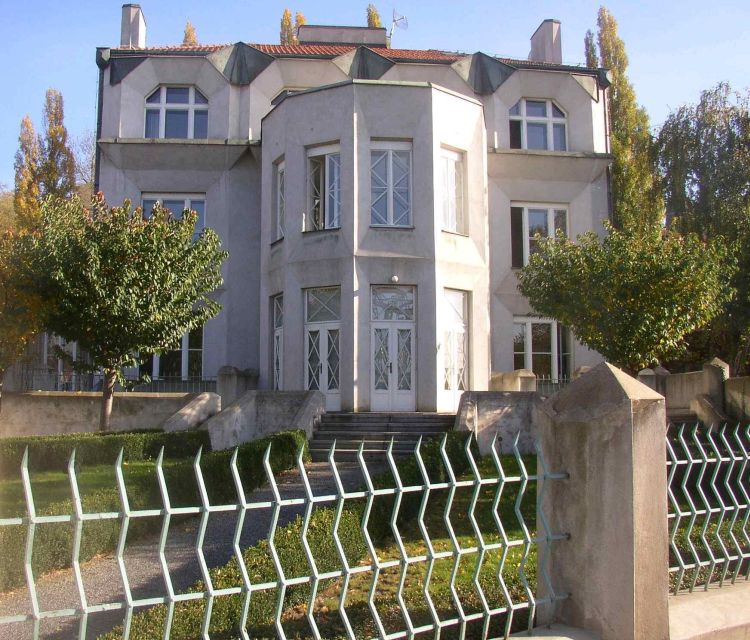
The Three Cubist Houses stop is a clear highlight, and it is short on purpose. In a short time you can compare what you see against the earlier Art Nouveau logic. You can feel the switch in how surfaces and angles communicate.
If you like photo moments, this is the place to take a breath and shoot from a couple of angles before you move on. The guide’s framing helps you understand why the compositions look the way they do.
Kovařovicova vila (about 5 minutes)
Then you continue to Kovařovicova vila. This stop reinforces the idea that Cubism was not just a theory. It showed up in real buildings and real streets, even when major events were changing the world around it.
This is the part of the tour where I think you will appreciate a private guide most. You can ask follow-up questions right then, instead of trying to remember them for later.
Cubist house Vyšehrad 98 (about 5 minutes)
The final architectural stop is the cubist house at Vyšehrad, number 98. This gives you a strong end cap to the Cubist section, and it brings the tour’s storyline toward its conclusion: these bold design experiments met a reality check as the 20th century shifted.
From there, you are near a tram stop to return to the downtown area. Tickets for the tram ride are included in the tour price, which is a simple but real value point.
The guides: clear stories, strong architecture reading
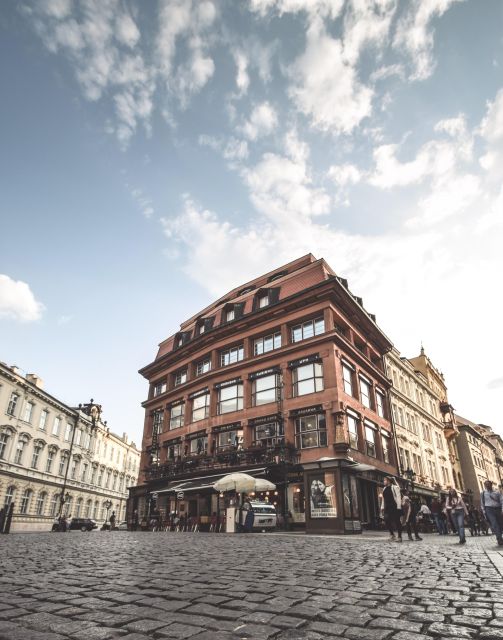
The big reason this tour scores well is how the guides tell the story. In the feedback shared for this experience, guides Max and Eva show up as clear examples.
Max, for example, is described as presenting Art Nouveau and Cubism architecture in a clear, compelling way, with answers to questions and even locations outside the busiest tourist areas. Eva is also highlighted for walking through lots of buildings while explaining the style differences in a way that felt educational, not just descriptive.
I think that is the real difference maker here. Prague is easy to enjoy, but it is also easy to look at buildings without understanding what changed and why. A good guide helps you stop treating architecture like wallpaper.
How long is it, really, and who it suits
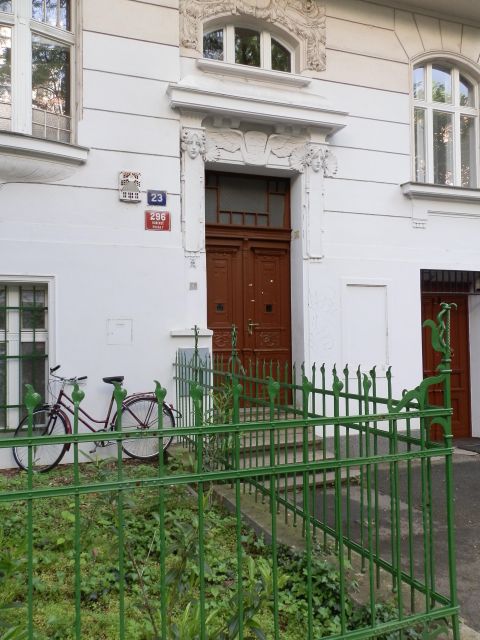
The tour is listed as 1 day, and the route uses walking plus public transport. One practical note from feedback: some people felt the tour was too long and thought the later part could be shortened. If you like tight, quick outings, bring that mindset. If you like a longer walk with multiple stops and narration, you will likely enjoy how the story layers up.
It is also marked not suitable for children under 12. That likely comes down to pacing and the level of architectural context the guide covers, so it is best for adults and older teens.
Price and value: is $84 per person fair for this route?
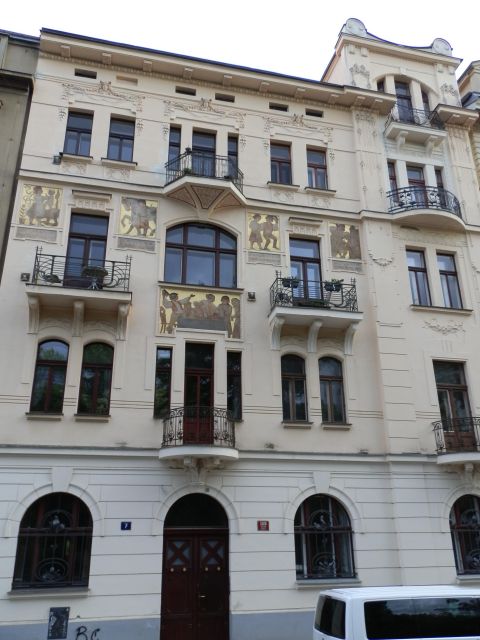
The price is $84 per person for a private tour, which is not a budget impulse buy. But you do get several value inputs that justify it if you care about design and context:
- A private guide with English or German narration
- A one-day route that links multiple architectural movements
- Public transportation tickets included for the tram segments
- A structured route that moves you from downtown into the Vyšehrad Cubist area without you planning it
Where it becomes less of a deal is if your goal is only to hit the most famous postcard shots. This is not built around maximizing the number of major sights. It is built around understanding a design era and seeing the specific places that match it.
Should you book this Prague Art Nouveau and Cubism tour?
Book it if:
- You already know the classic Prague highlights and want a more architectural, style-focused route
- You want the story of Art Nouveau evolving into Cubism, including how World War I disrupted the trajectory
- You like private guides who can explain what you are looking at and answer questions
- You are comfortable with walking and want a mix of downtown and Vyšehrad area viewpoints
Skip it or choose something else if:
- You want a short, casual stroll with minimal theory
- You prefer self-guided wandering with zero structure
- Your group includes children under 12
If you are a repeat Prague visitor, I think this is one of the better ways to feel like you are learning something new without changing your entire itinerary. The route is designed to make you look twice, then look deeper.
FAQ
Where do I meet the guide?
You meet on Prague’s Central Train Station, in the middle of Platform No. 1. The guide is carrying a red folder.
Is there an alternate reference point at the station?
The starting location is also referenced as the bankomat UniCredit Bank, which can help you find the meeting area.
What languages are the tours offered in?
The live tour guide is available in English and German.
How long is the tour?
It is listed as valid for 1 day. Starting times vary by availability.
Is public transportation included?
Yes. Public transportation tickets are included, and the tour uses tram segments, including a tram back near the end.
Is the tour wheelchair accessible?
Yes, the tour is wheelchair accessible.
What should I bring?
Wear comfortable shoes. The route involves walking.
Is the tour suitable for children?
No, it is not suitable for children under 12.
What is the overall focus of the tour?
The tour focuses on Prague’s Art Nouveau and Cubism, with explanations of how Art Nouveau evolved and how Cubism developed as a revolt, along with the impact of the changes around World War I.
What is the cancellation policy?
Free cancellation is available up to 24 hours in advance for a full refund. Reserve now and pay later is also offered.
Solo-Group Bookings in Prague


More Tours in Prague

More Tour Reviews in Prague

Freshly written up in Prague
- World War II 4WD Tour from Prague with Lunch
★ 4.4 · 3 reviews - World War II History Tour of Prague’s Old Town
★ 5.0 · 3 reviews - Welcome to Prague – Private Tour with Licensed Guide
★ 5.0 · 3 reviews - Gourmet Brunch with Chef: Unlimited Drinks & Stunning River Views
★ 5.0 · 3 reviews - VIP Prague Segway Tour Around Monastic Breweries
★ 4.0 · 3 reviews
Private, compared.
 ★ 5.0Prague Old Town: Private TourFrom $541,223 reviews
 ★ 5.0Discover Prague Private Tour – 3 hoursFrom $133705 reviews
 ★ 4.8City Highlights Private Walking TourFrom $210635 reviews
 ★ 4.8Shared Group/Private Segway Tour with Hotel TransferFrom $67574 reviews
 ★ 5.0Winter Charm of Prague – private tour with PERSONAL PRAGUE GUIDEFrom $113479 reviews
 ★ 5.0From Prague: Bohemian & Saxon Switzerland Semi Private TourFrom $157458 reviews
 ★ 5.0Best of Prague Private Walking Tour (Left and Right Riverbank)From $134431 reviews
 ★ 5.0Prague Bike City Tour with Small Group or Private OptionFrom $47355 reviews