
REVIEW · WALKING TOURS
Prague Renaissance & Baroque Gardens Walking Tour
Prague gardens feel different when someone explains them. This 3-hour Renaissance and Baroque Gardens walk takes you through Prague Castle grounds and two famous garden estates, ending with the option to visit Vrtbovská Garden for an extra fee. It is offered in English, with a maximum group size of 8, so you are not stuck listening to a headset the whole time.
I especially like two things here: the small group setup (your guide can adjust what you focus on), and the garden design details that turn a pretty stroll into real story. You get a professional scholar guide, plus plenty of time at each stop to look, read the sculptures, and understand why these places were built the way they were.
One thing to plan for: you will climb some steep stairs in Vrtbovská Garden. If stairs are an issue, you can wait for the group on a lower terrace while they come back in about 10 minutes, or you can ask about a private tour option to modify that part.
In This Review
- Key takeaways before you go
- From Malostranská to Prague Castle, with tram 22 in the mix
- Belvedere Summer Palace area and the Royal Garden vibe
- Fig House and Orangery, plus the tulip story that changes everything
- Wallenstein and the statues-and-fountains rhythm of power
- Queen Anna’s Summer Palace and the Ball Game Hall curiosity stop
- Vrtbovská Garden finale: UNESCO symbolism and steep terrace views
- Price, timing, and how this tour actually offers value
- Who should book this Prague Renaissance and Baroque Gardens walk
- Should you book this tour or skip it?
- FAQ
- How long is the Prague Renaissance and Baroque Gardens walking tour?
- What departure times are available?
- Where do I meet the guide?
- What is the maximum group size?
- Is the tour offered in English?
- Is Vrtbovská Garden included in the tour price?
- Do I need to pay for Prague Castle garden admissions?
- How difficult are the stairs during the tour?
- What is the cancellation policy?
Key takeaways before you go
Small-group format (max 8) means more Q and a slower pace where it matters.
Vrtbovská Garden is optional-pay (not included), but it is the big Baroque finale and the best city views.
Real garden “why it exists” stories at stops like Queen Anna’s Summer Palace and Wallenstein Garden.
Mythology connected to sculpture so statues and fountains stop being random decorations.
You start near Malostranská Metro and ride tram 22 up toward the castle area.
Steep stairs at Vrtbovská are the one physical challenge, and there is a practical workaround.
Further routes we laced boots for
- Prague: 3-Hour Walking Tour of Old Town & Prague Castle★ 4.7 · 5,696 reviews
- Prague: Ghost Walking Tour Where Legends Come To Life★ 4.4 · 5,253 reviews
- Prague: Jewish Quarter Walking Tour with Admission Tickets★ 4.7 · 3,729 reviews
- Prague Guided Walking Tour and Cruise with Authentic Czech Lunch★ 5.0 · 3,627 reviews
From Malostranská to Prague Castle, with tram 22 in the mix
This tour is built for a smart, timed route. You meet at Bagel Lounge Malostranská (Letenská 118/1, Prague 1-Malá Strana), near Malostranská Metro, then your group moves together toward Prague Castle. The plan includes taking tram 22, which helps you cover ground without turning the day into a long march.
Why I like this approach for you: the gardens are spread out, and Prague’s hills can eat your energy fast. Starting with transit means you arrive at the castle gardens ready to look. Also, the tour is only about 3 hours, so you are not stuck in a half-day “hike and hope” situation.
The guide is a professional scholar guide, and that matters because these gardens are not just pretty. They were designed to project power, taste, and identity. A good guide helps you notice the stuff you would otherwise walk past: symbolic sculptures, architecture choices, and the planned sightlines back to Prague.
One practical tip: bring a camera, but also keep one hand free. Between stairs, viewpoints, and the urge to read plaques, you will appreciate not juggling everything.
Belvedere Summer Palace area and the Royal Garden vibe
Once you reach the castle gardens, the tour works like a slow reveal. You begin around the Belvedere Summer Palace area of Prague Castle, then keep walking through the Royal Garden spaces. This section is often described as one of the most beautiful Renaissance gardens outside Italy, and even if you have seen a lot of European palaces, the layout here has a strong “you are meant to stroll” feel.
In plain terms, you are walking along garden edges where the architecture does not just sit in the background. The paths are set up so you naturally pause at key views, and you get a sense of the garden as a designed experience, not just land with plants.
You also pass places tied to the early Renaissance garden tradition on the castle grounds, including the Fig House and Orangery area. That is a theme you will keep seeing throughout the tour: the gardens are cultural statements. They show off what was rare, what was fashionable, and what mattered to the people in charge.
If you like photos, this is where you can get the classic angles, especially around the palace garden sections. If you prefer less posing, it is still worth it, because the guide will point out what to look for besides flowers and statues.
Fig House and Orangery, plus the tulip story that changes everything
The Fig House and the Orangery are more than charming names. This is where the tour turns botanical curiosity into history you can actually picture. The garden area is noted for being among the first places in central Europe where figs, almonds, oranges, and lemons were grown.
That detail does something useful for your visit. It changes how you look at the space. Instead of seeing random fruit trees or decorative plantings, you start imagining the logistics and ambition behind it. Someone had to plan climate, sourcing, and long-term care to keep these plants thriving.
Then there is the tulip angle. The guide walks you through how tulips were first brought to Prague. Even if you have heard “tulip mania” as a general phrase, hearing it connected to a specific Prague site makes it real. You stop thinking of tulips as a souvenir and start thinking of them as a status symbol and a sign that a city was plugged into wider European trends.
This stop is also a good example of why small groups matter. You are not rushed out of the garden to make a conveyor belt schedule. You can linger just long enough to absorb the stories and still keep good pacing for the rest of the tour.

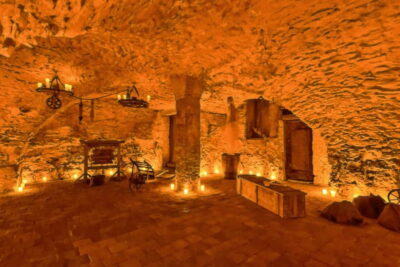

Wallenstein and the statues-and-fountains rhythm of power
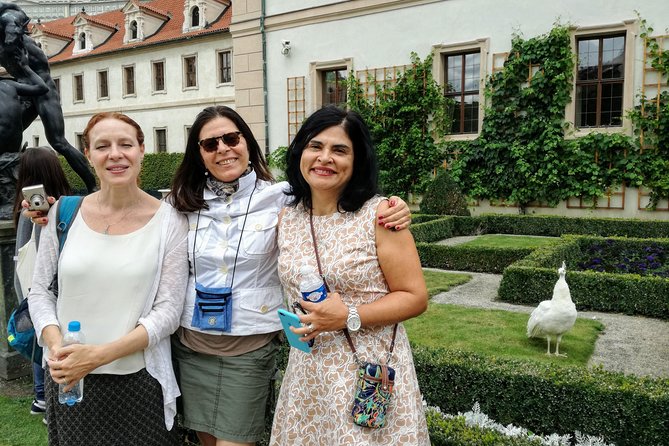
Next you move toward Wallenstein Garden and the larger surrounding garden spaces. This is where the tour leans into outdoor architecture and sculptural storytelling. Expect fountains, statues, and plenty of visual punch. If you like a garden that feels like it has a script, Wallenstein is that kind of place.
The details that make this stop worth your time are the things you can spot in a five-second glance once you know what to look for. One part of the charm is how the garden uses sculptural elements to reinforce ideas. In reviews, the guides are praised for connecting mythological references to specific pieces of sculpture, including how classical themes were selected for political messaging. That is not just trivia. It makes the statues feel intentional, not decorative filler.
You may also notice the peacocks, which add a slightly chaotic, very real-life layer to a carefully designed setting. They do not ruin the experience, they make it more human, like the garden is alive even when it is centuries old.
This is a good break from the crowd intensity you get around Prague’s most famous sights. The garden spaces can feel calmer, and the guided pace helps you appreciate the outdoor “room” feeling of these estates.
If you are someone who likes structure, this is your stop. The garden layout pushes you to move from view to view in a way that feels natural, not forced.
Queen Anna’s Summer Palace and the Ball Game Hall curiosity stop

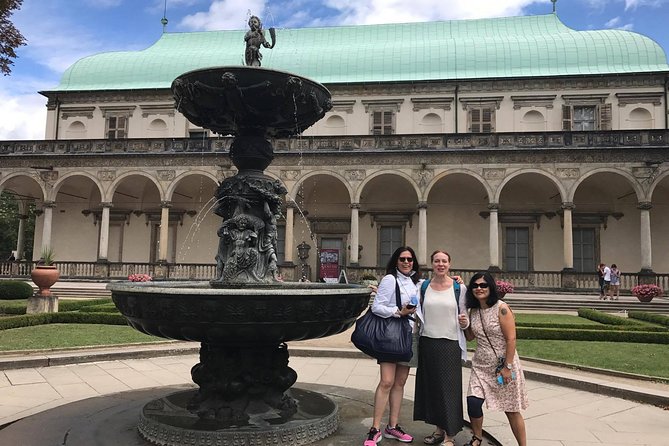
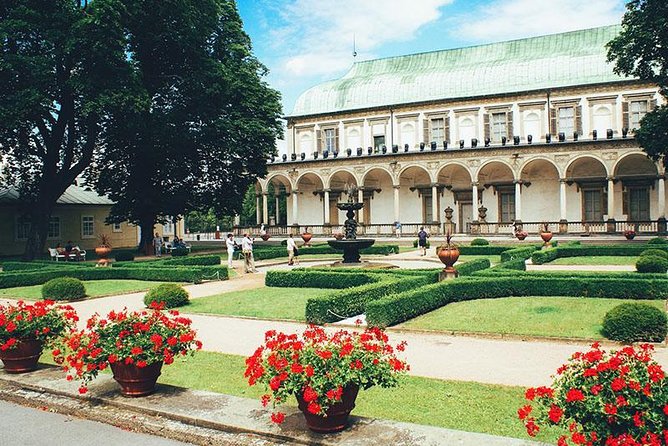
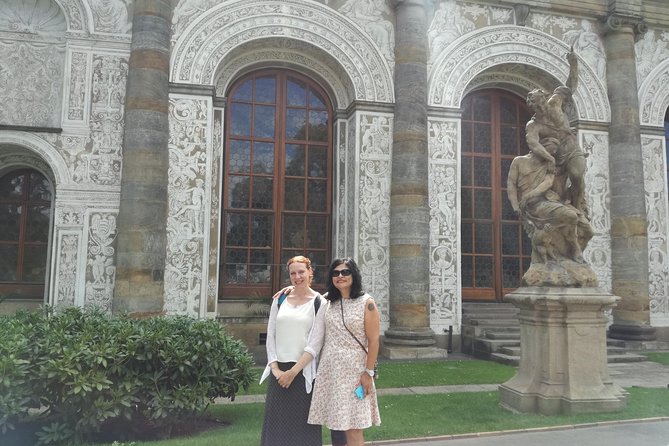
After the garden fountains and sculptural stops, the tour threads through the Royal Garden highlights at Prague Castle. Queen Anna’s Summer Palace is one of the standout Renaissance architectural moments. The building is described as the purest Renaissance architecture outside Italian territory, and the details on the exterior give you plenty to look at.
The palace is wrapped with an ornamental and figurative frieze. You will see Tuscan heads on the outer arcade pillars, plus wall reliefs showing scenes from mythology, hunting, and wars. One of the specific symbolic details the tour points out is a figure of the founder, Ferdinand I, with the Order of the Golden Fleece, offering Queen Anna a fig tree blossom. It is a very specific piece of visual storytelling, and the fact that the guide calls it out makes it land.
Then you get the Ball Game Hall in the Royal Garden area. This is a Renaissance building from the mid-1500s on the south side, above the Stag Moat. It started as a hall for ball games, and later it was used as a riding school and stables. I like this contrast because it reminds you these grand spaces often had practical jobs too, not just ceremonial ones.
Short visits, big payoffs. Both stops are brief, but they reward your attention.
Vrtbovská Garden finale: UNESCO symbolism and steep terrace views
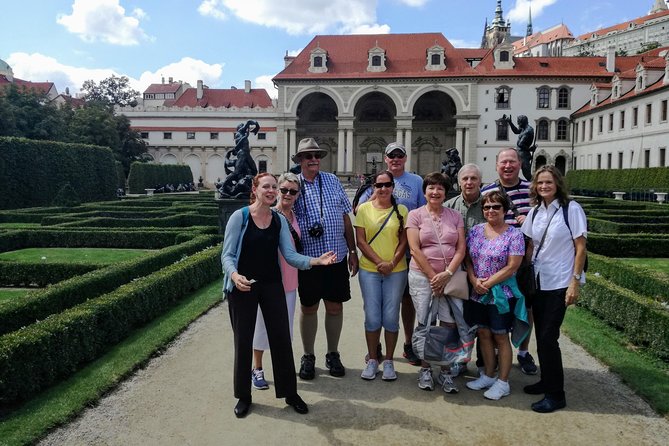
Your day typically ends with Vrtbovská Garden, a walled Baroque garden dating to about 1720. This is where the tour shifts from “walk and look” to “walk, climb, then get the payoff.” The garden is known for original statuary and sculptural decor from the early 1700s, along with symbolism tied to its historic cultural values recognized by UNESCO.
This stop is also your best chance to feel the city in the background. From within the garden, you catch glimpses of Prague’s cityscape and the Prague Castle views from the terraces. It is the kind of moment that makes all the earlier garden context feel worth it, because you can finally connect sculpture, architecture, and viewpoint into one experience.
Now for the only real caution: there are steep stairs to reach the highest terrace. The tour includes a practical fix. If you have issues climbing, you can wait for the group on the second terrace, and the group will come back in about 10 minutes. If you need more flexibility, the tour notes that a private tour can modify this part for you and your group.
Plan for comfortable shoes. This is not a sandalette day.
Price, timing, and how this tour actually offers value
At $126.03 per person for an approximately 3-hour small-group tour, the price is not low, but it is not random either. You are paying for three things that matter in Prague: a scholar guide, a tight route in a hard-to-navigate garden zone, and structured time in places that reward attention. The tour also caps at 8 travelers, which helps keep the pace human.
Timing is flexible. You can choose a 10am or 2pm departure time, which is helpful if you want to pair this with other castle-area sights later in the day. It is also offered in English, and you use a mobile ticket, which keeps the pre-tour hassle minimal.
About admissions and extra costs: the tour lists that Vrtbovská Garden admission is not included. It also lists a Prague Castle garden admission fee (CZK 90 adults, CZK 60 students and seniors). Some stops like Wallenstein Garden are listed as free, and other stops are also marked as free in the plan. The takeaway for your planning is simple: bring some Czech koruna or be ready for separate ticketing for specific garden areas, especially Vrtbovská.
For booking, note that this tour is often booked about 48 days in advance on average. If your dates are fixed, I would not wait until the last minute.
Who should book this Prague Renaissance and Baroque Gardens walk
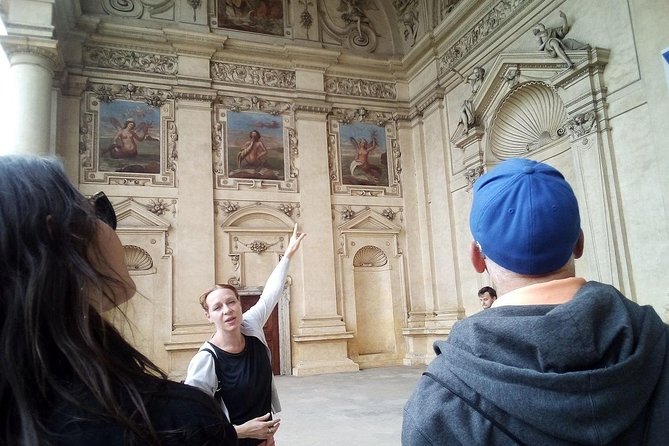
This tour fits best if you like gardens with a story attached. If you enjoy art details, sculpture symbolism, and architecture that has a message, you will probably rate this highly. The reviews highlight that the guide can tailor the walk to your interests, and that the focus is not just pretty plants.
It also works for both first-timers and repeat Prague visitors. Even if you have been to Prague Castle before, you can still leave with a new perspective because the tour pushes you to see garden design and myth references as political and cultural choices, not decorative leftovers.
It is also a solid option if you want a calmer experience. Gardens can offer a break from the heavy foot traffic you get at the biggest landmarks.
The one group that should think twice is anyone with limited mobility who struggles with stairs, since Vrtbovská has steep climbs. If that is you, use the terrace waiting option, or consider the private tour modification mentioned in the tour notes.
Should you book this tour or skip it?
I think you should book this tour if you want more than sightseeing photos. The combination of small group size, scholar guidance, and garden-specific explanations makes it a smart way to spend a half-day in Prague Castle country.
Skip it if you only want relaxed strolling with zero walking effort and no paid add-ons. Also skip if steep stairs are a dealbreaker and you cannot use the terrace workaround.
If you are a careful planner, bring comfy shoes, keep some money set aside for Vrtbovská Garden, and go in ready to look closely. You will leave with a better sense of why these gardens were built, not just that they look good.
FAQ
How long is the Prague Renaissance and Baroque Gardens walking tour?
The tour is about 3 hours.
What departure times are available?
You can choose between a 10am departure and a 2pm departure.
Where do I meet the guide?
The meeting point is Bagel Lounge Malostranská, Letenská 118/1, Prague 1-Malá Strana. It is also described as near Malostranská Metro station.
What is the maximum group size?
The group size is limited to a maximum of 8 travelers.
Is the tour offered in English?
Yes, the tour is offered in English.
Is Vrtbovská Garden included in the tour price?
No. Vrtbovská Garden admission is not included. The listed price is CZK 130 for individuals, and CZK 100 for students and seniors.
Do I need to pay for Prague Castle garden admissions?
The tour information lists a Prague Castle gardens admission fee: CZK 90 for individuals, and CZK 60 for students and seniors. Some stops are marked free, so you should expect that ticketing may vary by area.
How difficult are the stairs during the tour?
The tour involves climbing some steep stairs in Vrtbovská Garden. If you have issues climbing, you can wait for the group on the second terrace while they come back in about 10 minutes. A private tour option can modify this part.
What is the cancellation policy?
Free cancellation is available up to 24 hours in advance of the experience start time for a full refund.
Prague on Laced Boots





More Tours in Prague



More Tour Reviews in Prague


Freshly written up in Prague
- World War II 4WD Tour from Prague with Lunch
★ 4.4 · 3 reviews - World War II History Tour of Prague’s Old Town
★ 5.0 · 3 reviews - Welcome to Prague – Private Tour with Licensed Guide
★ 5.0 · 3 reviews - Gourmet Brunch with Chef: Unlimited Drinks & Stunning River Views
★ 5.0 · 3 reviews - VIP Prague Segway Tour Around Monastic Breweries
★ 4.0 · 3 reviews
Walking Tours, compared.
 ★ 4.73-Hour Walking Tour of Old Town & Prague CastleFrom $305,696 reviews
 ★ 4.4Ghost Walking Tour Where Legends Come To LifeFrom $275,253 reviews
 ★ 4.7Jewish Quarter Walking Tour with Admission TicketsFrom $763,729 reviews
 ★ 5.0Prague Guided Walking Tour and Cruise with Authentic Czech LunchFrom $1023,627 reviews
 ★ 4.6Old Town and Jewish Quarter Guided Walking TourFrom $222,847 reviews
 ★ 4.5Prague Ghost and Legend of Old Town Walking TourFrom $212,630 reviews
 ★ 5.0Prague 3-hour Afternoon Walking Tour including Prague CastleFrom $531,899 reviews
 ★ 4.7Ghosts and Legends Nighttime Guided Walking TourFrom $221,462 reviews
Browse the lists this tour appears in