
REVIEW · PRAGUE MUSEUMS & GALLERIES
Prague: Ticket to Audiovisual Light Art at Lumia Gallery
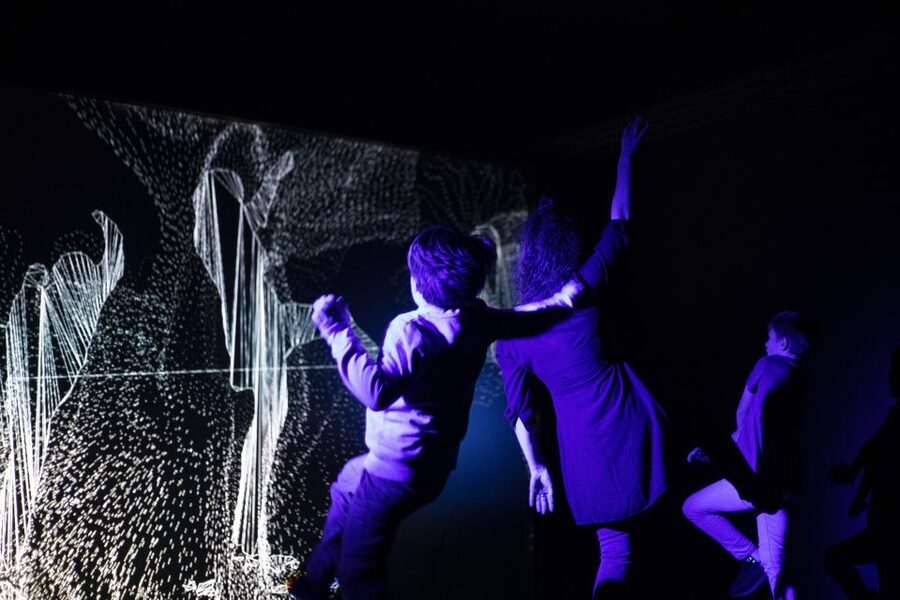
Light turns into play you can walk through. At Lumia Gallery in Prague, you step into an audiovisual world where digital images become something you can react to, not just watch. I especially like the interactive projections that make the room feel alive.
I also love the way the exhibition mixes big set pieces, like a mirror maze, with music-synced visuals and playful surprises. Even if you go with kids or a date night crowd, it’s the kind of place where everyone ends up experimenting with light and sound.
One thing to consider: the experience can feel limited in time and depth depending on how hands-on you want it to be. If you’re expecting a long, multi-room art museum crawl, plan for a shorter visit and choose a time slot when you can enjoy it at your own pace.
In This Review
- Key highlights to know before you go
- Lumia Gallery basics: what you’re actually buying
- The rooms and scenes: Mars, oceans, spacewalks, and more
- How interactive it really feels when you play with light
- The mirror maze and why it becomes the headline moment
- Sound, music, and visual effects that connect the senses
- How long it takes and how to plan your visit in Prague
- Price and value: is $17 worth it?
- Practical rules and comfort notes that matter
- Accessibility and who can comfortably enjoy the space
- Entrance experience: what to do on arrival
- Should you book Lumia Gallery in Prague?
- FAQ
- How long is the Lumia Gallery ticket valid?
- Where do I show my ticket?
- How accessible is Lumia Gallery for wheelchair users?
- Is this exhibition suitable for photosensitivity or epilepsy?
- Is it suitable for people with vertigo?
- Are food and drinks allowed inside?
Key highlights to know before you go
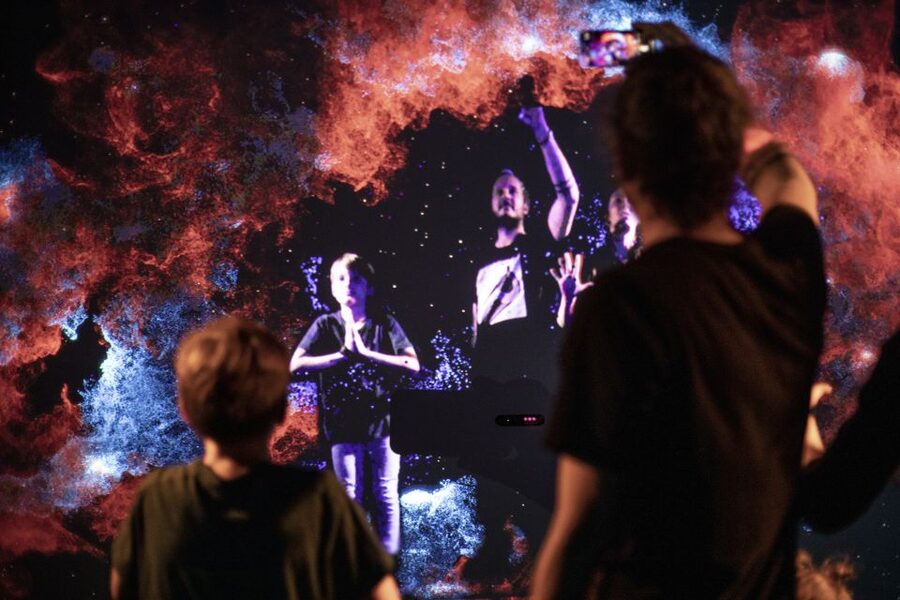
- Massive audiovisual space with a stated 1400 m² projection area
- Interactive projections that let you play with what’s happening on screen
- Mirror maze moments that many people remember as the main fun stop
- Sound-reactive scenes like light trees and visual representations of music or sound
- Big-format video and mapping styles, including videomapping and LED mapping
- Suitable for a range of ages, but not for everyone (see photosensitivity and vertigo notes)
Wet-weather picks, roofs included
- Prague: Museum of Fantastic Illusions Entry Ticket★ 4.3 · 4,337 reviews
- Prague: Madame Tussauds Entry Ticket★ 4.1 · 1,766 reviews
- IAM Illusion Art Museum Entry Ticket★ 4.2 · 1,664 reviews
- Prague: Museum of Senses Admission Ticket★ 4.0 · 1,445 reviews
Lumia Gallery basics: what you’re actually buying
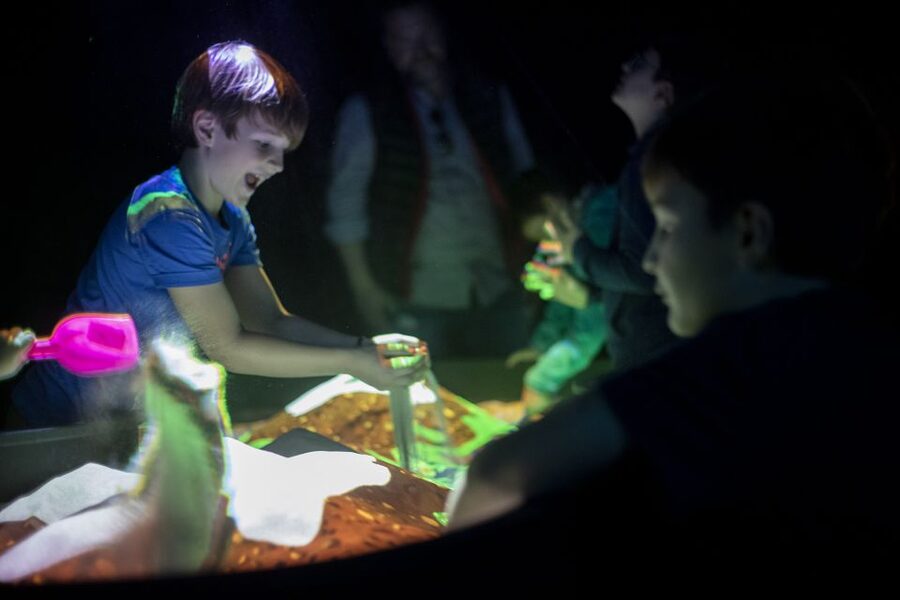
This ticket gets you into the Lumia Gallery interactive digital art exhibition. Think of it as a sequence of dark rooms and projection zones where large-format video, 3D effects, and light mapping are designed to be experienced with your whole body, not just your eyes.
The venue describes itself as the largest collection of audiovisual art in the Czech Republic, and the scale shows in how much projection space they dedicate to the visuals. You should expect a strong emphasis on atmosphere, motion, and “wow” factor, with interaction built into parts of the show.
Your ticket is valid for 2 months, and you’ll check availability to see starting times. Since you’re picking a time slot, it’s smart to plan it like an attraction, not like a quick in-and-out stop.
The rooms and scenes: Mars, oceans, spacewalks, and more
The exhibition is designed like a light labyrinth, with scenes that shift from one concept to the next. You move through experiences built around different visual themes, including large-format video projections and installations that can include 3D effects and light mapping.
Here are the kinds of moments you can look forward to:
- A simulated surface of Mars, built to feel like a place you could walk around in
- Visual environments like a dark ocean, focused on mood and movement rather than realism
- A spacewalk through the galaxy, where you’re watching motion that’s meant to feel immersive
- Pieces that use light and pattern to create cinematic effects, including formats described as kaleidoscopic cinema and mirror-maze experiences
They also mention concepts like a holographic projection of the eye and visual representation of sound. In plain terms, the show tries to translate audio and motion into images you can “read” while you’re inside the space.
If you like themed sets and short bursts of creativity, this format works well. Each zone gives you a new visual idea, so the overall experience stays fresh without needing a long explanation.
How interactive it really feels when you play with light
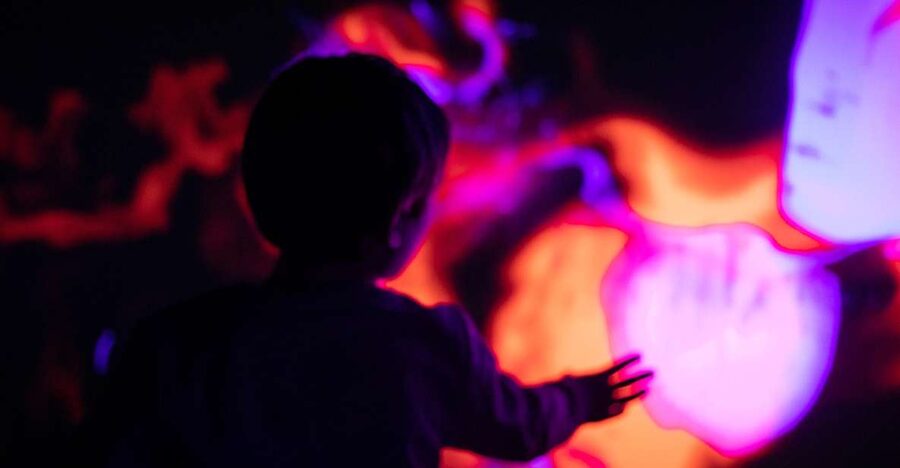
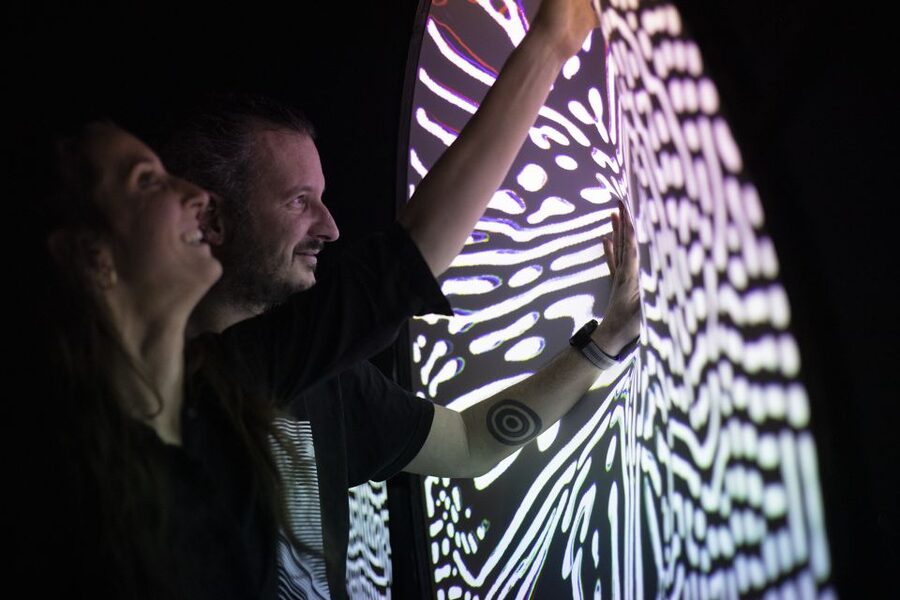
The core promise is that you don’t just view art, you play with the light. That comes through in the way the exhibition is described: interactive projections, video mapping, LED mapping, and rooms designed to respond to what visitors do in front of them.
This is where your expectations matter. Some parts are truly interactive, and you’ll likely find yourself testing how your movement affects what appears on the walls or screens. The overall experience is entertainment-forward, so the interaction is often about participation and reaction, not complicated controls.
That said, there’s also a note to keep in mind: not every installation may feel equally interactive, especially if you want deep, hands-on mechanics. The best way to enjoy it is to treat interaction as part of the fun, not a guaranteed “hands-on workshop” in every room.
One practical detail: you may end up taking lots of photos and short videos. The exhibition is built for visuals that look good on camera, and people often come out with a pocketful of images from the mirror-style and light-play areas.
Further turnstile admissions we bought



The mirror maze and why it becomes the headline moment
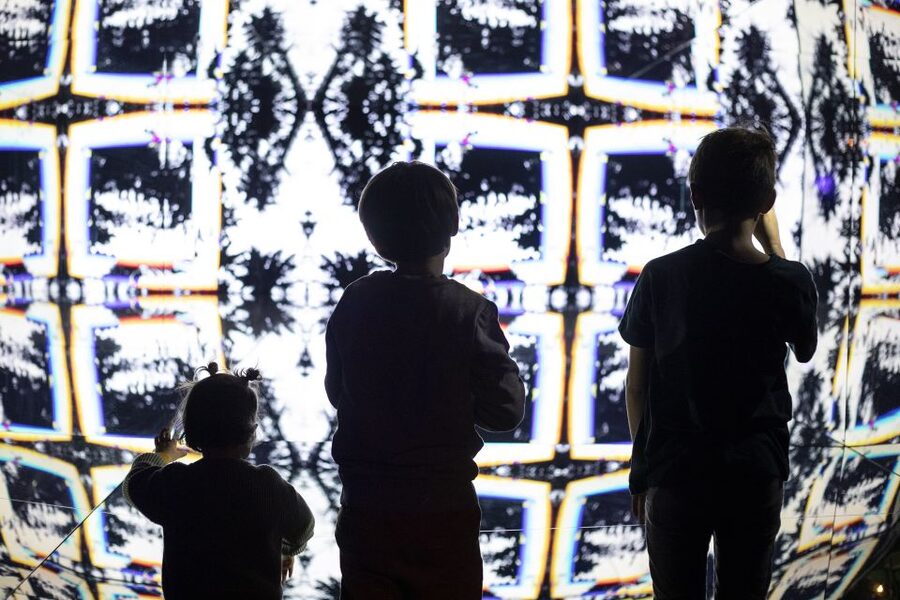
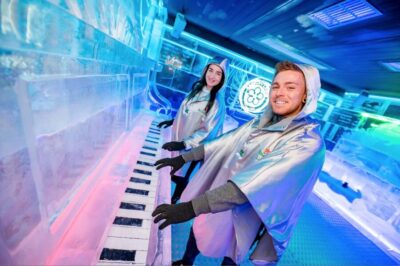
The mirror maze is a big deal here. It’s the kind of room that naturally creates a lot of laughter, experimentation, and instant photo ops because your appearance and your motion become part of the artwork.
In a show full of projections, the mirror maze works because it’s physical. You’re not only responding to light, you’re also navigating space, turning, and watching reflections distort and repeat the scene. It’s easy to see why people remember it.
If you don’t love crowded or fast-moving areas, aim to go at a quieter time. When the room is less busy, you get more chance to enjoy the visual effects without constantly waiting for the path to clear.
Sound, music, and visual effects that connect the senses
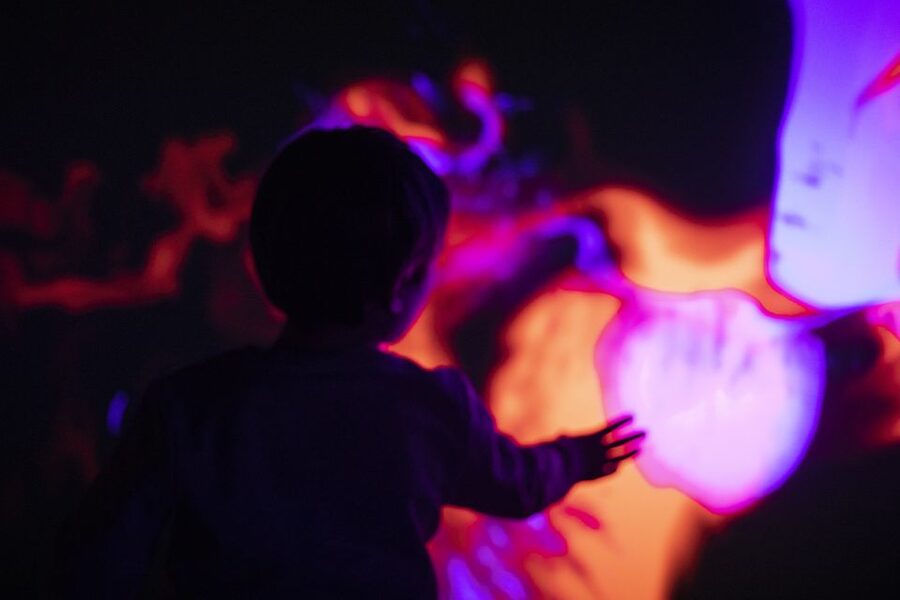
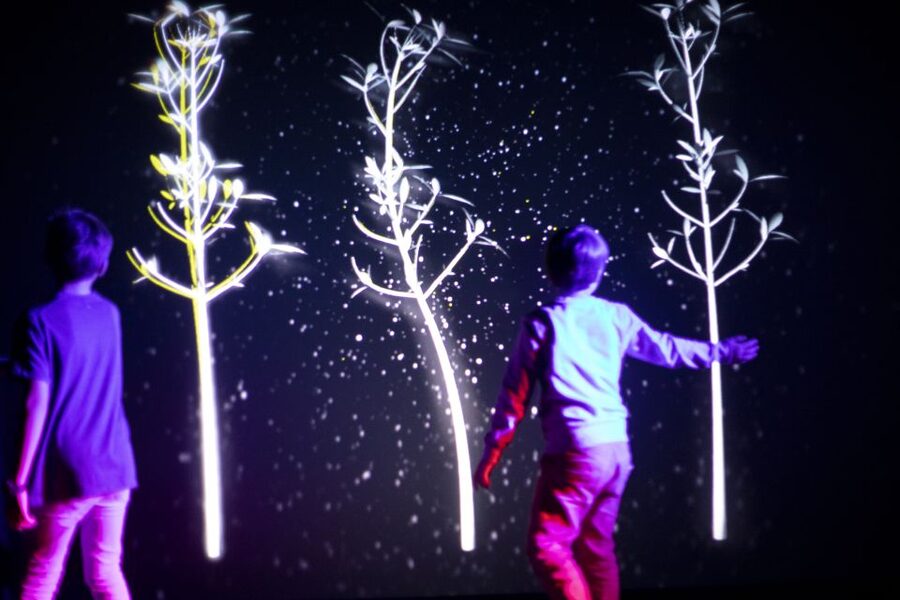
A lot of the exhibition is described as synchronised with music or built to connect sound and image. That shows up in examples like:
- Light trees animated with sound
- Visual representation of sound, where audio ideas get turned into imagery
- Projects tied to visual perception, including mentions of a holographic eye projection
Even if you’re not a “digital art expert,” this sensory approach makes the experience more than just screens. The show leans on timing, rhythm, and contrast, so the experience feels coordinated rather than random.
If you’re the type who likes concerts, immersive movie experiences, or interactive installations, the audio element will likely be part of why you enjoy it. If you’re sensitive to intense sensory input, take the safety notes seriously.
How long it takes and how to plan your visit in Prague
You can treat Lumia Gallery as a roughly 1.5-hour activity in many cases, though your pace will decide the final number. If you’re taking photos, re-entering rooms to compare effects, or trying the interactive bits multiple times, plan on more time.
Because you choose a starting time and the ticket is valid for two months, you can also plan around your trip rhythm. On rainy days, this works great since it’s an indoor attraction built for weather-proof fun.
A simple strategy that helps: arrive with enough time to not rush. The show has a “sequence” feel, so if you only have ten minutes to spare, you’ll miss transitions that are part of the artwork.
Price and value: is $17 worth it?
At $17 per person, this is priced like a major attraction rather than a museum ticket. The value comes from two places: scale and interaction.
You’re paying for:
- A large projection-heavy venue (the exhibition cites a 1400 m² projection area)
- A variety of scene themes (Mars, ocean visuals, galaxy motion, mirror-style play)
- Multiple audiovisual techniques (3D projects, videomapping, LED mapping, kaleidoscopic cinema style)
- The chance to take home photos and enjoy a hands-on feel (and possibly a small gift if your voucher is checked)
The overall rating sits around 4.4 out of 5 from hundreds of bookings. That doesn’t mean it’s perfect for everyone, but it’s a strong signal that the experience lands well for most people who want this kind of entertainment.
Where value can dip is if you want a long, deep art education experience. This is built to be fun and visually driven, so if you crave lots of text panels, historical context, or a museum-style pace, you might find it too short.
Practical rules and comfort notes that matter
The museum has some clear boundaries:
- Food and drinks are not allowed
- Alcohol and drugs are not allowed
So plan to eat before or after your visit, not during. It’s an attraction space, and the focus stays on light, sound, and clean sight lines.
Now the important safety notes:
- It is not suitable for people with photosensitivity and those with photosensitive epilepsy
- It is also not suitable for people with vertigo
If either of those applies to you, don’t gamble with it. Many of the effects are projection- and light-driven, and the museum explicitly flags these concerns for a reason.
Accessibility and who can comfortably enjoy the space
Good news for wheelchair users. The 2nd floor is fully wheelchair accessible, and wheelchair users can be transported to the 3rd floor by elevator upon request. That means the exhibition layout should not trap you on one level.
Also, the staff or greeter is available in English and Czech, which makes it easier to get oriented at check-in.
If you have mobility needs, it’s worth arriving a little earlier rather than right on top of your starting time, so you’re not rushing through the first rooms.
Entrance experience: what to do on arrival
Your meeting point is straightforward: show your ticket at the entrance to the Lumia Gallery. This is where you get checked in, and staff are described as friendly and helpful.
Once you’re inside, the “tour” is less like guided sightseeing and more like a path through environments. You’ll likely spend your time moving from one projection concept to the next, with interactive moments sprinkled throughout.
Some visitors also mention a small gift after voucher checks. You might want to keep an eye out when you arrive, but don’t count on it as the main reason to book, since the real goal is the art experience.
Should you book Lumia Gallery in Prague?
Book it if you want a fun, indoor, high-visual experience with interaction built in. It’s a strong choice for couples who like playful dates, families with kids who enjoy technology and light tricks, and anyone who’s curious about audiovisual digital art.
Skip it if you have photosensitivity, photosensitive epilepsy, or vertigo, since the exhibition is explicitly not suitable for those situations.
If you’re deciding between this and something else in Prague, remember what Lumia Gallery is best at: short, themed sensory rooms where you play with light and enjoy big projection effects. If that sounds like your kind of evening, the $17 ticket is a reasonable way to do something different without committing an entire day.
FAQ
How long is the Lumia Gallery ticket valid?
Your ticket is valid for 2 months. You’ll check availability to see starting times before you go.
Where do I show my ticket?
Show your ticket at the entrance to the Lumia Gallery.
How accessible is Lumia Gallery for wheelchair users?
The 2nd floor is fully wheelchair accessible. Wheelchair users can be transported to the 3rd floor by elevator upon request, and the 3rd floor is also wheelchair accessible.
Is this exhibition suitable for photosensitivity or epilepsy?
No. The exhibition is not suitable for people with photosensitivity and photosensitive epilepsy.
Is it suitable for people with vertigo?
No. It is not suitable for people with vertigo.
Are food and drinks allowed inside?
No. Food and drinks are not allowed, and alcohol and drugs are also not allowed.
Turnstile Admissions Worth It





More Tour Reviews in Prague


Roofed Options in Prague



Freshly written up in Prague
- World War II 4WD Tour from Prague with Lunch
★ 4.4 · 3 reviews - World War II History Tour of Prague’s Old Town
★ 5.0 · 3 reviews - Welcome to Prague – Private Tour with Licensed Guide
★ 5.0 · 3 reviews - Gourmet Brunch with Chef: Unlimited Drinks & Stunning River Views
★ 5.0 · 3 reviews - VIP Prague Segway Tour Around Monastic Breweries
★ 4.0 · 3 reviews
Prague Museums & Galleries, compared.
 ★ 4.3Museum of Fantastic Illusions Entry TicketFrom $174,337 reviews
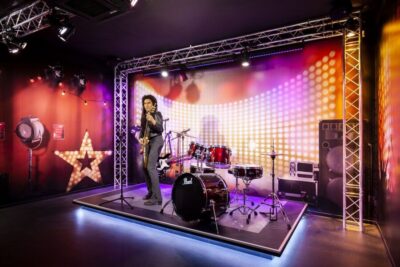 ★ 4.1Madame Tussauds Entry TicketFrom $171,766 reviews
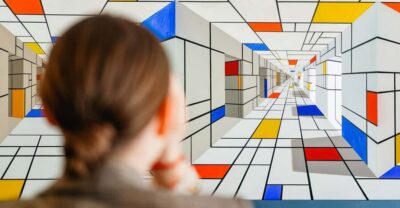 ★ 4.2IAM Illusion Art Museum Entry TicketFrom $161,664 reviews
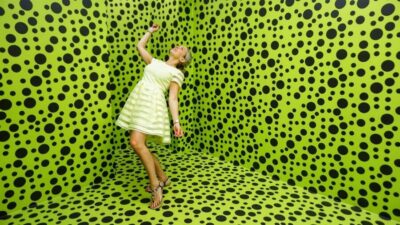 ★ 4.0Museum of Senses Admission TicketFrom $181,445 reviews
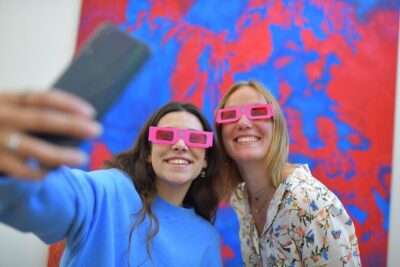 ★ 5.0IAM Illusion Art Museum Prague Fast Pass TicketFrom $13957 reviews
 ★ 4.2Papilonia Butterfly HouseFrom $9917 reviews
 ★ 4.5Admission Ticket to Museum of Senses in PragueFrom $19861 reviews
 ★ 4.2Museum of Bricks Entry TicketFrom $14851 reviews
Browse the lists this tour appears in