
REVIEW · OLD TOWN & ASTRONOMICAL CLOCK TOURS
Prague: Tyn Church Classical Music Concert
A church concert hits different in Prague. This one pairs Týn Church in Old Town with a top lineup and a program packed with familiar names. Expect strings from the Prague Philharmonic plus three acclaimed soloists, all inside one of the city’s most atmospheric music rooms.
I especially like the sheer mix of styles, from baroque showpieces to Mozart and Beethoven. And I really like that the spotlight is shared, so you get real moments to listen closely, whether it is soprano Anda-Louise Bogza soaring or organist Aleš Bárta working the sound like a spotlight. One consideration: the evening runs a tight 70 minutes, so you will want to arrive ready, not still wandering Old Town mid-performance.
In This Review
- Key things to know before you go
- Týn Church in Old Town Square: more than a pretty backdrop
- The lineup: Anda-Louise Bogza, Aleš Bárta, and Vlastimil Kobrle
- The music program, explained like a friend would
- Vivaldi: The Four Seasons, Spring and Summer
- Bach: Magnificat
- Beethoven: Symphony No. 5, Allegro
- Schubert: Ave Maria
- Bach: Jesu, Joy of Man’s Desiring
- Smetana: The Moldau (Vltava)
- Handel: Ombra mai fu from Xerxes
- Mozart: Divertimento in D Major
- Pachelbel: Canon and Gigue in D Major
- Mozart: Requiem, Lacrimosa
- Price and value: what $36 buys you in Prague
- Getting the most out of your seat in a church setting
- Who should book this concert, and who might not love it
- Should you book the Prague Týn Church Classical Music Concert?
- FAQ
- How long is the concert?
- Where does the concert take place?
- How much does it cost?
- Who performs at the concert?
- What music is included in the program?
- What is included with the ticket?
- Are unaccompanied minors allowed?
- FAQ
- Can I cancel, and when?
- Do I have to pay right away?
Key things to know before you go
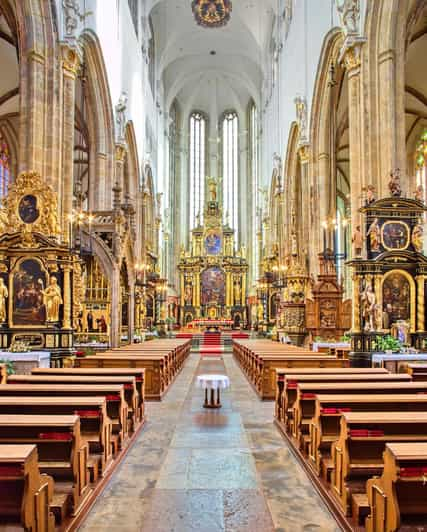
- Týn Church setting: Old Town Square, historic building, and acoustics built for vocal and baroque music.
- Prague Philharmonic strings plus solo stars, so it feels like a real production, not a background show.
- Anda-Louise Bogza soprano: a singer tied to major opera stages, including Vienna, Milano, and Paris.
- Aleš Bárta organ: especially known for Bach recordings, so baroque lovers have a reason to smile.
- Vlastimil Kobrle violin: acclaimed Czech concertmaster energy, with the kind of clarity violin music needs.
- 70-minute program: major works and famous excerpts, so you get variety without committing to a long evening.
Old Town listings, lane by lane
- Prague: Oldtown, Medieval Underground & Dungeon History Tour★ 4.2 · 8,244 reviews
- Prague: Old Town Hall Tower Entry Ticket★ 4.5 · 6,749 reviews
- Prague: 3-Hour Walking Tour of Old Town & Prague Castle★ 4.7 · 5,696 reviews
- Prague: 3-Hour Old Town and Prague Castle Tour in German★ 4.8 · 5,671 reviews
Týn Church in Old Town Square: more than a pretty backdrop
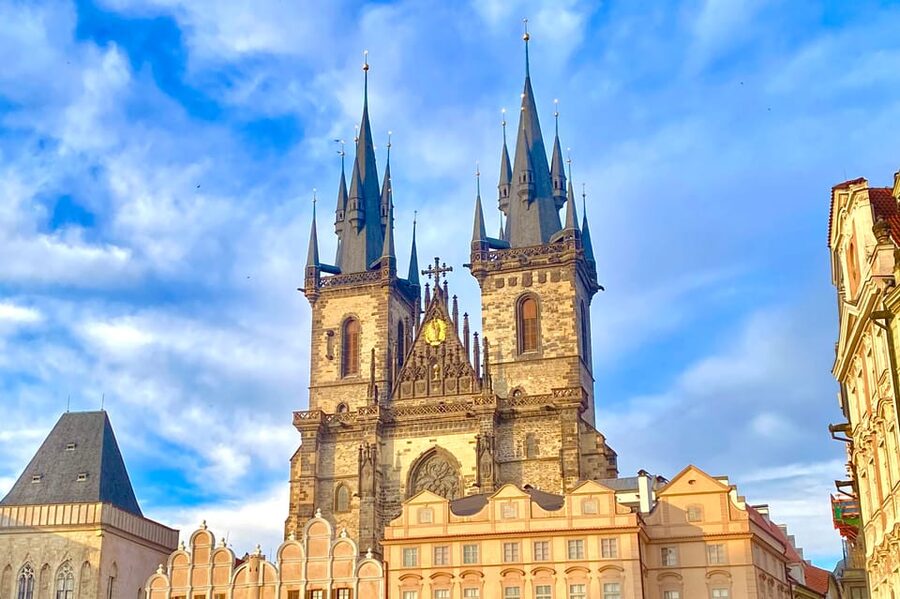
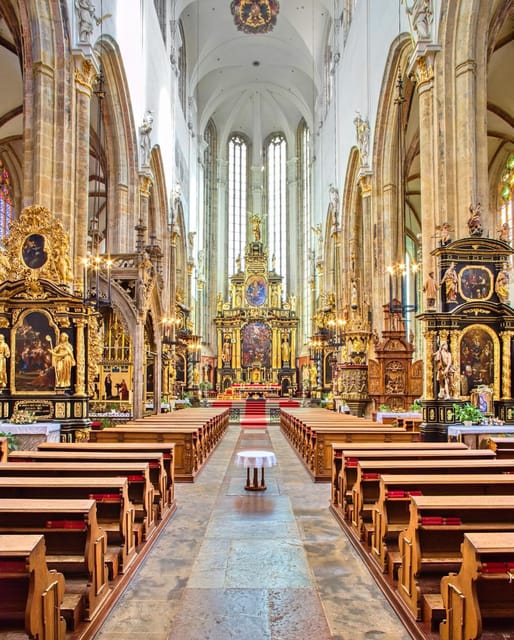
If you love concerts, you know the room matters. In this case, the room is the Church of Our Lady before Týn, right in Prague’s Old Town Square. The building shape and materials help the sound travel, and that turns even well-known melodies into something with extra texture.
The nice part for you is the timing. You are not looking at a whole evening that eats your dinner plans. The concert is 70 minutes, which makes it a great fit when you want culture without losing the rest of the day to queues, transit, or a slow start.
Also, you will likely appreciate that this is not just about the music. One of the best practical perks of a church venue is that you can take a breath before it starts. If you are the type who likes to look at details, this is one of the easier ways to get a meaningful stop in Old Town while still keeping your schedule realistic.
The lineup: Anda-Louise Bogza, Aleš Bárta, and Vlastimil Kobrle
This concert is built around three soloists, and that makes the listening experience feel focused. You are not only hearing a choir and orchestra blend. You are hearing named artists take responsibility for particular colors of sound.
Soprano Anda-Louise Bogza is one of the standout reasons to go. Her profile ties her to top opera houses, and that matters because you are not just getting “pretty singing.” You are getting the kind of control that works for sacred pieces and art-song-adjacent writing. If you like voices that carry even in a room that is not designed for a modern stage, this is where you will feel it.
Then there is Aleš Bárta on organ. His reputation is especially connected to Bach recordings, and you can feel that focus in a program that includes multiple Bach moments. Organ music needs precision, and the best performances treat the instrument like a living architecture, not just a loud novelty.
Finally, Vlastimil Kobrle on violin adds the spark that string lovers look for. A concertmaster role usually means strong leadership and clean playing under pressure. In repertoire like Vivaldi and the more dance-like Baroque and Classical excerpts, the violin has to be both lyrical and rhythmic. When that balance clicks, the whole show feels more alive.
Together with the strings section of the Prague Philharmonic Orchestra, the result is a concert that moves between elegance and punchy recognition. You will catch yourself realizing, mid-performance, that you know these melodies already, which is a good thing. It lowers the stress. You can simply listen.
The music program, explained like a friend would
The concert program reads like a sampler of Western classical favorites, but with a smart spread of moods. Here is what you can expect, piece by piece, based on the announced set:
Different halls, different programme notes


Vivaldi: The Four Seasons, Spring and Summer
You get Vivaldi’s seasons in two big chunks: Spring and Summer. These are built for motion. Expect that familiar rhythmic drive and expressive phrasing. Even if you do not know the technical story, your ears will recognize the way Vivaldi paints quick scenes with sound.
Bach: Magnificat
Next up is Bach’s Magnificat, which shifts you into a sacred, structured world. This is where you hear harmony doing real work. If you love the feeling of multiple lines moving at once, this is the part that tends to make people sit a little taller.
Beethoven: Symphony No. 5, Allegro
Then comes Beethoven’s Symphony No. 5, Allegro. Even a partial or excerpt-style presentation carries the recognizable energy. It is short on patience and long on momentum. If you want a jolt of familiarity, this is the jolt.
Schubert: Ave Maria
After that intensity, Schubert’s Ave Maria offers a softer lane. It is lyrical and intimate. In a church, that contrast tends to land well, because the room supports long vocal lines and gentle dynamics.
Bach: Jesu, Joy of Man’s Desiring
Then you hear Jesu, Joy of Man’s Desiring. This piece is all about steady radiance. You will likely notice how calm it feels even though it has harmonic complexity underneath. It is one of those “how is it so beautiful” songs that works whether you are a beginner or a long-time classical fan.
Smetana: The Moldau (Vltava)
Smetana’s The Moldau (Vltava) is Czech pride in musical form. This is the part where many people start thinking about Prague and the river landscapes of the region, even if you are sitting still. It is melodic storytelling, and it connects well to the setting in Old Town.
Handel: Ombra mai fu from Xerxes
Next is Handel’s Ombra mai fu from Xerxes, which is famous for its graceful, almost vocal-like phrasing. It is the kind of piece where you listen for breath and phrasing decisions. Great singers make it feel personal, not just correct.
Mozart: Divertimento in D Major
Then you get Mozart’s Divertimento in D Major, which brings clarity and bounce. Divertimenti are meant to entertain, and Mozart does that with precision. This section is a nice reset if you have been riding the heavier emotional waves.
Pachelbel: Canon and Gigue in D Major
After that, Pachelbel’s Canon and Gigue in D Major is instantly recognizable for many listeners. The canon is hypnotic. The gigue is the energy release. If you like the feeling of musical “mechanics” that still sound beautiful, this is where you get it.
Mozart: Requiem, Lacrimosa
The closer is Mozart’s Requiem, Lacrimosa. That ending choice matters. It leaves the room with a reflective emotional tone, not a party bow. Lacrimosa is heavy in the best way, so you finish with something memorable rather than merely pleasant.
One more thing you should know: the variety is not random. The program balances sacred and secular, bright and contemplative, while still using famous anchors. That is why beginners tend to feel comfortable and long-time classical listeners can still enjoy the structure.
Price and value: what $36 buys you in Prague
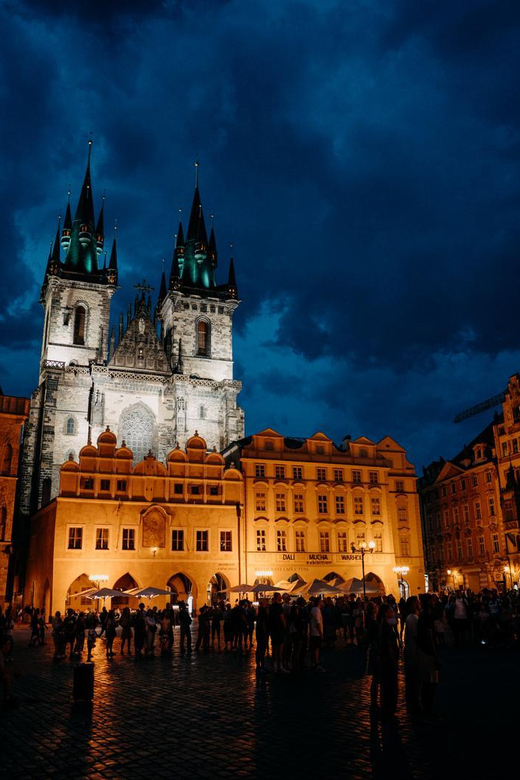
At $36 per person, you are paying for three things: a serious venue, serious performers, and a packed set of big-name compositions. In Prague, you can spend far more on guided tours and far less on casual entertainment. This sits in the middle, which is often the sweet spot.
Here is the value angle that matters in real life: you get a 70-minute ticket with entry included and a printed concert program. That printed program is not fluff if you actually use it. You can follow along, track where you are in the set, and notice how the mood changes from piece to piece.
And you are not guessing about the quality. The concert features musicians from the Prague Philharmonic and clearly named soloists: Anda-Louise Bogza, Aleš Bárta, and Vlastimil Kobrle. That kind of lineup usually means you are not getting a “local recital” vibe. You are getting something closer to a curated performance night.
A fair caution from the general feedback style around performances like this: one of the common critiques people mention in church concerts is that a singer can look tired. That can be a factor if you are very sensitive to stage presence. The good news is the overall quality to cost ratio is often praised, and many people call it a better performance than they expected.
Getting the most out of your seat in a church setting
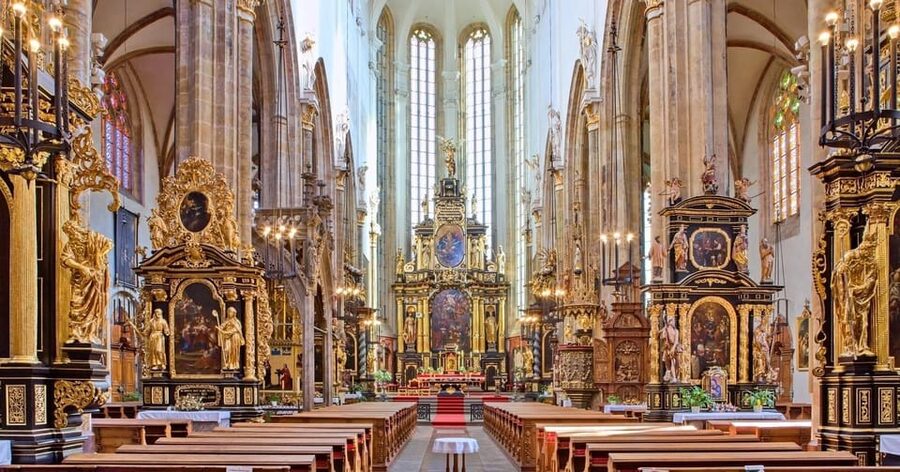
You do not need to be a music nerd to enjoy this concert. You do need to set yourself up for listening.
First, plan your timing so you can settle before the program starts. The venue is in Old Town Square, so it is easy to show up late by accident if you are sightseeing and stopping for snacks. Arrive with buffer time to sit down, look around, and get your bearings fast. Even simple things, like knowing where the entrance area is and where people are moving, help you enjoy the silence before music begins.
Second, keep an eye on the solo moments. With an organist like Aleš Bárta on the program, there will be a section where the sound feels bigger than the rest. That is your cue to stop multi-tasking. Let the room do the work.
Third, use the program printout. Even if you already recognize the melodies, reading the names helps you connect what you are hearing to the emotional intent. For example, Ave Maria and Lacrimosa are in totally different emotional zones than Vivaldi or Beethoven’s Allegro. Having the titles in front of you makes the contrasts easier to catch.
Finally, remember this is not a huge event crowd. Some of the best comments about this type of concert highlight that you can contemplate the church and enjoy the music without a chaotic, packed-feeling atmosphere. That matters because it makes the performance feel more personal, not like you are stuck behind shoulders and coats.
Who should book this concert, and who might not love it
This experience is a strong match if you want:
- a classical concert in Prague that still feels approachable
- well-known composers in one 70-minute program
- a venue that adds atmosphere without requiring a full guided day
- the chance to hear specific soloists, not just a generic ensemble
You might think twice if:
- you only enjoy concerts that run long, with minimal excerpting
- you are expecting a child-friendly format, because unaccompanied minors are not allowed
- you hate the possibility of a performer looking less energetic on a particular day. It can happen in any live show, and one critique notes the soprano looked tired, even when the overall performance still landed well
For couples, solo travelers, and groups of friends who want culture with minimal planning, this is a clean choice. If you are on your first trip to Prague, it is also a smart way to connect the city’s Old Town setting to the sound of European classical tradition.
Should you book the Prague Týn Church Classical Music Concert?
I think this is a solid “yes” for most visitors who care about music and want an efficient evening.
Book it if you want a high-quality performance in a historic Old Town venue, with Prague Philharmonic strings and three major soloists. The program includes big audience favorites like The Four Seasons (Spring and Summer), Handel’s Ombra mai fu, Pachelbel’s Canon, and Mozart’s Requiem Lacrimosa, so you will not feel lost even if you are not a lifelong classical listener.
Skip it if you are chasing a long, slow, deep program night, or if you need a strictly family-friendly setup. Also, if you are very sensitive to performance aesthetics like stage energy, keep in mind one note mentions the soprano looked tired. That said, the overall quality-to-cost impression is often positive.
If your goal is a memorable Prague evening that fits into a normal travel schedule, this concert checks the boxes.
FAQ
How long is the concert?
The concert duration is 70 minutes.
Where does the concert take place?
It takes place at the Church of Our Lady before Týn in Prague’s Old Town Square.
How much does it cost?
The price is listed as $36 per person.
Who performs at the concert?
The concert features musicians from the strings section of the Prague Philharmonic Orchestra, with soloists Anda-Louise Bogza (soprano), Aleš Bárta (organ), and Vlastimil Kobrle (violin).
What music is included in the program?
The program includes works such as Vivaldi’s The Four Seasons (Spring and Summer), Bach’s Magnificat and Jesu, Joy of Man’s Desiring, Beethoven’s Symphony No. 5 (Allegro), Schubert’s Ave Maria, Smetana’s The Moldau (Vltava), Handel’s Ombra mai fu, Mozart’s Divertimento in D Major and Requiem (Lacrimosa), plus Pachelbel’s Canon and Gigue in D Major.
What is included with the ticket?
Your ticket includes entry and a printed concert program.
Are unaccompanied minors allowed?
No, unaccompanied minors are not allowed.
FAQ
Can I cancel, and when?
You can cancel up to 24 hours in advance for a full refund.
Do I have to pay right away?
No. You can reserve now and pay later.
More Tour Reviews in Prague

Programme Notes From Prague


Old Town, Lane by Lane
Freshly written up in Prague
- World War II 4WD Tour from Prague with Lunch
★ 4.4 · 3 reviews - World War II History Tour of Prague’s Old Town
★ 5.0 · 3 reviews - Welcome to Prague – Private Tour with Licensed Guide
★ 5.0 · 3 reviews - Gourmet Brunch with Chef: Unlimited Drinks & Stunning River Views
★ 5.0 · 3 reviews - VIP Prague Segway Tour Around Monastic Breweries
★ 4.0 · 3 reviews
Old Town & Astronomical Clock Tours, compared.
 ★ 4.2Oldtown, Medieval Underground & Dungeon History TourFrom $308,244 reviews
 ★ 4.5Old Town Hall Tower Entry TicketFrom $216,749 reviews
 ★ 4.73-Hour Walking Tour of Old Town & Prague CastleFrom $305,696 reviews
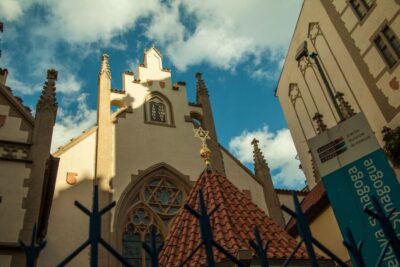 ★ 4.83-Hour Old Town and Prague Castle Tour in GermanFrom $365,671 reviews
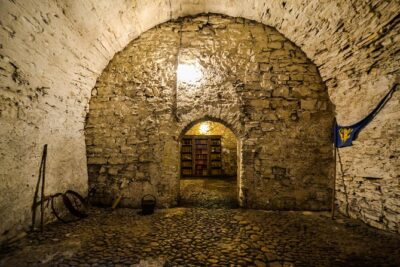 ★ 4.5Prague Old Town, Medieval Underground and Dungeon Historical TourFrom $323,227 reviews
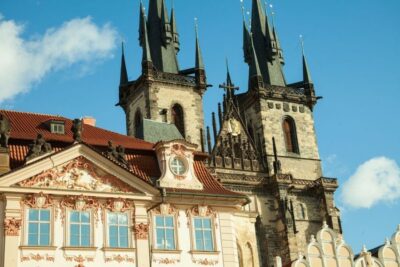 ★ 4.8Old Town and Jewish Quarter Guided Tour in GermanFrom $293,143 reviews
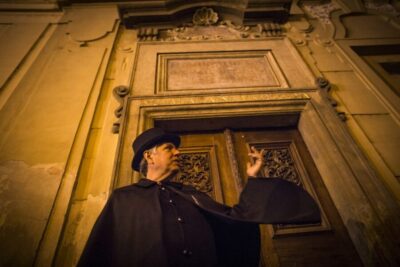 ★ 4.5Ghosts and Legends of the Old Town Evening TourFrom $213,091 reviews
 ★ 4.6Old Town and Jewish Quarter Guided Walking TourFrom $222,847 reviews
Browse the lists this tour appears in