
REVIEW · BRNO & SOUTH MORAVIA TOURS
Skip the Line: 10-Z Bunker Entrance Ticket in Brno
Creepy quiet, then you follow the map. Brno’s 10-Z bunker turns WWII and Cold War survival planning into a self-guided walk through real-world spaces like generators, filtration, and communications rooms. I really liked that you get an English map and can use hidden QR codes for extra video, so the experience stays clear even without a live guide.
Two other strong points: the flow is easy to manage, and the visit can be as short or as long as you want. You also get helpful structure right up front, including a goal of finding your way out, which keeps the labyrinth from feeling random.
One caution: it is mostly self-guided, and a few parts can feel light on English context. If you want a deeply narrated story, you may wish there were more guided explanation alongside the screenings.
In This Review
- Key things to know before you go
- Brno’s 10-Z Bunker: Why This Feels More Real Than a Usual Museum
- Skip-the-Line With a Mobile Ticket, and What That Means for Your Time
- The Entrance Challenge: English Map, Labyrinth Layout, and Finding Your Way Out
- Inside the Shelter Rooms: Power, Air, and Communication That Actually Make Sense
- WWII and Cold War Stories Told Through Screens and Projected Images
- The Polášek Tables and the Cejl Prison Door: When Objects Carry Heavy Meaning
- Smaller Highlights That Add Texture: Phone Gear, Gas Masks, and Prison Spaces
- The Milk Bar of Marcel Ihnačák: A Simple End Point That Helps You Reset
- How Long Should You Budget, and What Pace Works Best?
- Price and Value: Is This $12.01 Ticket Worth It?
- Practical Tips So Your Visit Feels Smooth
- Who Should Book This Bunker Ticket?
- Should You Book the 10-Z Bunker Skip-the-Line Ticket?
Key things to know before you go
- Skip-the-line entry with a mobile ticket, so you spend less time queuing
- Self-guided labyrinth layout, with a map that helps you find your way out
- QR-code videos and Wi-Fi in the bunker, for extra context while you walk
- English support, including an English map and about 15 screenings with English subtitles
- Real bunker systems, like the diesel generator, filtration room, and PBX telephone switchboard
- A place to pause at the end, the Milk Bar of Marcel Ihnačák café inside the site
Southward: further Brno and Moravian ground
- Brno: Historic Downtown Walking Tour★ 3.9 · 278 reviews
- 3-Hour Brno Themed Walking Tours★ 3.9 · 65 reviews
- Skip the Line: 10-Z Bunker Entrance Ticket in Brno★ 4.5 · 37 reviews
- PUNKVA CAVES, ABYSS and PERNSTEJN CASTLE =only from Apr to Sep★ 5.0 · 25 reviews
Brno’s 10-Z Bunker: Why This Feels More Real Than a Usual Museum
If you have ever walked through a museum and thought, OK, but where is the lived-in feeling, 10-Z goes after that. This is a WWII and Cold War fallout shelter that uses dark rooms, projected stories, and functioning-scale displays to recreate the world people tried to survive. The vibe is practical, not theatrical, which makes it easier to take seriously.
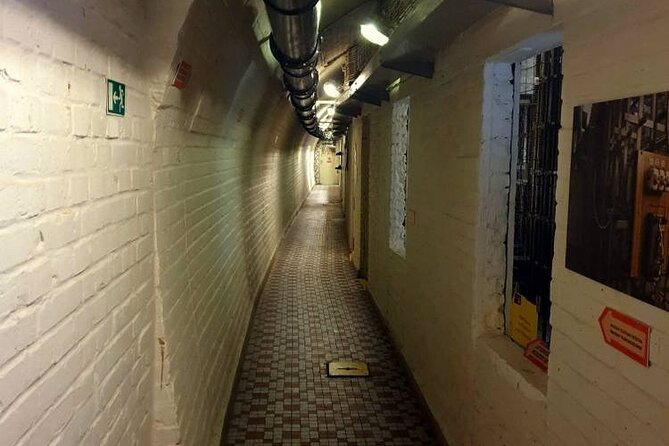
What makes it more than a collection of artifacts is the layout. You are not just looking at items on walls. You are moving through areas that match what a bunker needed, power, air filtration, and communication. Even if you only spend an hour, the place gives you a strong sense of systems working under pressure.
Also, the self-guided setup fits a lot of travel styles. If you like to read, you can linger at screens and visuals. If you want to move briskly, the route still holds together because the map gives you a way to navigate.
Skip-the-Line With a Mobile Ticket, and What That Means for Your Time
The big value here is simple. You buy a skip-the-line entrance ticket, then you use a mobile ticket to get in without the wait eating your vacation. At a price of about $12.01 per person, this is a low-stress way to add a meaningful indoor stop to your day in Brno.
Timing matters because the site is open Tuesday through Sunday, 11:30 AM – 7:00 PM, during the listed operating range from 12/16/2025 – 12/15/2026. If you can go earlier in the afternoon, you tend to get the kind of calm visit that makes self-guided spaces easier to enjoy. This is the kind of attraction where crowd pressure can ruin the mood, so arriving with a little breathing room helps.
Your visit duration is flexible, roughly 15 minutes to 1 hour 30 minutes. That range is actually a benefit. If you only have a short window, you can still hit the core rooms and screenings. If you enjoy detail, you can slow down and use the QR videos as you go.
The Entrance Challenge: English Map, Labyrinth Layout, and Finding Your Way Out
Right at the beginning, you get a map and you get a mission. The bunker is set up like a labyrinth, and you are expected to navigate your way through stations while searching for your way out. That structure is what makes the experience feel guided even without a live guide.
Your map is in English, which is a big deal. It helps you follow the route and not get lost in rooms that feel similar in the dark. The site also uses screens and projected images to tell stories tied to the shelter, including people connected with life during those tense decades.
Here is another practical plus: all areas of 10-Z have Wi-Fi. That means the hidden extras, including video content tied to QR codes, are easier to access on the spot. As you walk, you can scan QR codes to pull up additional material without stopping to plan in advance.
Inside the Shelter Rooms: Power, Air, and Communication That Actually Make Sense
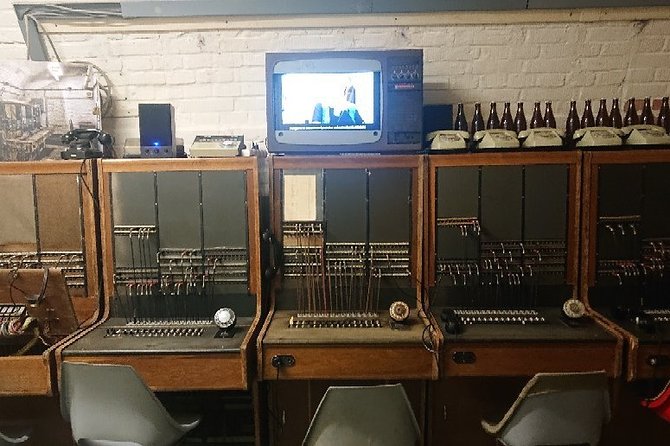
The bunker’s most impressive sections are the technical rooms. They are not just labeled, they are presented as the working infrastructure of survival. You walk through highlights like the diesel generator and the filtration room, then into communication gear featuring the PBX telephone switchboard.
Why does this matter for you as a visitor? Because it turns abstract history into something your brain can picture. Power is not a vague concept here. Filtration is not just a word. Communication is not just a story about radio. Seeing these rooms and how they fit together helps you understand how a shelter functioned as a system.
You will also encounter displays that cover day-to-day realities of the era. The phone exchange and gas masks fit naturally into the idea that survival was about both technology and human behavior. Even if you are not a WWII or Cold War specialist, these rooms give you a grounded path into the topic.
WWII and Cold War Stories Told Through Screens and Projected Images
As you move deeper, the bunker uses audiovisual technology to keep the story moving. There are screenings that include English subtitles, and the overall exhibit is about 15 screenings. The content is delivered through TVs showing older footage and stories associated with the city and region.
This is where I think the experience is strongest for people who like to learn at a comfortable pace. You do not have to keep up with a tour pace, and you can choose when to sit and watch. The dark setting makes the screens feel like part of the environment, not a separate show you have to find.
One consideration: if you are hoping for lots of narrative context beyond what the subtitles provide, you may find some segments a bit light. A few visitors have pointed out that English context can feel insufficient in places. If that is your style, you might want to pair your visit with a bit of reading before you arrive, or plan to focus more on what you can see in the rooms themselves.
The Polášek Tables and the Cejl Prison Door: When Objects Carry Heavy Meaning
Some parts of 10-Z go beyond everyday bunker gear. You can see city artifacts placed inside the shelter, which makes the site feel connected to Brno rather than sealed off as a generic WWII stop.
One striking example is the Polášek functionalist tables from the New Town Hall. These tables were forgotten in the shelter and later used by Adolf Hitler and all communist presidents during their visits to Brno Town Hall. Seeing them here is unsettling in a very specific way, because it shows how power traveled even into places meant for hiding.
Another powerful artifact is the door from the cell of death from the former Regional Prison at Cejl in Brno. This is tied to people sentenced to death during WWII and Stalinism, including prisoners who carved messages into the door before facing capital punishment. That detail changes the tone of the whole bunker, and it is one of the reasons I think this stop lands hardest for thoughtful travelers.
If you are sensitive to heavy themes, you should know this is not a light attraction. Still, the way these objects are presented is straightforward, and the bunker environment gives them weight.
Smaller Highlights That Add Texture: Phone Gear, Gas Masks, and Prison Spaces
Beyond the big technical rooms and the most famous objects, you will spot smaller exhibits that build atmosphere. The phone exchange and related communications displays help you picture how information moved when everything outside was chaotic.
Gas masks show up as a reminder that survival plans were designed for more than one kind of threat. The bunker also includes prison-related elements, such as a prison room, which ties into the broader theme of control and fear during the WWII and Stalinism eras.
These details matter because they fill in the human scale. You can read about history later, but it is harder to forget rooms that make you think about equipment a person might have used while waiting under pressure.
The Milk Bar of Marcel Ihnačák: A Simple End Point That Helps You Reset
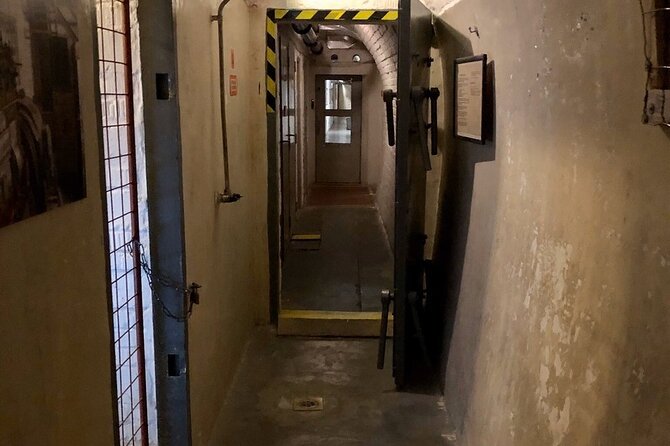
At the end of your walk, you can rest in the Milk Bar of Marcel Ihnačák. It is a café break inside the experience, which I love for two reasons. First, it gives your brain a way to come up for air after darker rooms. Second, it makes the visit feel like a complete outing rather than a quick drop-in.
You should plan to use that pause if you tend to linger in the screenings. The bunker can be mentally intense, even when you are moving through it calmly. A café stop also helps you avoid the typical problem of leaving an indoor site and realizing you have no energy left for your next activity.
How Long Should You Budget, and What Pace Works Best?
With a visit duration range of about 15 minutes to 1 hour 30 minutes, you should decide what you want your time to do. If you are short on schedule, aim to hit the main technical rooms and the screenings with English subtitles. You will still leave with a clear sense of how the shelter functioned.
If you have more time, use the QR codes while you walk. Because Wi-Fi is available in all areas, you can access the extra videos without hunting around outside the rooms. This is also a good strategy if you want to reduce the risk of feeling like English context is thin, since the QR materials are meant to add depth.
This self-guided format also works well if you travel with a mix of interests. One person can focus on specific displays like the telephone switchboard. Another might spend more time on prison-related exhibits and heavier objects. The route supports both styles because the map keeps you oriented.
Price and Value: Is This $12.01 Ticket Worth It?
At $12.01 per person, this is a strong value entry ticket for an indoor, story-driven attraction with English support. The skip-the-line part is the practical win. You save time and friction, which is often what makes or breaks a half-day plan in a new city.
The included items also matter. You get admission, an English map, and the self-guided structure that leads you through rooms and about 15 screenings with English subtitles. You also get access to extras like QR videos and on-site Wi-Fi.
What you do not get is a guide included with the ticket. That is not automatically bad, but it does affect who this works for. If you enjoy self-paced history with audiovisual stations, you will likely love the freedom. If you want a person to explain motivations, politics, and timeline detail in a more continuous way, you might find the overall context uneven.
Practical Tips So Your Visit Feels Smooth
A few small choices can make a big difference in a bunker setting.
- Start with the map and commit to the route, then use the QR codes where you want more detail.
- Plan for your comfort level in dark indoor rooms. Wear shoes you are happy to walk in for the length you choose.
- Bring your phone battery game. Wi-Fi exists, and QR content is part of the experience, so you do not want to run out mid-visit.
- If you are going for learning, pause at the screens. The English subtitles help, and watching a bit longer gives you a better sense of the stories tied to the region.
The overall experience also has a sensible group limit, maximum 99 travelers. That number helps keep crowd pressure lower than huge city attractions, especially outside peak times.
Who Should Book This Bunker Ticket?
I think this works best for three types of travelers.
First, people who like self-guided museums where you can control pacing. The map, the clear station-based layout, and the goal of finding your way out makes it easy to feel organized.
Second, history-minded travelers who enjoy understanding how systems work. The diesel generator, filtration room, and PBX switchboard are the kind of displays that translate to real-world survival needs.
Third, travelers visiting Brno who want an authentic local angle. Seeing objects tied to Brno Town Hall and the former Regional Prison at Cejl makes the experience feel anchored to the city, not floating in generic war facts.
If you are expecting a heavy narrated tour in English, consider that the experience is self-guided and guide service is not included. The English subtitles and map help, but the depth of explanation may vary by station.
Should You Book the 10-Z Bunker Skip-the-Line Ticket?
Yes, you should book if you want a memorable, structured indoor visit that does not eat half your day. With skip-the-line entry, a flexible 15 minutes to 1 hour 30 minutes duration, English map support, and QR video extras plus Wi-Fi, this is an efficient way to add real WWII and Cold War atmosphere to your Brno plan.
Skip it only if you strongly prefer guided storytelling and you know you get frustrated by uneven English context. In that case, you might find the self-guided format a little too quiet and station-based for your taste.
If you are somewhere in the middle, I would treat 10-Z as a high-impact stop. It is short enough to fit almost anywhere, and it gives you access to rooms and objects that make the past feel startlingly close.
More Tour Reviews in Brno


Brno and the Moravian South
Freshly written up in Brno
- Brno’s Historic Gems: A Walking Tour
★ 5.0 · 3 reviews - Moravian wine trails
★ 5.0 · 4 reviews - Brno’s Historic Gems: A Private Walking Tour
★ 5.0 · 6 reviews - 2 Hours Private Walking Tour in Brno
★ 5.0 · 6 reviews - Fullday Private Tour in Lednice and Valtice with Castle Visiting
★ 5.0 · 6 reviews
Brno & South Moravia Tours, compared.
 ★ 3.9Brno: Historic Downtown Walking TourFrom $34278 reviews
 ★ 3.93-Hour Brno Themed Walking ToursFrom $4165 reviews
 ★ 5.0PUNKVA CAVES, ABYSS and PERNSTEJN CASTLE =only from Apr to SepFrom $20425 reviews
 ★ 5.0Trip to the Austerlitz Battlefield near BRNO in the Czech RepublicFrom $21620 reviews
 ★ 4.5Tour of the Czech Republic – Castles and spas of Bohemia & MoraviaFrom $1,42320 reviews
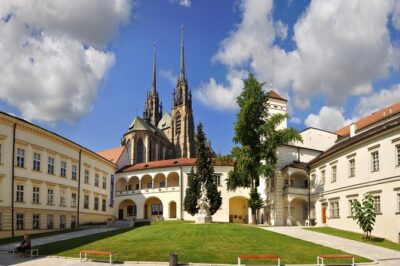 ★ 3.5Brno Historical Walking TourFrom $3518 reviews
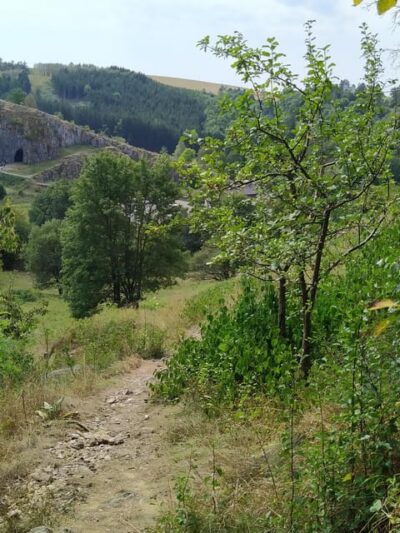 ★ 5.0Discover Moravian Karst: Seven Stops, One Tailored TourFrom $21817 reviews
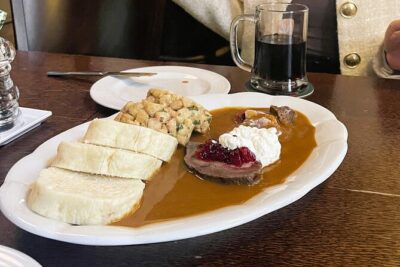 ★ 4.5Brno Food Tasting Tour of Hidden Gems for Small GroupsFrom $10413 reviews
Browse the lists this tour appears in