
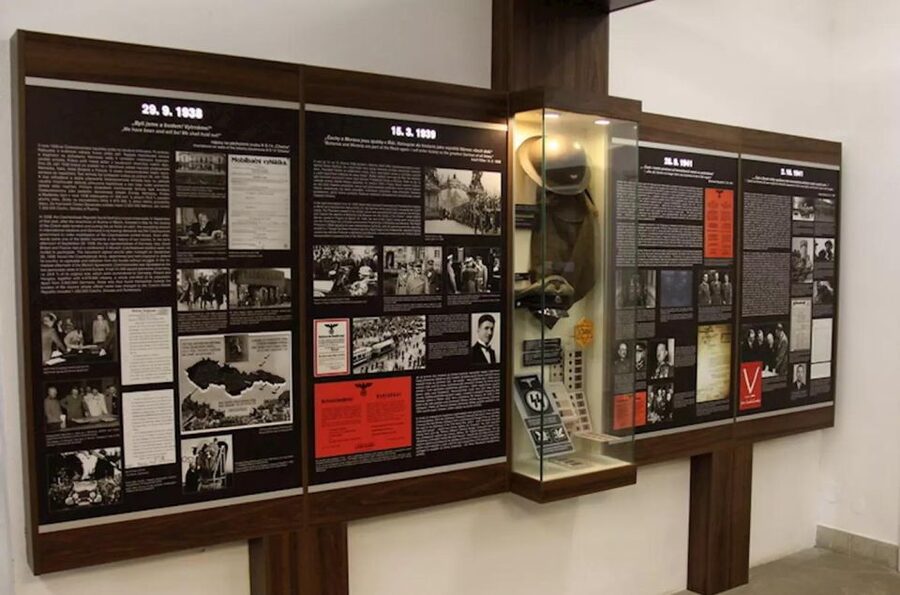
REVIEW · TEREZIN MEMORIAL TOURS
Operation Anthropoid Tour or Terezín Concentration Camp Tour
Crypt visits hit different.
This guided trip connects the Operation Anthropoid story to the grim reality of Terezín. You start in the Church of St. Cyril and St. Methodius, with access to the crypt, then continue to the Terezín Small Fortress and Big Fortress sites that explain how Nazi control worked, not just when it happened but how it functioned.
What I like most is the way the tour turns names and dates into scenes you can actually stand in, especially in the church crypt tied to the assassination plot. I also love the pacing once you reach the fortress area, with guided stops that focus on the Big Fortress, the Small Fortress, and what survivors’ accounts mean for understanding the Holocaust beyond statistics.
One thing to consider: this is emotionally heavy territory, and the combined tour can stretch into a long day depending on your start time. Wear comfortable shoes and plan to move slowly through the sites, because you will want time to take it all in.
In This Review
- Key highlights you will feel right away
- Meeting point in front of the Dancing House, then straight to the story
- The Church of St. Cyril and St. Methodius crypt: where Operation Anthropoid becomes physical
- Terezín Big Fortress vs. Small Fortress: two functions inside one system
- Ghetto museum and Magdeburg barracks: learning through specific spaces
- The cemetery and survivor stories: why this tour lingers
- Price and value for a Prague-based day trip
- How to choose the right time window (and avoid a rushed feeling)
- Who this tour is best for
- Should you book the Operation Anthropoid and Terezín tour?
- FAQ
- FAQ
- Where do we meet for the tour?
- How long is the tour?
- Is the tour available in English?
- What is included in the Operation Anthropoid portion?
- What parts of Terezín are included?
- Do you provide transfers from Prague?
- What does the price include?
- Is there a cancellation option and a pay-later option?
- Can this tour be done as a private group?
Key highlights you will feel right away
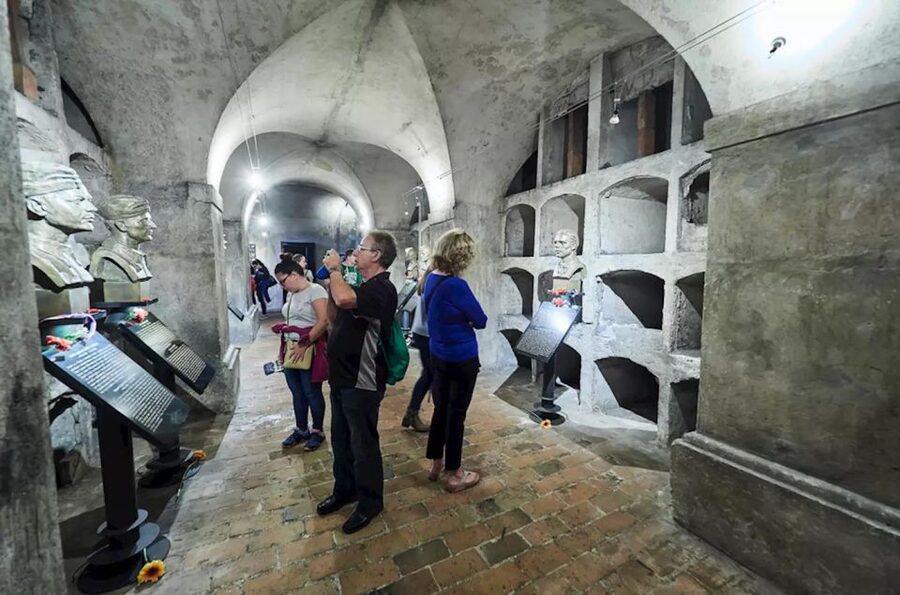
- Crypt access under the Church of St. Cyril and St. Methodius with context for the Operation Anthropoid plot
- Big Fortress and Small Fortress touring so you see two roles in the same system
- Focused museum stops like the Ghetto museum, Magdeburg barracks, and Crematorium visit
- Cemetery time and survivor storytelling that gives the visit a human scale
- Pickup and private transfers from Prague for a smoother day outside the city
Further escorted visits to Terezin and its memorial grounds
- From Prague: Terezin Concentration Camp Guided Tour w/ Audio★ 4.5 · 1,959 reviews
- Terezin Concentration Camp Day Tour from Prague★ 4.0 · 1,007 reviews
- From Prague: Terezín and Ghetto Museum Guided Tour★ 4.3 · 571 reviews
- Terezin & Bohemian Switzerland from Prague: Bastei, Narnia & Café★ 5.0 · 445 reviews
Meeting point in front of the Dancing House, then straight to the story
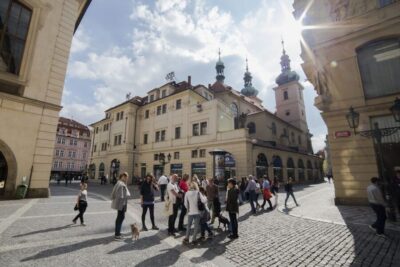
The tour meets in front of Prague’s Dancing House, a handy landmark that makes finding your guide simple before the day gets busy. From there, you head out with private transfers that pick you up and drop you off at your Prague accommodation, which matters more than it sounds. Prague traffic can be unpredictable, and this routing keeps you from losing time figuring out trains or switching buses while you are already mentally preparing for a difficult subject.
The day’s structure is flexible, with a duration listed from 1 to 8 hours based on your chosen starting time and whether you opt for the combined option. For me, the practical takeaway is this: you should treat it like a real day plan, not a casual add-on. You will likely be walking through memorial and museum spaces where the guide’s timing helps you connect the dots.
English is available with a live guide, and many travelers care most about getting clear explanations without waiting around. This tour is designed around that, with entry access and a guided flow that keeps you from bouncing randomly between rooms and exhibits.
The Church of St. Cyril and St. Methodius crypt: where Operation Anthropoid becomes physical
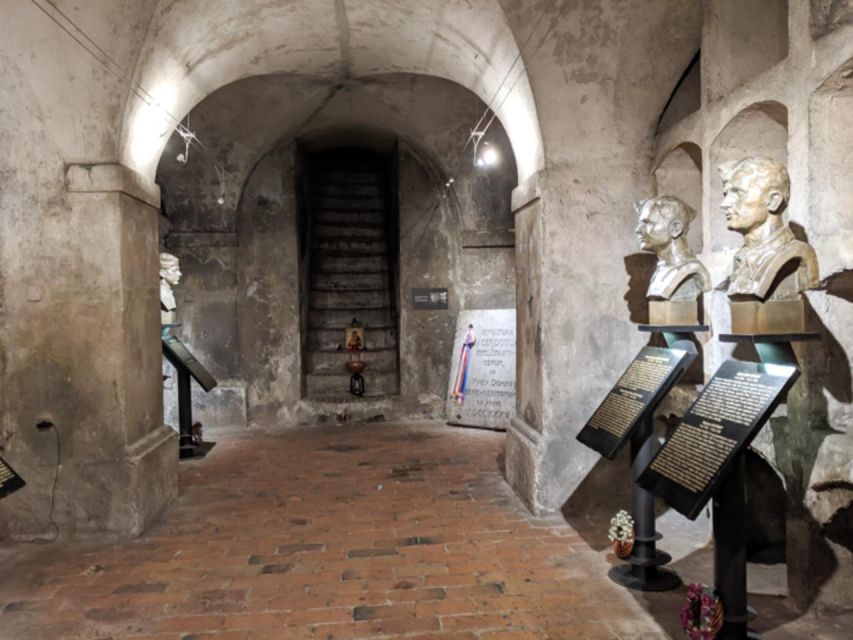
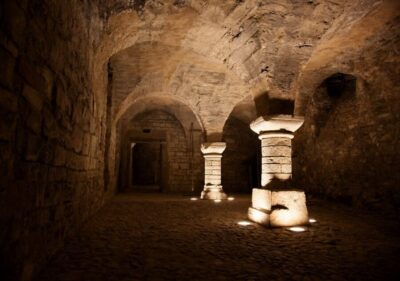
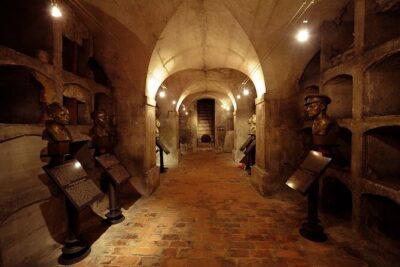
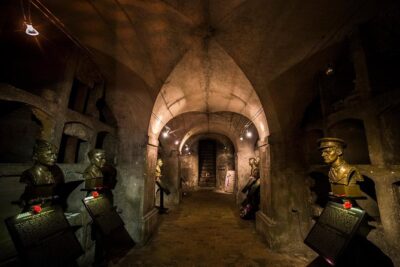
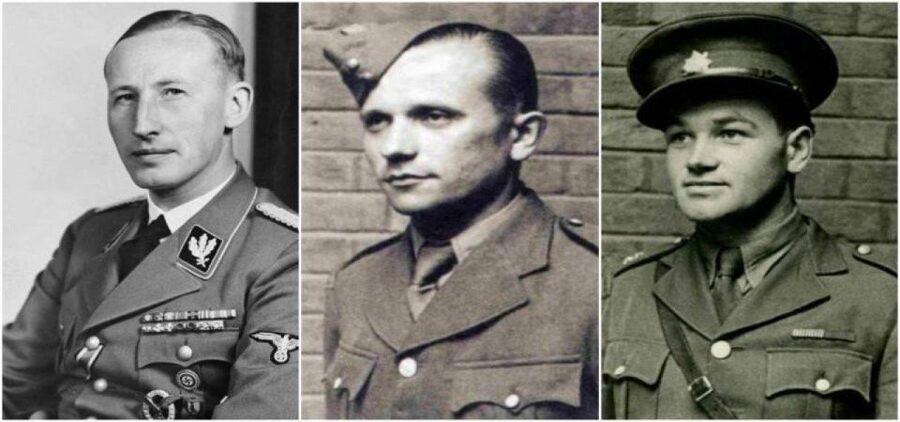
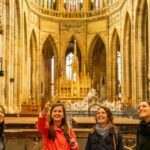
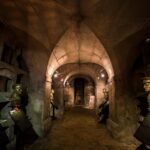
Operation Anthropoid is one of those World War II stories that gets referenced a lot, but the context can blur unless you see it in place. Here, the centerpiece is the Church of St. Cyril and St. Methodius and the crypt beneath it, which gives you a more grounded feel for the mission connected to the assassination plot targeting Reinhard Heydrich.
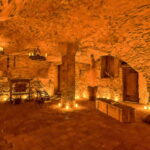
The guided portion typically walks you through the church spaces and then down into the crypt, where the atmosphere changes fast. You do not just hear what happened; you learn why the location mattered to the resistance network and how the mission fit into the larger pressure building across the region. The guide’s role is key because this is not just a dramatic tale. It is also about logistics, risk, and what resistance meant in everyday terms.
Two things I value in this stop. First, you get the story framed with clear historical context rather than a scavenger hunt through rooms. Second, you can ask questions. Names like Michael and Radim show up from the guides who have led this experience in English, and the common theme is confidence in explaining the plot and the surrounding circumstances in a way that helps it make sense.
Possible drawback: if you are hoping for a light, entertainment-style visit, this is not that. The crypt is quiet and serious, and the focus stays on the operation’s significance. Think reflective, not fun.
Terezín Big Fortress vs. Small Fortress: two functions inside one system
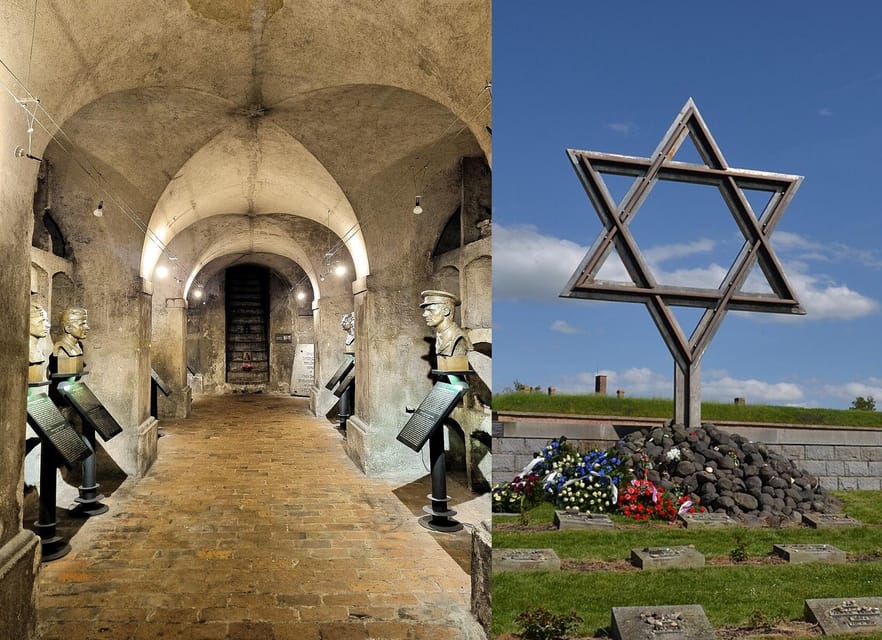
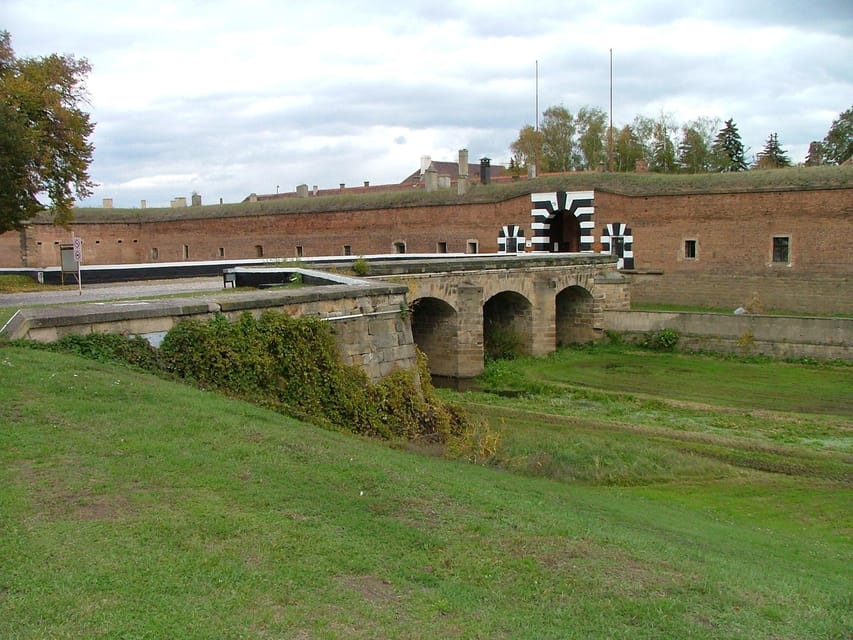
Once you reach Terezín, the tour shifts from mission story to the larger machinery of control. You will get a guided tour covering the Terezín Small Fortress and the Big Fortress, and the way these two parts are explained is what makes the visit powerful.
The Big Fortress is described as becoming a ghetto-concentration camp for Jews, while the Small Fortress functioned as a Gestapo police prison. That distinction matters. It helps you see the Holocaust not as one single type of cruelty, but as a set of different tools used together: confinement, interrogation, deportation pathways, and forced living conditions that were designed to break people down over time.
A good guide keeps this from becoming a confusing list of facts. Instead, you are guided through what each fortress was used for and what that likely meant day to day. You also get the sense of how the system moved people through spaces with different purposes, even when the end result was meant to be devastating.
Here is a practical tip for you: if you tend to get overwhelmed by lots of names and dates, focus on the roles each place played. Big Fortress equals one kind of confinement and forced ghetto life. Small Fortress equals police prison and brutal security operations. When you anchor your thinking this way, the museum information clicks faster.
Further wartime ground covered in Prague
Ghetto museum and Magdeburg barracks: learning through specific spaces
The tour’s museum component is not random. It points you toward specific areas that help explain how daily life and suffering were structured. Included stops can include the Ghetto museum, Magdeburg barracks, and a Crematorium visit.
The Ghetto museum portion is where context helps most. If you only visit memorial grounds with no explanation, you can end up with the feeling of seeing something historic but not fully understanding the system. A guided approach bridges that gap by translating the physical spaces into meaning, like how buildings were used, how people were kept, and how Nazi policy shaped everything.
Magdeburg barracks are another key stop. Barracks are one of those words that can sound generic until you stand somewhere that used a similar setup for forced living. The tour uses this kind of space to show scale and function, not just tragedy as an abstract idea. The Crematorium visit is the hardest part for many people, so build in extra time mentally. If you have a history of sensitive reactions at memorial sites, plan a slower pace through this section and lean on the guide if you need help understanding what you are seeing.
If you are the type who likes to take photos, keep the etiquette in mind. These are not tourist backdrops. Use your time for understanding first, pictures second.
The cemetery and survivor stories: why this tour lingers
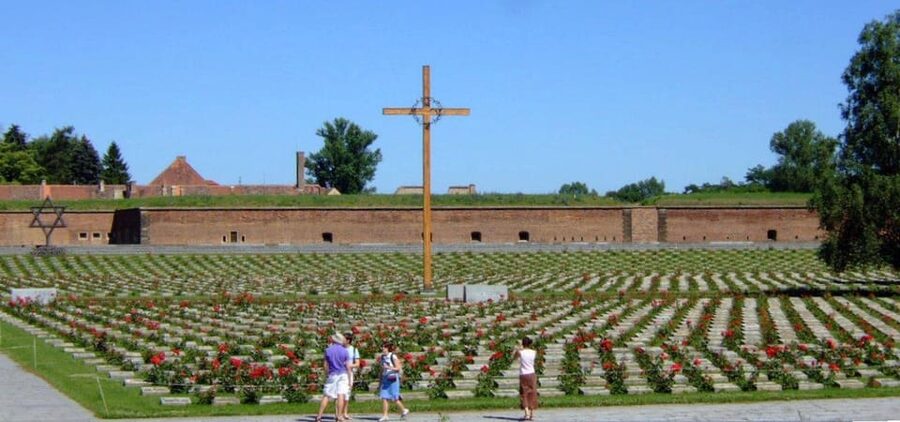
One of the tour highlights is time connected to the cemetery, plus hearing story of Terezín survivors. This is where the experience stops being only about the Nazis and becomes about people, choices, and survival.
Cemeteries have their own pace. You cannot speed through. The guide’s storytelling keeps you from turning it into a quick stop. Instead, you hear accounts that connect the forced confinement to long-term memory, meaning, and the afterlife of events that lasted well beyond the war years.
What I appreciate is that the tour treats survivor stories as central, not as an optional add-on. You leave with the sense that the site is not only about what victims lost, but also about courage and sacrifice and the relentless work of trying to save people who were facing near certain danger. That focus is what makes the visit feel grounded, even when the subject is painful.
Practical note: bring a bottle of water if your day is longer, and keep tissues or something similar in your bag. Not because you will cry, but because it is a good idea to be comfortable while your emotions do their thing.
Price and value for a Prague-based day trip
At about $23 per person, the tour is relatively low-cost for a guided day that combines two major sites and structured museum coverage. The big value piece is not just the attractions. It is the logistics: private transfers with pickup and drop-off from your Prague accommodation and guided entry so you are not wasting time juggling tickets and routes when you have limited hours.
For a Prague itinerary, this can be a smart buy if you want one guided day trip that hits both the Operation Anthropoid context and the Terezín fortress reality. If you tried to stitch it together on your own, you would likely spend more time and energy coordinating visits, and you might miss the connective explanations that make the stops feel like one coherent story.
That said, you should match the tour to your mood. This is not an easy walking tour in a casual way. It is a serious historical experience, and the “value” you get is emotional and educational, not scenic. If that is what you want, the price feels like a bargain for the guided structure you receive.
How to choose the right time window (and avoid a rushed feeling)
The listing says 1 to 8 hours, which is a wide range for one experience. In practice, that means your chosen start time and whether you do the full combined tour will shape how much you absorb.
If you prefer a calmer pace, look for a longer slot and plan your day around it. If you choose a shorter option, you may feel more compressed between the church crypt and the Terezín components. Either way, set expectations: you are not visiting a handful of rooms and then moving on to dinner plans. You are stepping into history, and your brain will need time to register what it learns.
Shoes matter. The tour includes multiple areas around the fortress and museum sites. Even when the walking is not extreme by sightseeing standards, the surfaces and footing can be uneven, and the emotional gravity makes you slow down naturally.
Who this tour is best for
This works best for you if:
- you want a guided link between Operation Anthropoid and the Terezín sites tied to Nazi persecution
- you like explanations that connect a specific WWII mission to the larger system
- you prefer a well-structured day trip out of Prague with pickup and drop-off
It may be less ideal if you are looking for a casual “see what’s there” style museum day, or if you get overwhelmed by intense subject matter and need very light programming.
If you care about asking questions, this is also a strong fit. Guides such as Michael and Radim have been praised for being engaging and responsive, including for giving deeper clarity around Operation Anthropoid. That can change the whole tone of the experience, from listening to understanding.
Should you book the Operation Anthropoid and Terezín tour?
If you are going to Prague and you want one day that gives you both the assassination plot context and the lived reality of Terezín’s Big and Small Fortress functions, I think this tour is worth booking. The guided crypt experience sets the emotional tone, and the fortress tour then gives structure to what might otherwise feel like separate sites with separate labels.
Book it if you want clear English interpretation, planned stops like the Ghetto museum, Magdeburg barracks, and Crematorium, and the human scale provided by survivor stories and cemetery time. Skip it if you are hoping for something light, or if you cannot handle serious memorial settings at all today.
FAQ
FAQ
Where do we meet for the tour?
You meet your guide in front of the Dancing House in Prague.
How long is the tour?
The tour duration is listed as 1 to 8 hours, depending on the starting time you choose.
Is the tour available in English?
Yes, the tour is guided in English.
What is included in the Operation Anthropoid portion?
It includes entrance to the Church of St. Cyril and St. Methodius, access to the crypt, and an expert guide to explain the context of Operation Anthropoid.
What parts of Terezín are included?
The Terezín concentration camp tour includes Terezín fortress, the Ghetto museum, Magdeburg barracks, and the Crematorium, plus guided access to Small Fortress and Big Fortress areas as part of the tour.
Do you provide transfers from Prague?
Yes. The tour includes private transfers with pickup and drop-off at your Prague accommodation.
What does the price include?
The price is listed as $23 per person and the tour includes the guided visits described, plus the included entries and private transfers.
Is there a cancellation option and a pay-later option?
Yes. You can cancel up to 24 hours in advance for a full refund, and you can also reserve now and pay later.
Can this tour be done as a private group?
Yes. The tour offers a private group option.
More Tour Reviews in Prague


Wartime Ground in Prague
Terezin and Its Memorial Sites


Freshly written up in Prague
- World War II 4WD Tour from Prague with Lunch
★ 4.4 · 3 reviews - World War II History Tour of Prague’s Old Town
★ 5.0 · 3 reviews - Welcome to Prague – Private Tour with Licensed Guide
★ 5.0 · 3 reviews - Gourmet Brunch with Chef: Unlimited Drinks & Stunning River Views
★ 5.0 · 3 reviews - VIP Prague Segway Tour Around Monastic Breweries
★ 4.0 · 3 reviews
Terezin Memorial Tours, compared.
 ★ 4.5From Prague: Terezin Concentration Camp Guided Tour w/ AudioFrom $671,959 reviews
 ★ 4.4From Prague: Tour of Terezin Concentration CampFrom $661,269 reviews
 ★ 4.0Terezin Concentration Camp Day Tour from PragueFrom $781,007 reviews
 ★ 3.7From Prague: Terezin Concentration Camp TourFrom $53573 reviews
 ★ 4.3From Prague: Terezín and Ghetto Museum Guided TourFrom $86571 reviews
 ★ 5.0Terezin & Bohemian Switzerland from Prague: Bastei, Narnia & CaféFrom $145445 reviews
 ★ 4.5Terezin Concentration Camp Day Tour Including Admission From PragueFrom $96179 reviews
 ★ 5.0Terezin In-Depth Holocaust Tour From Prague’s Center (max 7 pax)From $145170 reviews
Browse the lists this tour appears in