
REVIEW · WWII & OPERATION ANTHROPOID TOURS
Prague: World War II and Communist History Tour
Prague has ghosts on every corner. This 2.5-hour walking tour turns that feeling into a clear, human timeline, with guides like Adam and Tony using street-level storytelling to connect WWII occupation, resistance, Communism, and 1989. I also love the concrete locations you visit, including the Municipal House, the Jewish Quarter, Dancing House, and Wenceslas Square. One drawback to consider is that the subject matter is heavy, so if you want a carefree sightseeing day, this may feel too dark.
The pace is brisk but the payoff is big. You get a live English guide for the full 150 minutes, and the best part is how quickly the time vanishes, even when it rains. If you like your history with names, motives, and consequences, you are in the right place.
In This Review
- Key points I’d prioritize
- Walking Into Prague’s 20th Century, One Stop at a Time
- Where You Start: Týnská in Staré Město and the Point of No Return
- Nazi Occupation and Resistance: What the Streets Teach About Fear
- The Postwar Turn: Communist Coup, Disappointment, and a New Kind of Control
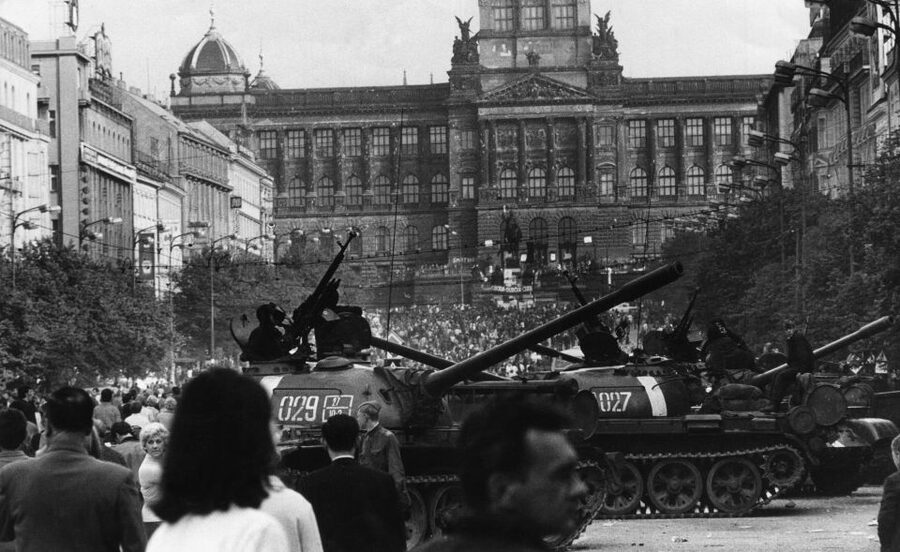
- Prague Spring and the Warsaw Pact Invasion: When Hope Meets Force
- Normalization, Plastic People, and Charta 77: Culture as a Battleground
- Václav Havel and the Velvet Revolution: How Power Leaves the Building
- Municipal House, the Jewish Quarter, Dancing House, and Wenceslas Square: Landmarks With a Memory
- Price and Value for a $34, 2.5-Hour Story
- Who Should Book This Tour, and Who Might Skip It
- Should You Book This Prague WWII and Communist History Tour?
- FAQ
- How long is the tour?
- What is the starting location?
- How much does it cost?
- Is the tour guided and what language is it in?
- What will we see and learn on the tour?
- Can I cancel and get a refund?
- Can I book without paying right away?
Key points I’d prioritize
- WWII to Communism in one connected walk: you hear how the same city could be “progressive” then brutalized, then tightly controlled.
- Operation Anthropoid focused stops: you visit key places tied to the resistance and the aftermath.
- Resistance and repression side by side: you learn the up-close story, not just the headline facts.
- Dissidents explained through real movements: Plastic People of the Universe and Charta 77 show how culture got policed.
- Prague Spring to 1989: the guide links hope, crackdown, and the Velvet Revolution without losing the thread.
- See the skyline of eras: Municipal House, Dancing House, and Wenceslas Square each help the story land.
Further wartime ground covered in Prague
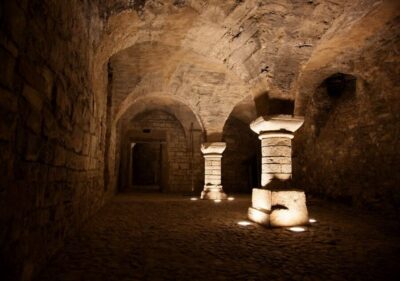
- Prague: WWII Guided Tour & The Crypt of Operation Anthropoid★ 4.7 · 1,030 reviews
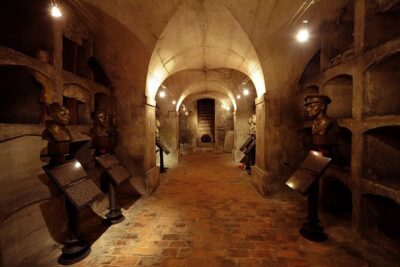
- WWII in Prague Tour & The Crypt of Operation Anthropoid★ 5.0 · 817 reviews
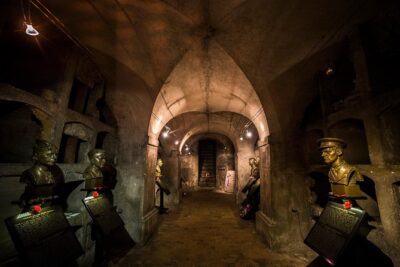
- Small-Group World War 2 & Operation Anthropoid Tour in Prague★ 5.0 · 231 reviews
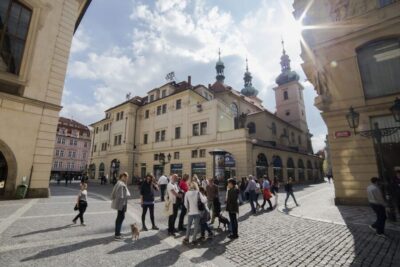
- Prague: World War 2 and Operation Anthropoid Walking Tour★ 4.8 · 193 reviews
Walking Into Prague’s 20th Century, One Stop at a Time
This tour works because it does not treat 20th-century Prague like a separate museum exhibit. You walk the city as it exists now, then the guide layers in what happened here when the streets were under Nazi occupation, then Communist control, and finally a sudden political thaw.
I like tours that give me a story arc, not just dates. This one does that. The guide takes you from the nightmare of occupation, through the Czech uprising and Communist takeover, and then into the long years when the state pushed back hard on dissent. By the time you reach the Prague Spring and the Warsaw Pact invasion, it stops feeling like distant history and starts feeling like a pattern you can recognize in politics anywhere.
You also get a rare mix of intensity and readability. People often think “dark history” means humor is off-limits. Here, it is not. Guides use light moments to keep the day moving, then they tighten the tone when the facts demand it. One reason this tour earns such high marks is that the telling stays human.
The tour also avoids the easy out of prettifying the past. If you are paying attention, you will notice the guide does not sanitize how power works, who benefited, and what the consequences were for ordinary people.
Where You Start: Týnská in Staré Město and the Point of No Return
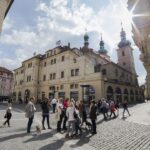
You meet at Týnská 639/4 in Staré Město. That location matters because you are starting in the part of Prague that visitors already feel they understand, which makes the later shocks more effective. The guide builds a sense of “this is the real city, not a set,” then the story uses landmarks to explain how control and resistance played out in everyday space.
If you have walked Prague’s old streets before, you will likely notice a shift in how you see them. A square becomes more than a photo spot. A building becomes a clue. The guide turns architecture into context: where authorities gathered, where communities lived, and how public space shaped what people could say and do.
Practical note: this is a walking tour built for a focused route, not a casual stroll. Comfortable shoes help. You will be outdoors for much of the time, so bring a rain layer if the forecast looks iffy.
Nazi Occupation and Resistance: What the Streets Teach About Fear
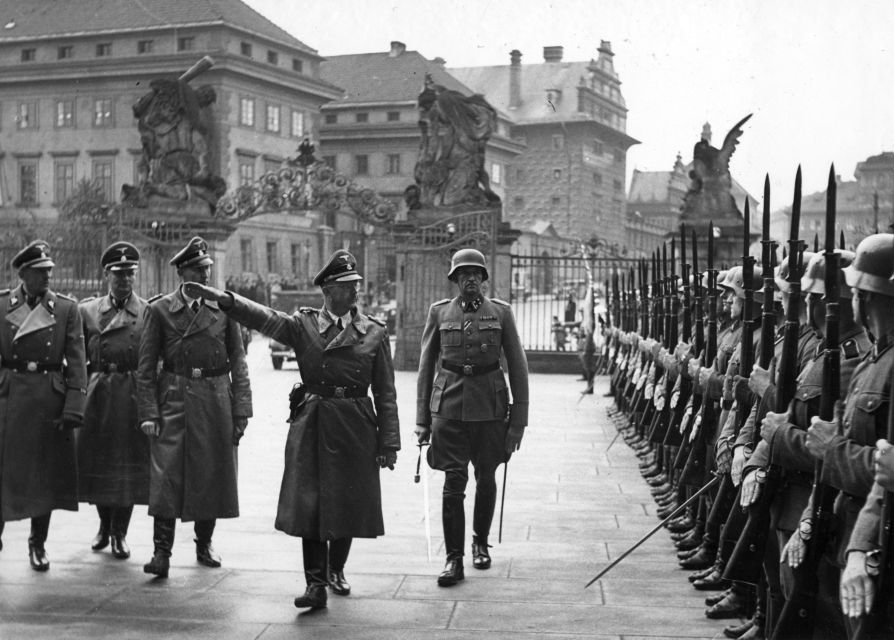
One of the strongest parts of the tour is how it explains the Nazi occupation as more than a timeline. The guide shows how a European state that had momentum and industry could be turned into a nightmare through coercion, surveillance, and violence.
Then comes resistance, which is where the tour gets especially memorable. You will learn about the Czech uprising and the ripple effects of resistance actions. The guide brings in Operation Anthropoid, and you get moments that feel like the story suddenly has weight, because you are standing near the sites tied to that operation.
Some of the best learning happens when the guide connects the action to what followed. Resistance in WWII is not only daring. It is also risky, and the consequences often hit communities. The guide frames that with clear cause and effect, so you understand why people fought, and why the Nazis retaliated so fiercely afterward.
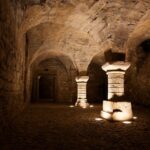
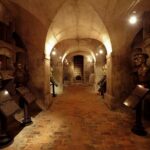
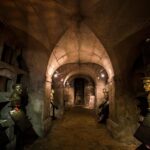
You also get a poignant stop tied to where resistance fighters hid. One reviewer highlighted a church crypt stop connected to the resistance, and that makes sense because it anchors the emotional tone of the operation in a place where secrecy and vulnerability were once real.
If you care about WWII beyond the broad outline, this tour gives you a way to remember it. You will leave with a mental map of themes: occupation pressure, the logic of resistance, and the brutal retribution that came next.
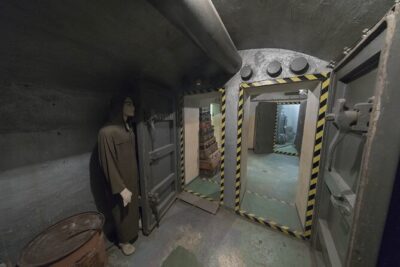
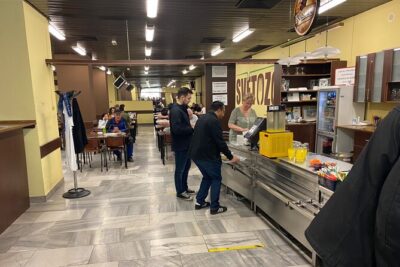
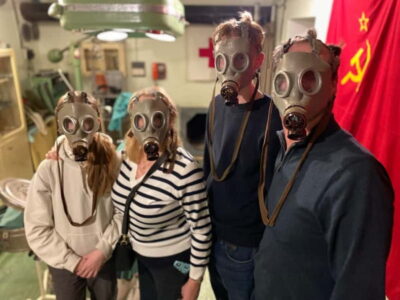
Walking the 1948 to 1989 chapters of Prague
The Postwar Turn: Communist Coup, Disappointment, and a New Kind of Control
After the war, the story does not sprint into 1989. It slows down, and that is where you start understanding why Prague’s Communist era lasted so long.
You hear about the Communist coup and the letdown that followed. This part matters because it counters a simple myth that “evil powers take over once, and that’s the end.” Instead, the guide shows how control got installed, adjusted, and reinforced through institutions and fear.
This is also where you learn why everyday life changed. Communism was not only political. It shaped culture, speech, and personal risk. That is why stops like the Municipal House and central public areas can feel oddly relevant once the guide connects them to mass meetings, authority, and the theater of power.
The guide also helps you understand the emotional whiplash of the era. People were not just living under an enemy occupying army. They were living under a system that claimed legitimacy, promised order, then demanded obedience.
If you like learning with nuance, you will appreciate this tone. It is not just “Nazis bad, Communists bad.” It is about how each regime used different tools, and how Czech people navigated those pressures.
Prague Spring and the Warsaw Pact Invasion: When Hope Meets Force
Prague Spring is one of those moments that visitors have heard of, but many people do not understand the full emotional swing. This tour does a good job of making it feel like hope with a short fuse.
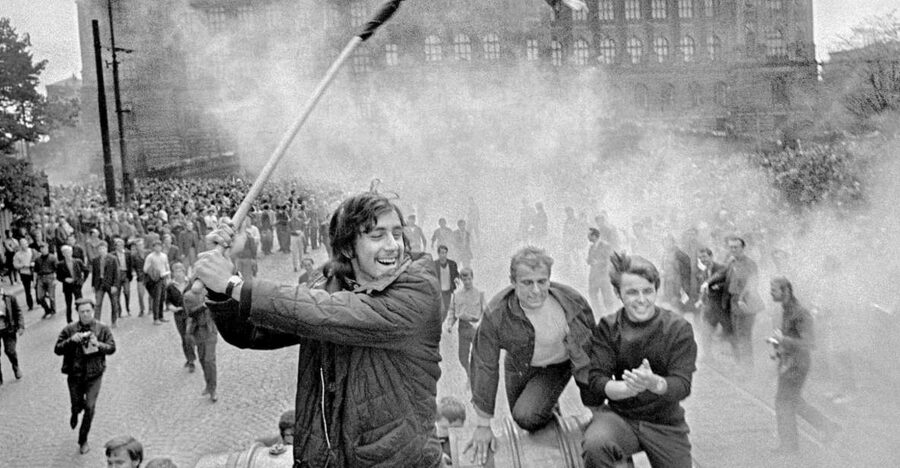
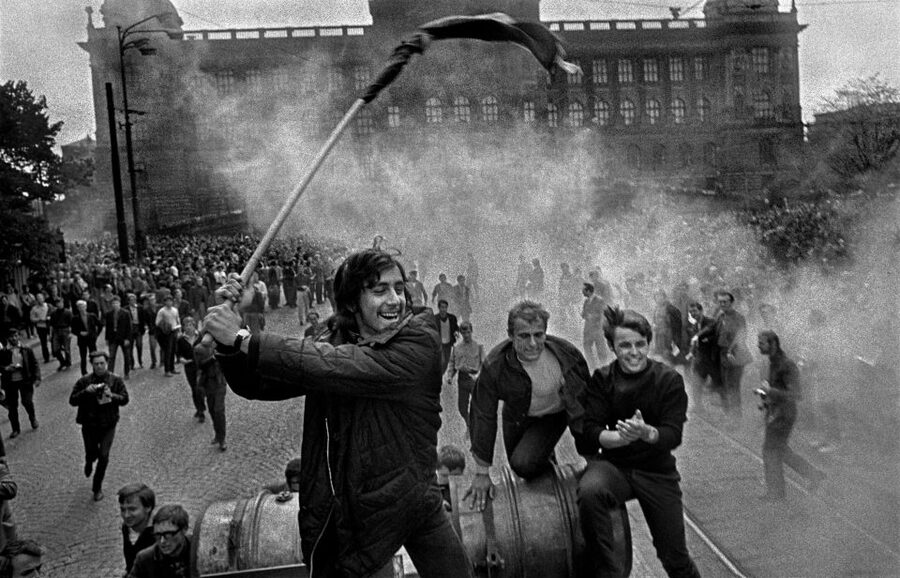
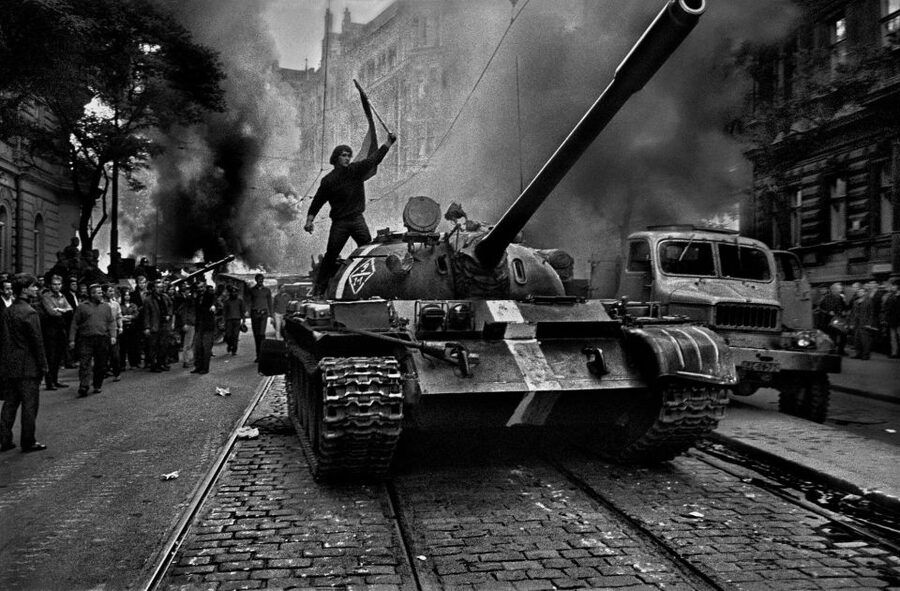
You hear about the euphoria of Prague Spring, then the trauma of the Warsaw Pact invasion. The guide frames the invasion not only as a military event but as an interruption to a political and cultural awakening. Suddenly, you see why “hope” in 1968 was both real and fragile.
What helps is how the guide connects the political story to the lived atmosphere. You can almost sense why people hoped for reforms, then feared the reaction. This is the moment where the tour stops being only informational and starts feeling like a lesson in risk.
If you are the type who likes to understand why people supported change, you will probably feel something here. If you prefer lighter themes, you might find this section emotionally intense. That is normal. The point is to understand what was at stake.
Normalization, Plastic People, and Charta 77: Culture as a Battleground
After the invasion, the tour follows the long shadow years. The guide explains Normalization and how repression worked when open political change was shut down.
This is where the experience becomes especially “Prague.” Instead of talking only about party officials, you hear about how dissent showed up in culture, in small groups, and in written statements that the state treated as dangerous.
Plastic People of the Universe gets attention for a reason. Art did not stay in art. It became evidence that people could think outside approved lines. Charta 77 shows how dissidents tried to push back with documents, pressure, and moral clarity.
The guide’s handling here is one reason many people rate the tour so highly. It is not abstract. It tells you why a band, a group, or a text could threaten a regime. It also shows the cost.
I also like the way the tour ties those dissident stories to the later political shift. You see how the Velvet Revolution was not random. It was built by years of courage, organizing, and refusing to let fear be the only voice in public.
Václav Havel and the Velvet Revolution: How Power Leaves the Building
By the time the tour reaches the Velvet Revolution, it feels less like a history lecture and more like a story with an ending you can understand.
You learn about Václav Havel, then you hear how a mix of dissidents, writers, and public figures were swept to power in 1989. The guide’s framing matters. The revolution is described as a result of many threads coming together, not as a single heroic moment.
You also get the euphoria angle again, but this time it lands with a different flavor. After Normalization, it is not just hope. It is the release of years of tension.
If you are visiting Prague with a partner or friends, this is usually the part where the conversation turns from “what happened” to “how could it happen.” The guide helps you see that revolutions still need momentum, organization, and timing.
You leave this part with a clearer understanding of why Havel became a symbol, and why those years still shape Prague’s identity today.
Municipal House, the Jewish Quarter, Dancing House, and Wenceslas Square: Landmarks With a Memory
The tour does not rely on one museum stop to do all the work. It uses the city itself.
Municipal House stands out because it is the kind of landmark that signals civic pride and public life. Once the guide explains its relationship to officialdom and public gatherings, it stops being only a beautiful building and becomes a stage.
The Jewish Quarter adds another layer, because it reminds you that WWII in Prague was not only about politics. It was also about communities shattered by persecution. The guide connects the Nazi occupation story to what happened to Jewish residents, and that makes the WWII sections feel even more grounded.
Dancing House offers a different sort of lesson. It gives you visual contrast when the tour turns from oppression toward change. Even if you are not a design fan, it helps the story feel like a city moving through eras, not just a city stuck in one tragic chapter.
Then there is Wenceslas Square. It is the kind of place where mass emotion can gather. Once the guide ties it to events leading toward 1989, it becomes more than a major thoroughfare. It becomes a symbol of public life under pressure, and public life in motion again.
A small but important benefit: the guide keeps pointing out what you might otherwise miss. You start noticing the way Prague’s streets offer both continuity and contrast. That is why these stops matter together.
Price and Value for a $34, 2.5-Hour Story
At $34 per person for a 150-minute walking tour, this is strong value if you want a structured connection between WWII and Communist Prague. The price makes sense because you are not just buying access to a few sites. You are paying for the guide who stitches the places into a coherent narrative.
The experience also has a practical advantage: it is short enough to fit into a normal Prague schedule. You can add it after a day of lighter sightseeing and still end up with an emotional, memorable evening story.
One reason people keep recommending it is that the tour hits a sweet spot between depth and momentum. You get enough detail to make the story stick, but you do not get trapped in an endless lecture. And if you are traveling with someone who is not a history fanatic, the guide’s humor and storytelling style can keep them engaged.
If you are the kind of traveler who likes to follow up afterward, the tour can even help you choose films. One group came away with strong film suggestions and watched Anthropoid and Munich afterward, which is a great way to reinforce themes you learned on the street.
Who Should Book This Tour, and Who Might Skip It
This tour is best for you if you want context, not just facts. You will probably enjoy it most if you like:
- WWII and Communist-era history that connects policy to real places
- tours with names, motivations, and consequences
- a guide who tells stories with energy and keeps the timeline clear
You might think twice if you are sensitive to harsh topics, or if you are hoping for an easy, feel-good city walk. Even when the guide uses humor, the subject matter is brutal. This is not a “nice Prague photos” tour.
Group dynamics can also matter. One review mentioned a small group felt close to private, which can be a big deal when you want to ask questions. If you prefer quiet, you may want to be ready for a lively guide and a moving pace.
Should You Book This Prague WWII and Communist History Tour?
Book it if you want Prague history that makes your brain work in the best way. You will see key landmarks, but more importantly, you will understand how WWII occupation, resistance, Communist takeover, Prague Spring, Normalization, and 1989 connect in one long chain of cause and effect.
Skip it only if you cannot handle the heavy parts, or if you already know all the political milestones and you are looking for a lighter theme. Otherwise, this is one of the most efficient ways to turn a few city blocks into a real education.
If you do book it, go in with one simple mindset: the city is the textbook. Then let your guide do the hard part, which is making those pages readable.
FAQ
How long is the tour?
The tour lasts 150 minutes, which is about 2.5 hours.
What is the starting location?
You meet at Týnská 639/4, Staré Město, 110 00 Praha-Praha 1, Czechia.
How much does it cost?
The price is $34 per person.
Is the tour guided and what language is it in?
Yes. It is a live tour with an English guide.
What will we see and learn on the tour?
You will visit key locations connected to WWII and the Communist era, learn about the Nazi occupation and resistance, and discover where the Nazi security services chief was assassinated.
Can I cancel and get a refund?
Yes. You can cancel up to 24 hours in advance for a full refund.
Can I book without paying right away?
Yes. You can reserve now and pay later.
More Tour Reviews in Prague
Between 1948 and 1989
Wartime Ground in Prague
Freshly written up in Prague
- World War II 4WD Tour from Prague with Lunch
★ 4.4 · 3 reviews - World War II History Tour of Prague’s Old Town
★ 5.0 · 3 reviews - Welcome to Prague – Private Tour with Licensed Guide
★ 5.0 · 3 reviews - Gourmet Brunch with Chef: Unlimited Drinks & Stunning River Views
★ 5.0 · 3 reviews - VIP Prague Segway Tour Around Monastic Breweries
★ 4.0 · 3 reviews
WWII & Operation Anthropoid Tours, compared.
 ★ 4.7WWII Guided Tour & The Crypt of Operation AnthropoidFrom $421,030 reviews
 ★ 5.0WWII in Prague Tour & The Crypt of Operation AnthropoidFrom $43817 reviews
 ★ 5.0Small-Group World War 2 & Operation Anthropoid Tour in PragueFrom $33231 reviews
 ★ 4.8World War 2 and Operation Anthropoid Walking TourFrom $32193 reviews
 ★ 4.7Communists and World War II TourFrom $2988 reviews
 ★ 5.0Half-Day WWII Prague Walking TourFrom $4768 reviews
 ★ 4.93–Hour Communism and World War 2 E-Bike TourFrom $7456 reviews
 ★ 5.0Second World War & Communism (Tip-based 3 hour tour)From $347 reviews
Browse the lists this tour appears in