
REVIEW · COMMUNIST PRAGUE & COLD WAR HISTORY
Prague: Communism History and Nuclear Bunker Guided Tour
Communism gets real when you step underground. This Prague tour pairs a street-level look at the Communist era with a visit to a real nuclear bunker and a gasmask workshop, so the history lands where it mattered: in fear, rumors, and daily choices.
My favorite part is the human scale, then the hard physical reality once you go down 50 feet into Cold War space. One thing to consider: this is a walking tour with stairs and a confined bunker visit, so it is not a good match if you have mobility limits or claustrophobia, and there are no toilets at the start.
Key highlights to look for
- A real 1950s nuclear bunker, built to shelter up to 5,000 people
- Cold War museum exhibits with genuine equipment and time-period displays
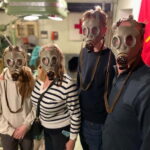
- Gasmask workshop, tying the fear of nuclear threat to practical drills
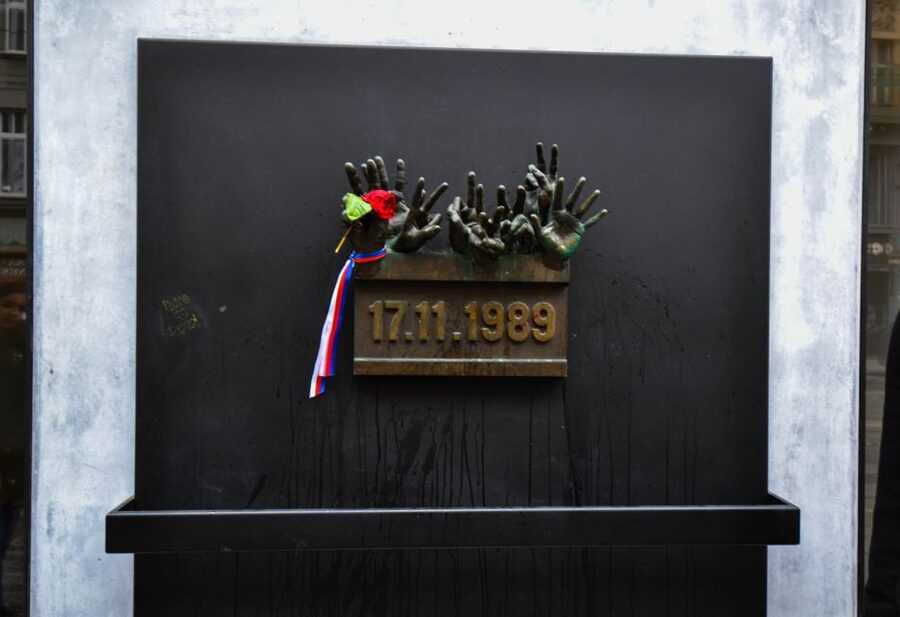
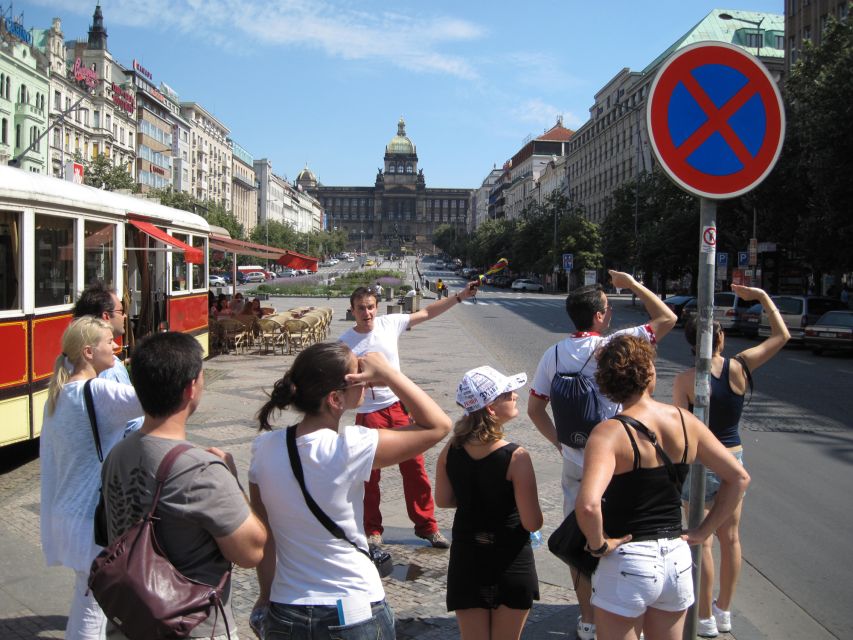
- Street stops tied to 20th-century Prague, including the Velvet Revolution Memorial and Wenceslas Square
- Guides with firsthand context in German or English, including names like Stan, Ladislav, Pavel, Katerina, and Susanna
In This Review
- Why This Prague Communism and Bunker Tour Feels Different Than Usual History Stops
- Downtown Prague Stops That Set Up the Cold War Mindset
- The Tram Ride Out: Getting Away From the Tourist Bubble
- Going Down Into the 1950s: Inside a Real Nuclear Bunker
- Museum Exhibits and the Tone of Cold War Everyday Life
- The Gas Mask Workshop: What Preparedness Meant
- The Guides Make or Break This Kind of Tour
- Walking, Stairs, and the 150 Minutes in Real Life
- Price Value: Is $44 Worth It?
- Who Should Book This Tour, and Who Should Skip It
- Should You Book This Prague Communism and Nuclear Bunker Tour?
- FAQ
- How long is the Prague Communism and Nuclear Bunker Guided Tour?
- What language is the tour offered in?
- Is entry to the nuclear bunker museum included?
- Is public transportation included?
- What is included besides the bunker visit?
- How deep is the nuclear bunker?
- Can I bring a wheelchair or stroller?
- Is video recording allowed inside the bunker?
- Are there toilets at the starting point?
- Where does the tour finish?
Why This Prague Communism and Bunker Tour Feels Different Than Usual History Stops
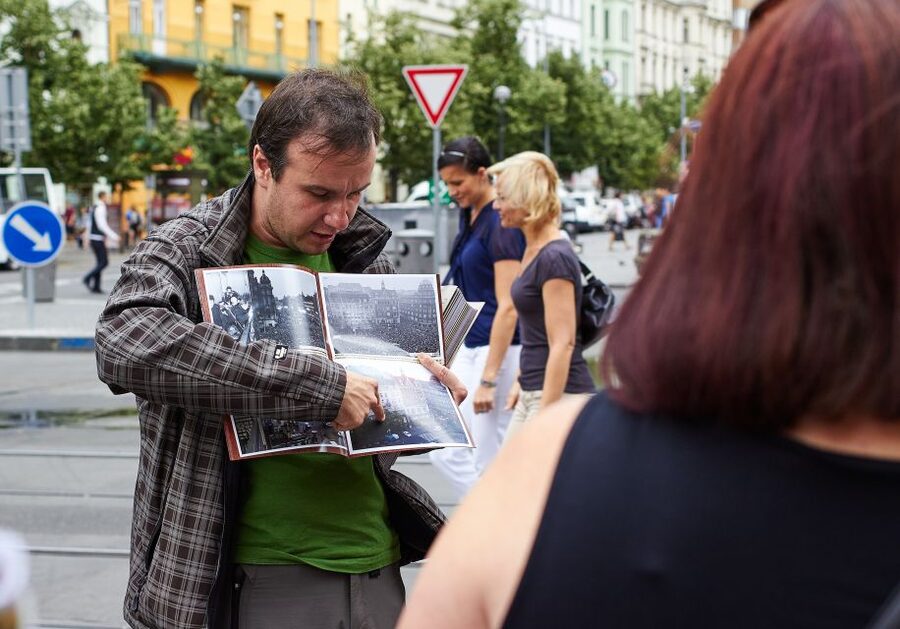
Prague has no shortage of history tours. But this one makes a smart move: it starts with the story of power and control in the city, then drops you into the infrastructure built for the worst-case scenario. That shift is the whole point. You do not just learn about the Cold War, you see how it was planned for and rehearsed.
I also like that the tour does not treat Communist rule like a distant textbook topic. The tour is built around paranoia and daily life under a system where spying and fear were part of the atmosphere. From the guide style praised by people like Stan, Ladislav, Pavel, and Katerina, you can expect a mix of facts and personal context, often with a dry sense of humor that helps you stay present without making light of the subject.
One more thing I appreciate is the scope for the time you spend. In about 150 minutes, you get a city walk, public transport to the bunker, and a guided visit inside underground space, plus museum exhibits and a workshop. For $44, that is strong value when you consider the combination of guide time, museum entry, and transport.
Walking the 1948 to 1989 chapters of Prague
- Prague: Communism History and Nuclear Bunker Guided Tour★ 4.7 · 2,417 reviews
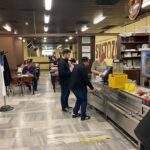
- Communism & Nuclear Bunker Tour + 70s Canteen Lunch (own expense)★ 5.0 · 1,036 reviews
- Prague: Communism and Bunker Tour with 70s Canteen Lunch★ 4.8 · 250 reviews
- Prague: World War II and Communist History Tour★ 4.7 · 130 reviews
Downtown Prague Stops That Set Up the Cold War Mindset
The day begins with a short guided stretch through central locations that helped shape modern Czech identity and memory. You will hear the Communist-era storyline connected to major Prague landmarks rather than wandering randomly. If you want the big picture, this start matters because it tells you what kinds of institutions and public spaces shaped people’s choices.
A few of the stops that stand out include:
- The Velvet Revolution Memorial, where the narrative turns toward resistance and the end of one era
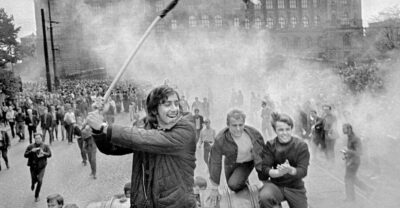
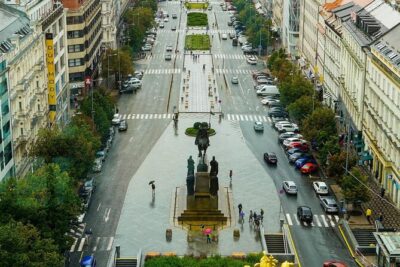
- Wenceslas Square, a stage for public pressure and political change
- Areas around Národní where the tour links national life to political struggle
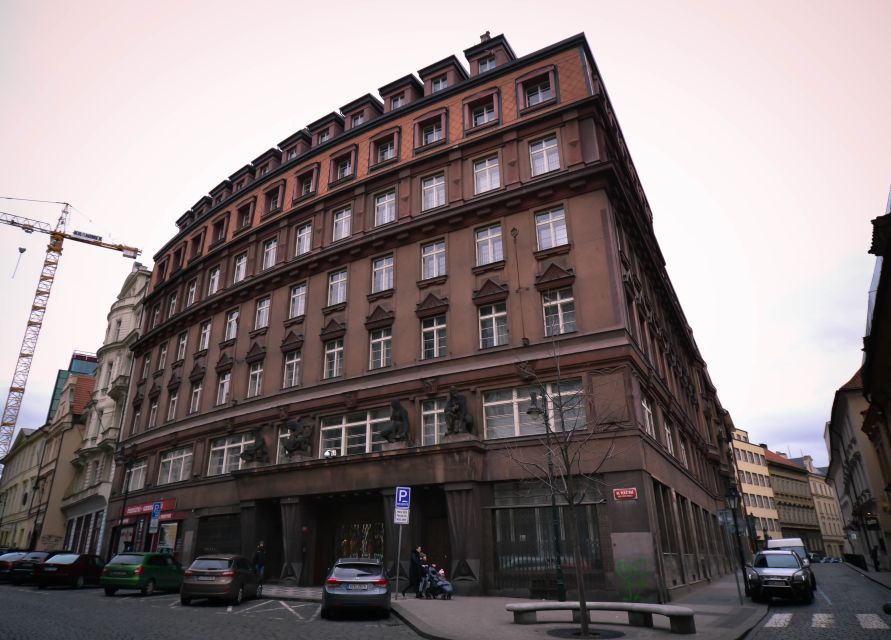
You will also cover major symbolism from the Communist period, including the story of the biggest statue of Stalin ever built and the former headquarters of the Communist secret police. Those details sound dramatic, but they are useful because they show how the regime used space and spectacle to control people’s attention. In practical terms, you finish the walk with a clearer sense of why the bunker was not just a military idea, it was a psychological plan.
One drawback of this setup: because the tour is part walking, part transport, you need comfortable shoes. If your feet get annoyed easily, the early rhythm can feel a bit fast. Still, the pacing helps keep the context fresh when you later go underground.
The Tram Ride Out: Getting Away From the Tourist Bubble
After the central stops, you transfer by public transportation to the bunker area. This is included, and it is also one of the quiet benefits of the tour.
I like that the ride moves you beyond the postcard center. Prague’s outskirts feel different, and that contrast helps underline what the tour is really about: ordinary people living under an extraordinary system. Several guides are noted for keeping the group organized during transit, so you are not left wandering with your phone map out.
Do not expect the bunker visit to feel like a drive-thru museum stop. The guide keeps the timing moving so you are ready for the underground portion when you arrive.
Going Down Into the 1950s: Inside a Real Nuclear Bunker
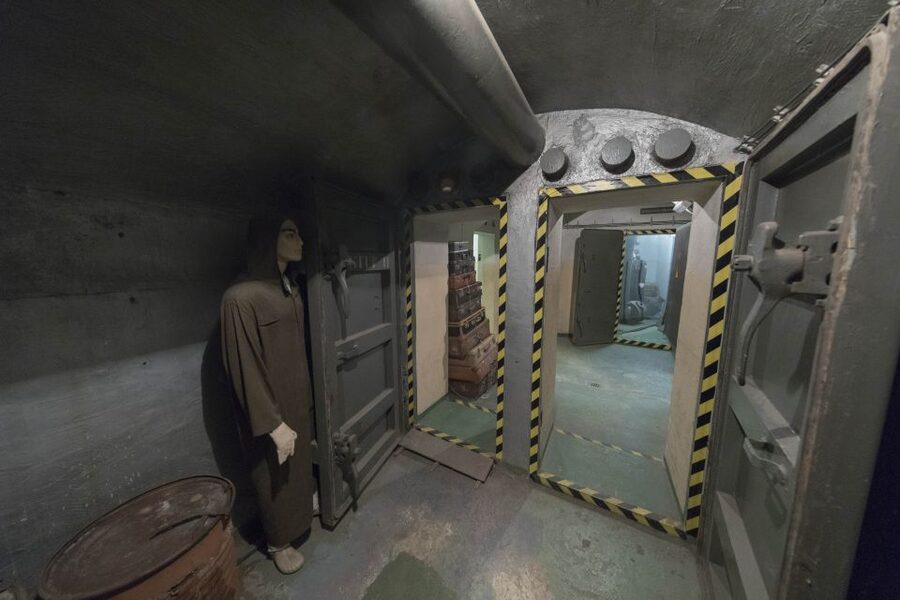
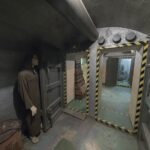
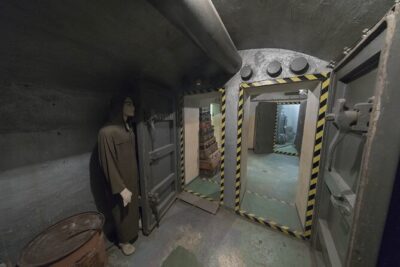
Now for the main event: the nuclear bunker. This is where the tour earns its name. You go to a real bunker from the 1950s located about 50 feet underground, and you tour it with commentary.
The bunker was designed to hold up to 5,000 people, and that number changes how you interpret the space. It is not a small survival room. It is a designed environment for mass shelter, built around a Cold War idea of systems, schedules, drills, and control. When you picture what that means, the exhibits stop being dramatic stories and start feeling like real planning.
What you will see in the underground areas is a blend of:
- Cold War time expositions
- Genuine equipment and period artifacts
- Interpretive stops that connect the bunker to the larger Communist story
The emotional tone tends to land in two directions at once. First, it is unsettling. The whole point is practicing for catastrophe. Second, it is oddly grounding, because the exhibits focus on human routines and how people were expected to behave.
A balanced note: one guest specifically pointed out that some bunker exhibits may look tired or in need of maintenance. It is worth knowing because this is not a freshly upgraded, glossy attraction. If you prefer perfectly polished displays, you might notice wear. If you care more about authenticity and atmosphere, that worn-in feel usually fits the subject.
Bookings around Prague our notes circle repeatedly
Museum Exhibits and the Tone of Cold War Everyday Life
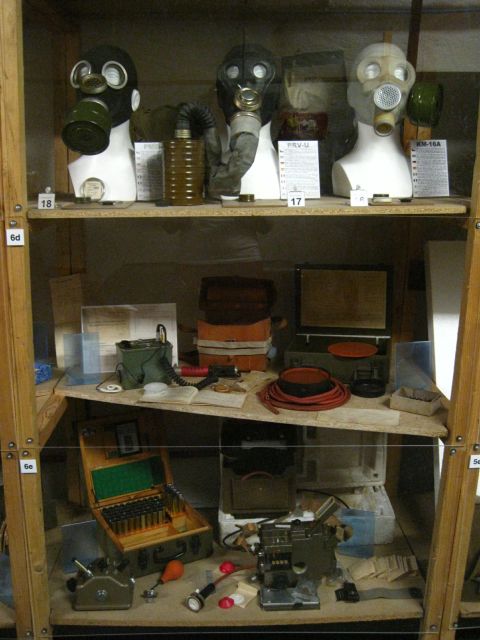
After you are inside the bunker complex, the tour continues into the nuclear bunker museum portion, including additional Cold War displays. This is where the tour broadens beyond the architecture and into the mindset.
You get explanation that ties Communist rule to real life patterns: paranoia, spying, and the fear that came from violence and political repression. The guide also includes stories about spies, political prisoners, cold war refugees, dissidents, and other authentic perspectives. That range matters because Communist history is not just one event. It is a long pressure system that affected different kinds of people in different ways.
If you like history that reads like a story instead of a list of dates, this part is for you. Many praised guides are described as telling the material in a human way, then backing it up with concrete facts.
One practical detail: photos are allowed, but video recording is not unless you get extra permission. So bring a camera-ready mindset, not a filming plan.
The Gas Mask Workshop: What Preparedness Meant
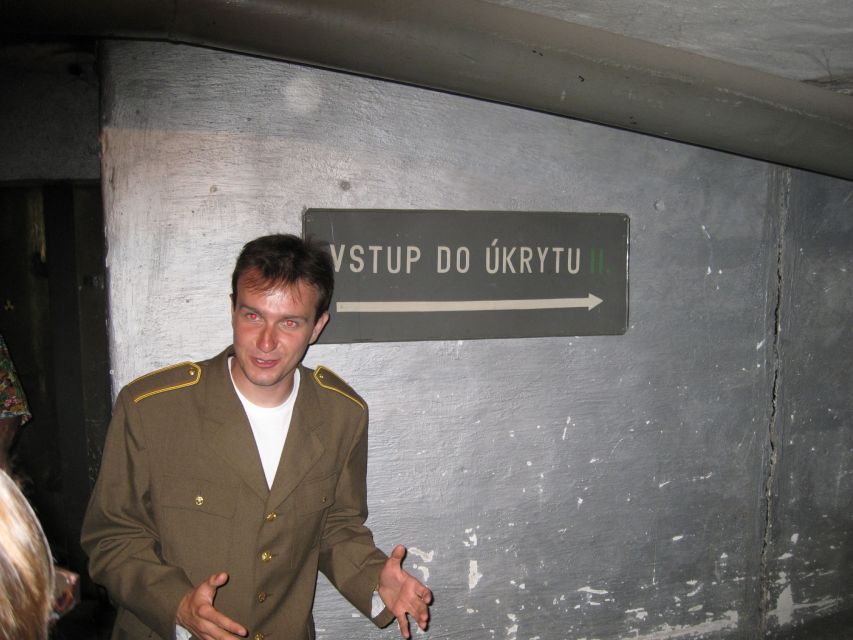
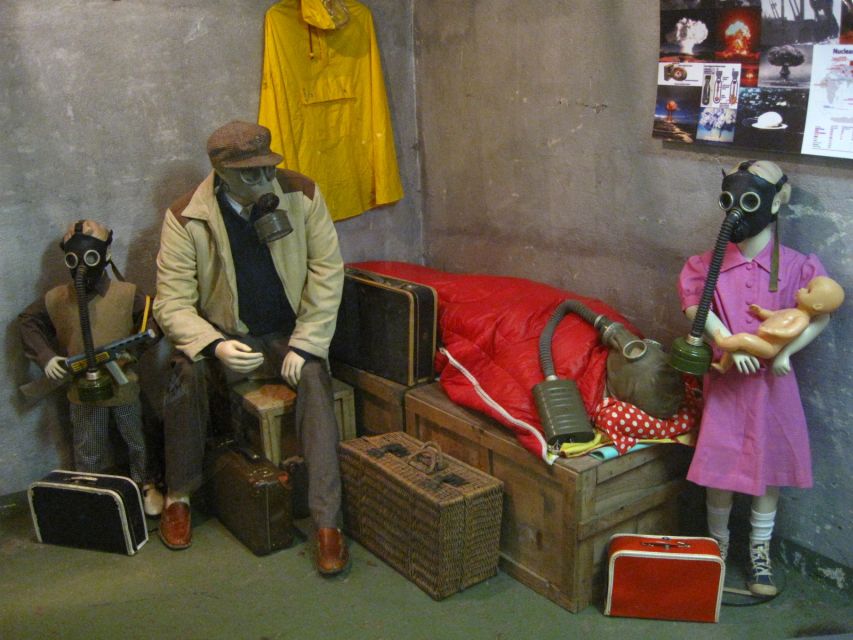
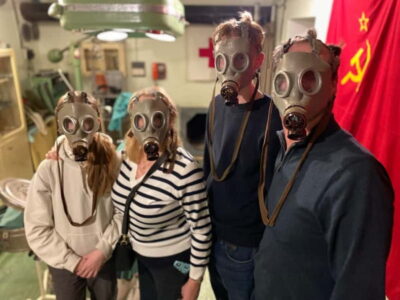
The tour’s most memorable hands-on element is the gasmask workshop. This is included as part of your underground museum time.
Why it matters: a bunker visit can feel like a static “scary place” experience. The gasmask workshop turns it into something more specific and more believable. Nuclear fear was not just in speeches. It became equipment, training, and routine.
You do not need to be an expert to enjoy it. The workshop is designed to teach, and even people who are not history buffs tend to find it practical and striking. It gives you a physical sense of what it meant when the threat felt real and immediate.
If you are sensitive to dust or indoor air, bring your own face mask. One guest’s tip suggested the dust level is acceptable but could bother people with allergies. Inside underground spaces, that is good advice.
The Guides Make or Break This Kind of Tour
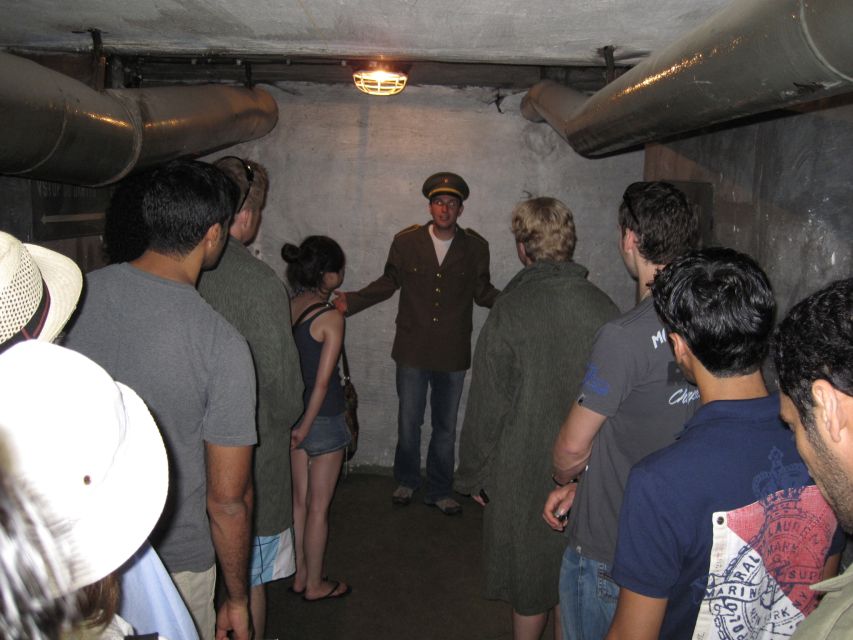
This tour depends on the guide, and the reviews you provided make that clear. Names that came up repeatedly include Stan, Ladislav, Pavel, Katerina, Susanna, and Maki, with multiple guides described as funny and approachable without turning grim events into jokes.
I care about that balance. Communism and Cold War fear are heavy topics. You want a guide who can explain clearly, but also keep the group moving and help you connect details into a story you can remember. The guides credited for great performance were praised for personal anecdotes and for speaking with nuance, not just reciting facts.
Another big strength mentioned: guides managing the group during walking and transit, including keeping track of everyone on the tram. On a tour like this, that matters because timing inside the bunker can get tight.
Language is also important. The tour requires you to speak the chosen language for safety, so pick English or German and stick with that. You will not be able to translate during the tour.
Walking, Stairs, and the 150 Minutes in Real Life
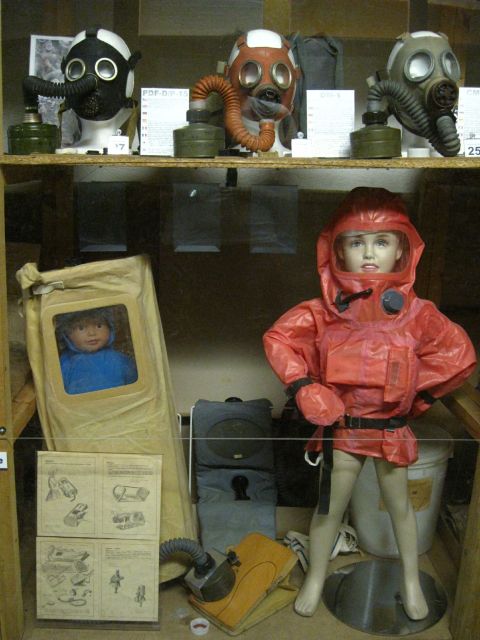
The tour runs about 150 minutes total, and the timing can vary by about 10 minutes depending on group size. You should treat it as a half-day commitment that mixes walking in central Prague with a transit segment and then a longer, guided bunker visit.
What to expect in terms of effort:
- A walking portion through central landmarks
- Transfers using public transportation
- A bunker museum experience that involves underground walking and stairs
You also need to know what it does not fit. It is not possible for wheelchair users or for people with mobility impairments. It is also not suitable for claustrophobia, and the info specifically flags caution for people with heart issues and attention disorder. It is not for infants or the smallest children under school age, and there are no toilets at the starting point.
This matters because people often assume a “museum tour” is sedentary. This one is not. Wear comfortable shoes and plan your day so you are not rushing before or after.
Price Value: Is $44 Worth It?
At $44 per person, the deal is mostly about what you get packaged together.
You are paying for:
- A live guide for the full experience
- Public transportation to and from the bunker
- Entry to the bunker museum and exhibitions
- A special gasmask workshop
- A guided visit that includes time underground, about 70 minutes for the bunker portion
If you priced those items separately, you would likely spend more. A guided museum talk alone can cost close to that. Add the transport and workshop, and the math improves quickly. The separate entrance that lets you skip the line also saves time if the site is busy.
So yes, I think $44 is fair, especially because it is not just a bunker photo stop. It is guided interpretation tied to Prague’s Communist past.
Who Should Book This Tour, and Who Should Skip It
I think this is a strong fit if you:
- Want Cold War history that feels grounded in real spaces
- Like guides who share stories with human detail
- Enjoy learning from a mix of city landmarks and a primary site underground
- Appreciate hands-on elements like the gasmask workshop
It is not the best choice if you:
- Need wheelchair access or have serious mobility limitations
- Have claustrophobia
- Want a low-walking tour
- Are traveling with very young children (it is not designed for infants or the smallest children)
If you do fit the tour’s limits, you will likely appreciate how the guide connects the Communist era from streets to underground. That connection is what makes it more than a museum visit.
Should You Book This Prague Communism and Nuclear Bunker Tour?
If your Prague plan includes more than one “history stop,” choose this one when you want something specific: a real bunker, a guided Cold War museum visit, and a workshop that makes the fear feel tangible. At $44, with transport and museum access included, it is a practical value. If you like your history direct and human, you will probably leave thinking longer than you expected.
But if you are prone to panic in confined spaces, or if walking and stairs will be a problem, skip it. There are plenty of ways to learn Prague’s Communist story without the underground component.
FAQ
How long is the Prague Communism and Nuclear Bunker Guided Tour?
The tour lasts about 150 minutes, and the exact timing may vary by about 10 minutes depending on group size.
What language is the tour offered in?
The live guided tour is available in German and English.
Is entry to the nuclear bunker museum included?
Yes. Entry to the nuclear bunker museum and its exhibitions is included.
Is public transportation included?
Yes. Public transportation to and from the bunker is included as part of the tour.
What is included besides the bunker visit?
The tour includes a visit to the nuclear bunker museum and a special gasmask workshop.
How deep is the nuclear bunker?
It is a real nuclear bunker built in the 1950s located about 50 feet underground.
Can I bring a wheelchair or stroller?
No. The tour is not possible for wheelchair users or for baby strollers due to walking and stairs.
Is video recording allowed inside the bunker?
Photos are allowed, but video recording is not allowed unless you get extra permission.
Are there toilets at the starting point?
No, there are no toilets at the starting point.
Where does the tour finish?
The tour finishes at Malé Náměstí.
More Tours in Prague

More Tour Reviews in Prague

Between 1948 and 1989
Freshly written up in Prague
- World War II 4WD Tour from Prague with Lunch
★ 4.4 · 3 reviews - World War II History Tour of Prague’s Old Town
★ 5.0 · 3 reviews - Welcome to Prague – Private Tour with Licensed Guide
★ 5.0 · 3 reviews - Gourmet Brunch with Chef: Unlimited Drinks & Stunning River Views
★ 5.0 · 3 reviews - VIP Prague Segway Tour Around Monastic Breweries
★ 4.0 · 3 reviews
Communist Prague & Cold War History, compared.
 ★ 5.0Prague Communism History and Nuclear Bunker TourFrom $451,742 reviews
 ★ 5.0Communism & Nuclear Bunker Tour + 70s Canteen Lunch (own expense)From $351,036 reviews
 ★ 4.8Communism and Bunker Tour with 70s Canteen LunchFrom $33250 reviews
 ★ 4.7World War II and Communist History TourFrom $34130 reviews
 ★ 4.93–Hour Communism and World War 2 E-Bike TourFrom $7456 reviews
 ★ 5.0Second World War & Communism (Tip-based 3 hour tour)From $347 reviews
 ★ 5.0Communism and World War 2 Prague City TourFrom $7833 reviews
 ★ 4.5Prague Communism and World War II Walking TourFrom $3028 reviews
Browse the lists this tour appears in