

REVIEW · WWII & OPERATION ANTHROPOID TOURS
Prague Communism and World War II Walking Tour
Prague’s 20th century hits harder on the street. This walking tour turns major turning points into a clear, chronological route, guided by local storytellers who connect WWII, communism, and the Velvet Revolution. I like how you get city orientation fast, while still learning real details like Operation Anthropoid and the Prague Spring invasion.
The biggest plus is the human angle. Guides share what it felt like to live through the communist years, including firsthand accounts from people who were young during 1989. The one drawback to plan for is that this is a politics-heavy walk, so if you want only architecture and casual sightseeing, you may find it emotionally intense and lecture-like at times.
In This Review
- Key things I’d watch for before you go
- Why this Prague communism and WWII walk makes sense
- Křižovnické náměstí: the Old Town Bridge view and a vanished Stalin
- New Town’s turning points: from Habsburgs to Czechoslovakia, then occupation
- Wenceslas Square: 1968 tanks, 1969 sacrifice, and 1989 on your route
- Guides matter here: first-hand stories and personal perspective
- Timing, walkability, and what to expect from the route
- Price and value: what $30.12 buys you in context
- Who this tour suits best
- Final call: should you book this Prague communism and WWII walk?
- FAQ
- How long is the Prague Communism and World War II walking tour?
- How much does the tour cost?
- Where does the tour start?
- What time does the tour start?
- Is food included?
- What language is the tour offered in?
- Is admission included at the stops?
- Is there a mobile ticket?
- What is the group size limit?
- What is the cancellation policy?
- Are children allowed?
Key things I’d watch for before you go
- Clear timeline, not random stops, so the big picture makes sense quickly
- Stalin’s statue story and how memory changes the city
- WWII and Operation Anthropoid in a city-walk format
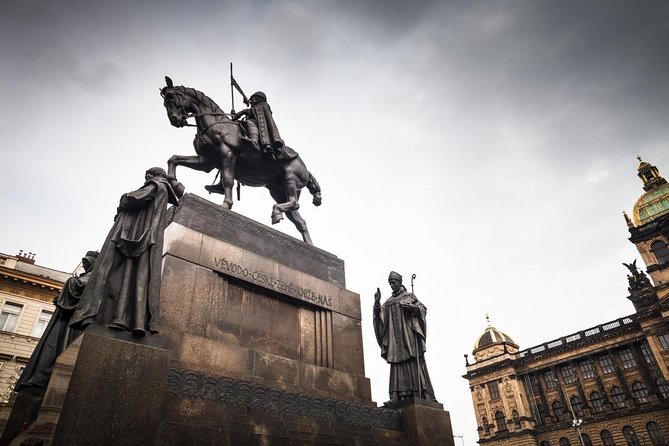
- Wenceslas Square focus, from 1968 tanks to the 1969 student sacrifice and 1989 Velvet Revolution
- Small group feel, with a maximum of 25 people
Further wartime ground covered in Prague
- Prague: WWII Guided Tour & The Crypt of Operation Anthropoid★ 4.7 · 1,030 reviews
- WWII in Prague Tour & The Crypt of Operation Anthropoid★ 5.0 · 817 reviews
- Small-Group World War 2 & Operation Anthropoid Tour in Prague★ 5.0 · 231 reviews
- Prague: World War 2 and Operation Anthropoid Walking Tour★ 4.8 · 193 reviews
Why this Prague communism and WWII walk makes sense
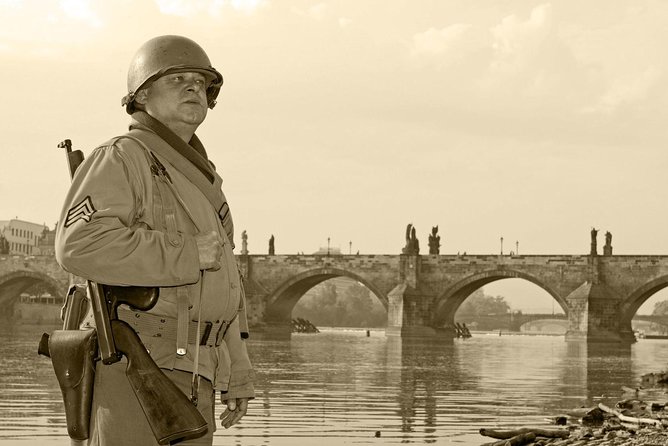
Prague can feel like a movie set if you only chase postcard views. This tour does something smarter. It uses three central areas to help you understand how the same streets and monuments can hold very different meanings depending on the era.
You’re not just hearing dates. You’re getting cause-and-effect. You start with the shifting control of Czech lands, move into Nazi occupation and resistance, then step forward into a communist system shaped by Soviet influence. By the time you reach Wenceslas Square, you’re ready to see why the Prague Spring mattered, why the 1969 student actions became a symbol, and why 1989 could happen after decades of repression.
Most of all, I like the format: it’s short, around 2 hours, and the stops are spaced so you can absorb the stories without feeling rushed off your feet. It’s a great primer if you plan to explore Prague afterward on your own.
Křižovnické náměstí: the Old Town Bridge view and a vanished Stalin
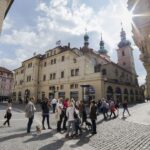
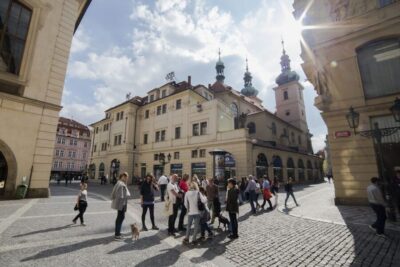
The meeting point is Křižovnické náměstí, in central Old Town, near the Old Town Bridge Tower area. You begin right in the heart of things, then head into a guided route that frames what you’re seeing in historical context. The walk starts with a strong visual anchor: you get a panoramic view toward Prague Castle, the long-running seat of Czech rulers and leaders.
Here’s a detail that makes the tour stick. Not far from this area, there once stood what’s described as the largest statue of Joseph Stalin in the world. Your guide uses this to show a simple idea: regimes change, and so does what a city chooses to remember or erase.
At this first stop, the time is brief, about 15 minutes, but it works like a warm-up. The guide sets the tone by laying out the major events in a step-by-step way, so later stops feel like chapters you can follow instead of separate facts.
What to consider: you’ll be standing and looking around for views, so comfortable shoes matter here. This is a walking tour, even if one segment feels “quick.”
New Town’s turning points: from Habsburgs to Czechoslovakia, then occupation
Next you move toward Nové Město (New Town), and the tour tightens its focus on statehood and survival. This part connects Czech identity to political change, starting with what led from Austrian monarchy control to an independent democratic Czechoslovakia.
The guide’s framing is useful because it doesn’t treat WWII as an isolated tragedy. It explains the conditions that made the interwar period complicated, including how Czechoslovakia is described as having one of the strongest economies of its time and being the last functioning democracy in Eastern and Central Europe after 1933. If you’ve only heard WWII as “Germany invaded,” this stop gives you the missing context: what was already fragile, and what was already shifting.
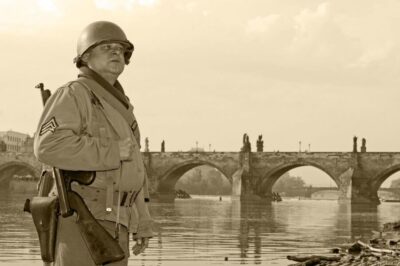
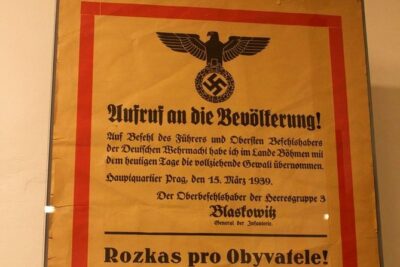
Then it turns to the Nazi era in a very specific way. You learn about suffering under the Protectorate of Bohemia and Moravia, and you hear about Operation Anthropoid, identified as the only successful assassination of a senior Nazi leader during WWII. That detail matters because it shows resistance was not just symbolic. People took risks for concrete outcomes.
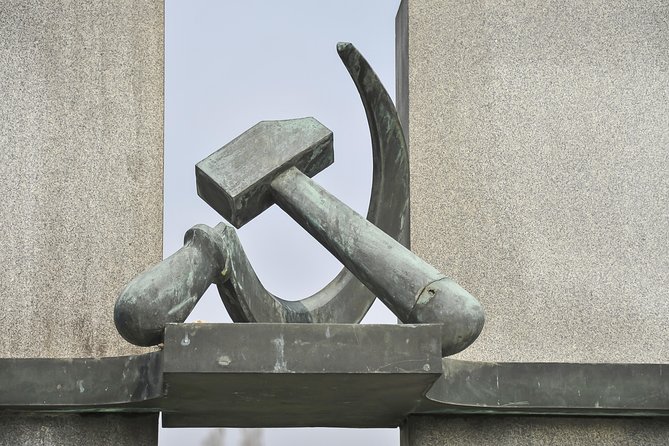
From there, the tour pivots into communism and Soviet influence. The guide describes methods and strategies used by the communist regime, and how power was seized and the country shifted from democracy into dictatorship. You’re also told that human life was treated as something that mattered far less than state goals.
Time on this stop is about 30 minutes, so you’ll want to stay present. If you drift into background mode, you can miss the key thread: how occupation and authoritarian control became a system, not a single event.
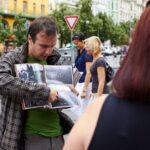
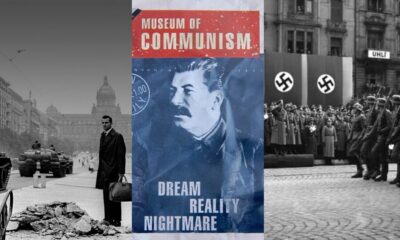
Walking the 1948 to 1989 chapters of Prague
Wenceslas Square: 1968 tanks, 1969 sacrifice, and 1989 on your route
The longest stop is Václavské náměstí (Wenceslas Square), around 1 hour. This is the emotional and historical center of the walk, because the stories overlap with what you can still see today.
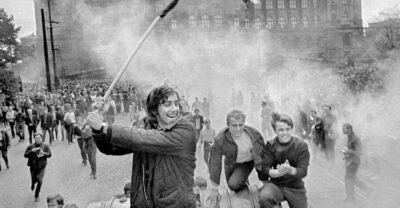
You begin with Prague Spring and then the sharp break that followed. Soviet tanks invading Prague in 1968 are part of what the guide connects directly to the square, including the detail that they shot at the National Museum building on Wenceslas Square. That kind of information changes how you look at a landmark. You’re not just seeing a façade anymore, you’re seeing a moment in the city’s memory.
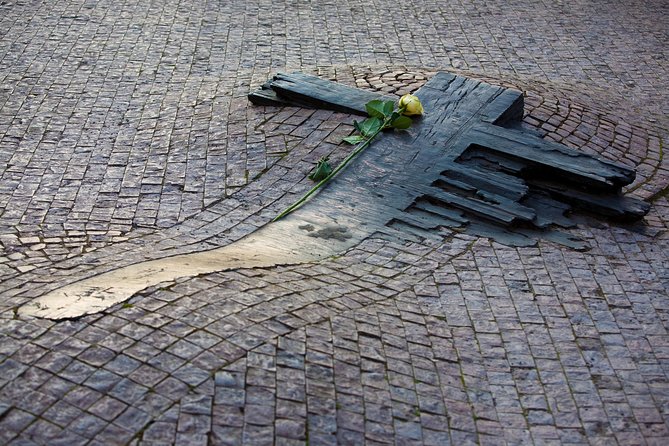
Then comes 1969, and a very heavy moment the tour honors on the same square. The guide points to the memory of young students who set themselves on fire to unite the nation against a common enemy. It’s described as an act that became part of the longer story leading to later resistance.
As the tour moves into the late communist era, you’ll also hear how the events of the 1970s and 1980s reflected in the streets you pass. The guide names figures and themes that help you connect individual moments to the broader outcome.
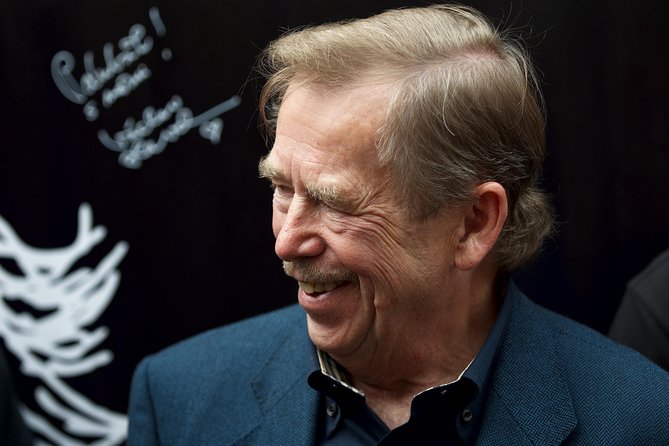
Finally, you land on the guide’s through-line to the Velvet Revolution of 1989. You hear about Václav Havel, courageous students, brutal police forces, and clashes connected with Národní třída. The tour wraps this part by explaining how democracy ultimately returned after more than 40 years of communism, and it even includes some humorous, obscure stories from the newly gained freedom period, so the mood doesn’t stay only tragic.
If you’re doing this tour early in your trip, this is the stop that helps you make sense of Prague later. It’s where the city becomes more than scenery.
Guides matter here: first-hand stories and personal perspective
A lot of history tours sound the same. This one tends to work better because the guides bring lived context, not just textbook narration.
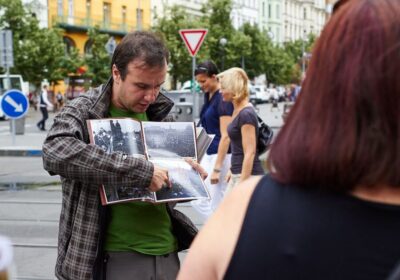
Several guides have been described as engaging and able to answer questions easily, including guides named Tomas, Martin, Dominick, Maria, Michal, and Zdenek. What stands out is not just name recognition, it’s the way they teach. In one example, the guide described having been a student demonstrator during the Velvet Revolution, which turns 1989 from “an event” into something you can feel.
In another account, a guide described personal life under communism, including what it was like in everyday childhood routines. That kind of detail makes the big themes less abstract, especially when the tour explains how systems shaped daily behavior.
You should also know that the tour can run longer if you’re asking questions. Some departures reportedly extended from around 2 hours into the 2.5 to 3 hour range, especially when the group stayed engaged. If your day is tight, plan a little buffer afterward.
One more small practical point: guides also tend to share suggestions after the walk, with tips for food and beer. If you want a next step while everything is fresh in your mind, this is useful.
Timing, walkability, and what to expect from the route
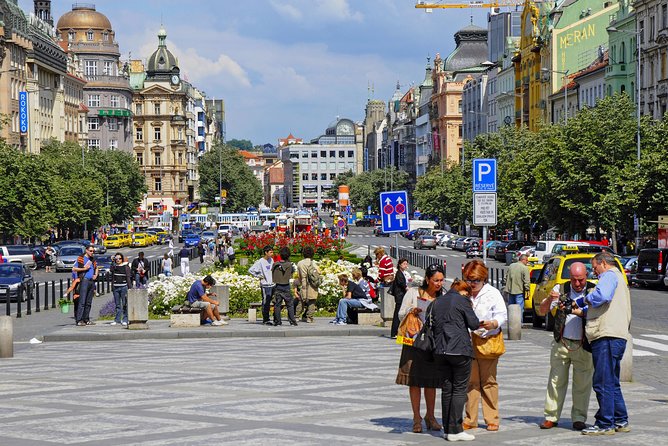
The tour is scheduled to start at 10:00 am. It’s listed at 2 hours approximately, and the pacing matches that. The order is deliberate: Old Town Bridge Tower area for castle views and memory, then a New Town segment for statehood, WWII, and communism, and finally Wenceslas Square for the late communist period and revolution.
You’ll be on foot across central Prague. A practical hint from people who finished this tour is to wear comfortable shoes, because even a short timeline adds up when you’re listening and stopping for viewpoints.
You’re also working with a small maximum group size of 25 travelers. That helps the guide keep it conversational and answer questions without turning the walk into a moving lecture hall.
Also, this is a mobile ticket experience in English. The meeting point is near public transportation, so it’s easier to plug into your day even if you’re not staying right in the Old Town.
Price and value: what $30.12 buys you in context
At $30.12 per person for about 2 hours, you’re paying for a guided interpretation of a dense era, not just a walk. That matters because Prague’s 20th century is hard to piece together on your own if you don’t know where to start.
What you’re getting for the money is:
- A guided timeline that links WWII occupation and resistance to postwar communist takeover
- Specific named stories like Operation Anthropoid and the events around 1968 and 1969
- Focus on major public spaces you can also revisit later to deepen your understanding
You’re not paying for food, and the tour doesn’t include meals. That’s normal for this kind of walking format, but it does mean you should plan a snack or an early lunch if you’re prone to hunger during history marathons.
If you’re a history buff, the value is strong because the guide brings order to complicated topics. If you’re more casual, the price can still be worthwhile for the orientation and the key landmarks, but you may want to set expectations: this isn’t a light overview, it’s a political history walk.
Who this tour suits best
I’d point you toward this tour if you fit any of these:
- You want to understand how WWII and communism shaped modern Prague
- You like guided storytelling that connects events to specific streets and monuments
- You enjoy asking questions and hearing personal perspective from locals
- You’re pairing this with other Prague sights and want a stronger historical lens
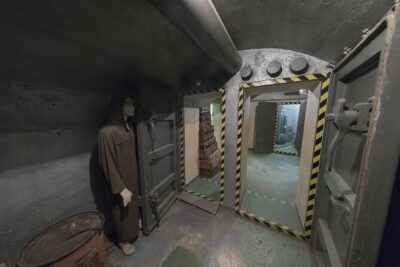
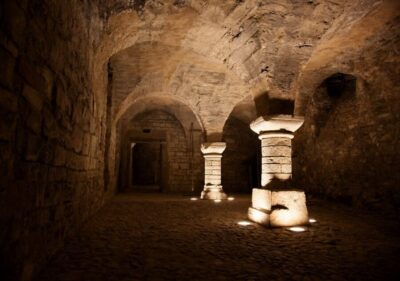
It may be less ideal if you want a strictly “sites only” experience with lots of separate monuments and museums, or if you specifically want underground spaces like hideouts or tunnels. One traveler said another type of tour focused more on that side of WWII history. So if you know you want those specific locations, you might pair this walk with an additional focused WWII stop.
Final call: should you book this Prague communism and WWII walk?
Book it if you want your Prague to come with context. This is the kind of tour that turns a beautiful city into a readable story, especially once you reach Wenceslas Square and the guide ties 1968, 1969, and 1989 into one line.
Skip it or supplement it if your ideal day is mostly architecture and relaxed wandering with minimal politics. The walk can also feel more narrative than “visit a long list of physical sites,” so decide based on whether you want explanation first or location first.
If you’re still deciding, take this practical approach: if you can spare a morning around 10:00 am and you’re willing to wear comfortable shoes, this is a high-value way to get your bearings and learn why Prague’s history still shows up in the streets.
FAQ
How long is the Prague Communism and World War II walking tour?
It runs for about 2 hours.
How much does the tour cost?
The price is $30.12 per person.
Where does the tour start?
The tour starts at Křižovnické náměstí (110 00 Praha 1-Staré Město).
What time does the tour start?
The start time is 10:00 am.
Is food included?
No. Food and drinks are not included.
What language is the tour offered in?
The tour is offered in English.
Is admission included at the stops?
The stop notes show admission ticket free.
Is there a mobile ticket?
Yes, the tour includes a mobile ticket.
What is the group size limit?
The maximum group size is 25 travelers.
What is the cancellation policy?
You can cancel for a full refund if you cancel at least 24 hours in advance of the experience’s start time.
Are children allowed?
Children must be accompanied by an adult.
More Tour Reviews in Prague
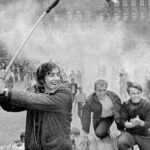
Between 1948 and 1989
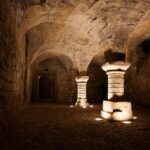
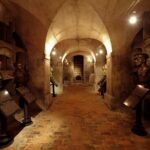
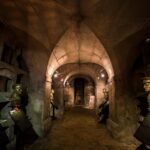
Wartime Ground in Prague
Freshly written up in Prague
- World War II 4WD Tour from Prague with Lunch
★ 4.4 · 3 reviews - World War II History Tour of Prague’s Old Town
★ 5.0 · 3 reviews - Welcome to Prague – Private Tour with Licensed Guide
★ 5.0 · 3 reviews - Gourmet Brunch with Chef: Unlimited Drinks & Stunning River Views
★ 5.0 · 3 reviews - VIP Prague Segway Tour Around Monastic Breweries
★ 4.0 · 3 reviews
WWII & Operation Anthropoid Tours, compared.
 ★ 4.7WWII Guided Tour & The Crypt of Operation AnthropoidFrom $421,030 reviews
 ★ 5.0WWII in Prague Tour & The Crypt of Operation AnthropoidFrom $43817 reviews
 ★ 5.0Small-Group World War 2 & Operation Anthropoid Tour in PragueFrom $33231 reviews
 ★ 4.8World War 2 and Operation Anthropoid Walking TourFrom $32193 reviews
 ★ 4.7World War II and Communist History TourFrom $34130 reviews
 ★ 4.7Communists and World War II TourFrom $2988 reviews
 ★ 5.0Half-Day WWII Prague Walking TourFrom $4768 reviews
 ★ 4.93–Hour Communism and World War 2 E-Bike TourFrom $7456 reviews
Browse the lists this tour appears in