
REVIEW · WWII & OPERATION ANTHROPOID TOURS
Prague: Communists and World War II Tour
Prague’s 20th-century story is written in stone. This Communists and World War II walking tour strings together the years that led to WWII, the pressures of Communism, and the moments that tipped Czechoslovakia into the post-Iron Curtain era. I love the focus on street-level context, from Nazi-era themes to the politics of the Cold War, and I also like that the tour can pair naturally with the Museum of Communism afterward. One thing to plan for, the subject matter is heavy, so if you want relaxed sightseeing only, this may feel intense.
You start near Charles Bridge, then move through major central Prague squares and streets while your guide explains how events piled up over decades. Guides named in past bookings, like Barbara, Martin, Otakar, Inna, and Illene, are praised for strong explanations and for answering lots of questions, which matters on a topic like this. The 2 hours move fast enough that you’ll get the big story without turning it into a lecture marathon, but you do need comfortable shoes and stamina for walking in the center.
In This Review
- Key Takeaways Before You Go
- Why This Tour Works: Prague as a 20th-Century Classroom
- Staring at Charles Bridge, then Moving into the Story
- National Street and the Road Toward World War II
- New Town Prague: Gestapo Footprints and the Nazi Occupation Theme
- Wenceslas Square: Where Czech Politics Hits the Big Stage
- 30-Meter Stalin and the Cold War Weight You Can See
- Republic Square, Jan Palach, and the Velvet Revolution Chain
- How the Museum of Communism Bonus Fits (And When to Use It)
- Price and Value: Is $29 Worth It?
- Group Size, Pace, and Practical Comfort
- The Guides: What Good Tutoring Feels Like on the Streets
- Who This Tour Suits Best (And Who Might Skip It)
- Book It or Skip It?
- FAQ
- Where does the tour start?
- Where should I meet if I’m using public transit?
- How long is the tour?
- What languages are available?
- Is the Museum of Communism included?
- What will I see on the tour?
- What should I bring?
- Is there a refund if I change my plans?
Key Takeaways Before You Go
- WWII and Communism on the same walk, with a clear thread from pre-war tensions to post-war control
- The 30-meter Stalin statue, a massive visual anchor for the Cold War era
- Street time in the exact center, from National-area Prague to Wenceslas Square and Republic Square
- Cold War details you can explain afterward, including Jan Palach and the Velvet Revolution
- Strong guide energy, with guides like Barbara, Martin, Otakar, Inna, and Illene repeatedly called out for clarity
- A built-in bonus for museum time, thanks to a 10% coupon for the Museum of Communism
Further wartime ground covered in Prague
- Prague: WWII Guided Tour & The Crypt of Operation Anthropoid★ 4.7 · 1,030 reviews
- WWII in Prague Tour & The Crypt of Operation Anthropoid★ 5.0 · 817 reviews
- Small-Group World War 2 & Operation Anthropoid Tour in Prague★ 5.0 · 231 reviews
- Prague: World War 2 and Operation Anthropoid Walking Tour★ 4.8 · 193 reviews
Why This Tour Works: Prague as a 20th-Century Classroom
Prague can look gorgeous and calm, but the city center also keeps receipts from the worst parts of the 20th century. This tour turns those receipts into a usable timeline, so you’re not just seeing landmarks, you’re understanding why they matter.
I like that it links the dots rather than treating WWII and Communism like two unrelated chapters. You’ll hear about what led toward WWII, then shift into what happened after, including life under the Communists and the tighter political atmosphere of the Cold War.
Staring at Charles Bridge, then Moving into the Story
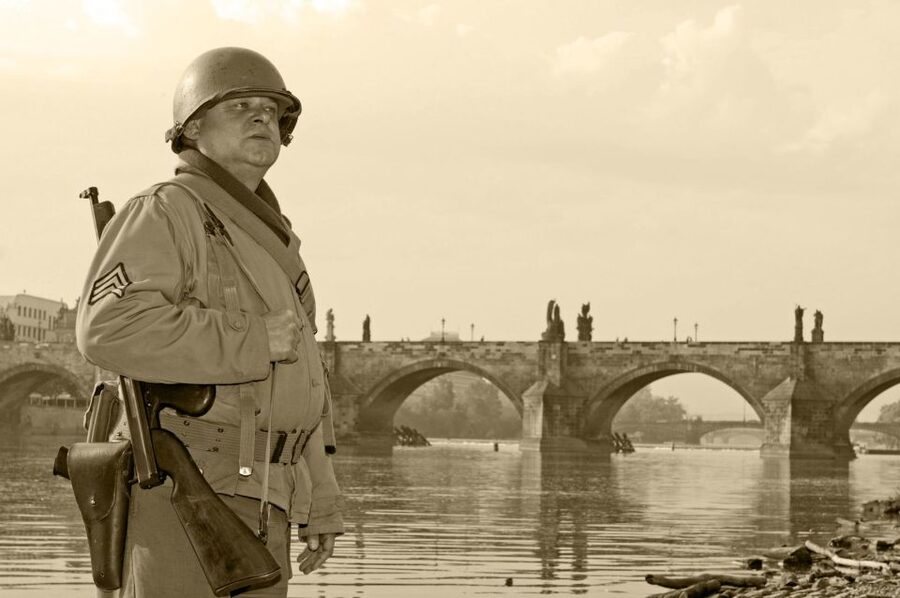
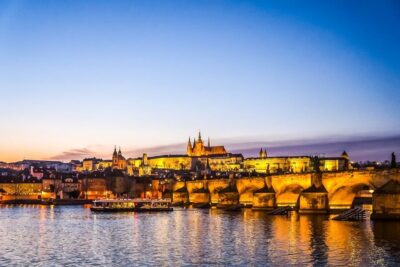
The meeting point is right by Charles Bridge, at Křižovnické náměstí, next to the Statue Charles IV, and the guide holds an orange umbrella. If you’re coming by transit, the closest option is Staroměstská, which is handy because it keeps your start from turning into a puzzle.
On a tour like this, the first few minutes matter. You’ll want to get your bearings fast, because the guide’s job is to teach you how to read Prague’s central streets as political space, not just tourist scenery.
National Street and the Road Toward World War II
The walk brings you into Národní area early, and that’s a smart choice. National streets and central corridors are where everyday life meets power, and your guide uses that setting to explain how the political climate before WWII hardened over time.
You’ll hear about the events that helped lead to WWII in Prague, with the story framed around how political forces and occupation pressures worked on ordinary people. I find this approach helps you stop memorizing dates and start grasping cause and effect.
New Town Prague: Gestapo Footprints and the Nazi Occupation Theme
New Town Prague enters the picture as you move along, and the emphasis shifts toward what Nazi rule meant on the ground. The tour explicitly centers on streets tied to the Nazi era, including the idea of the Gestapo’s presence in Prague.
This is where the tour gets emotionally heavy without drowning you in misery. The goal is to help you understand how fear, control, and political repression reshaped daily life, and how those changes created conditions that later made the Communist takeover easier to enforce.
Wenceslas Square: Where Czech Politics Hits the Big Stage
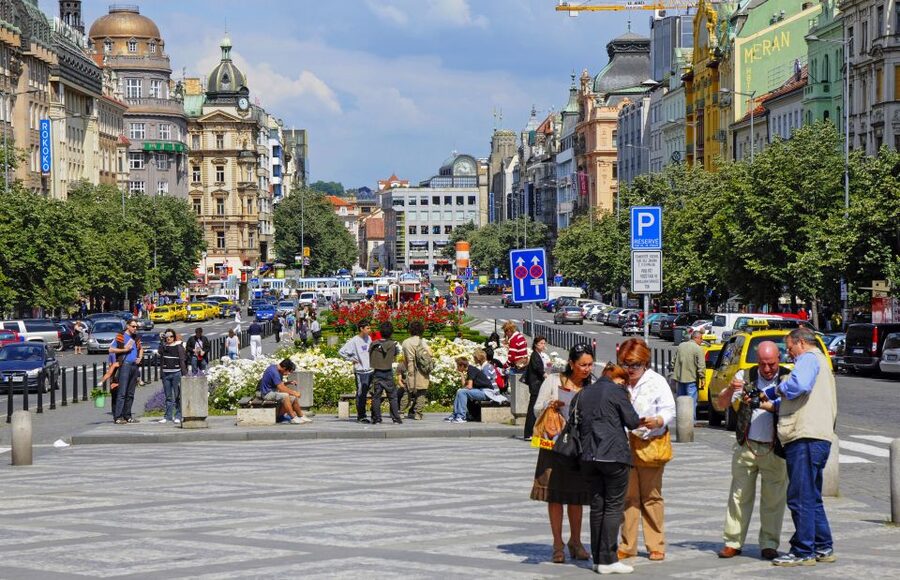
Wenceslas Square is the kind of place where history feels loud, even if the street is quiet. Here, the guide connects 20th-century political drama to visible public space, and you learn how people used monuments, speeches, and symbolism to claim the future.
This stop also supports the tour’s Cold War themes, especially the contrast between Prague’s public face and what life became behind the scenes. If you enjoy understanding symbolism in cities, you’ll get a lot out of this square.
30-Meter Stalin and the Cold War Weight You Can See
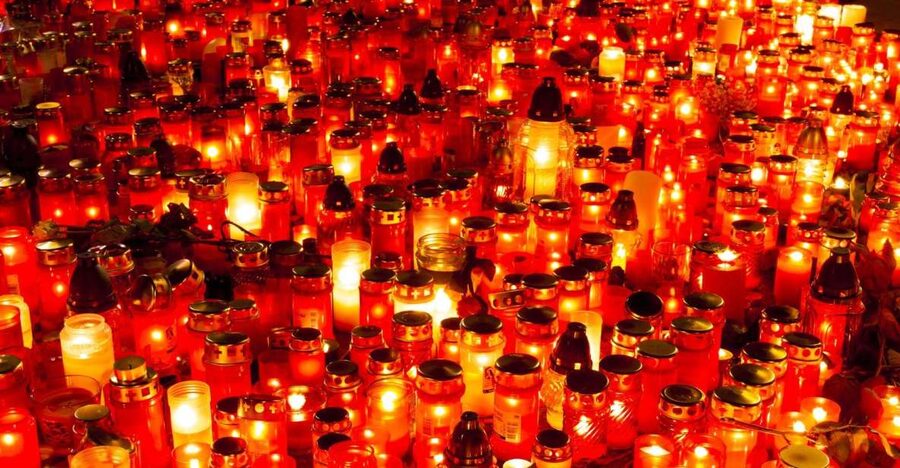
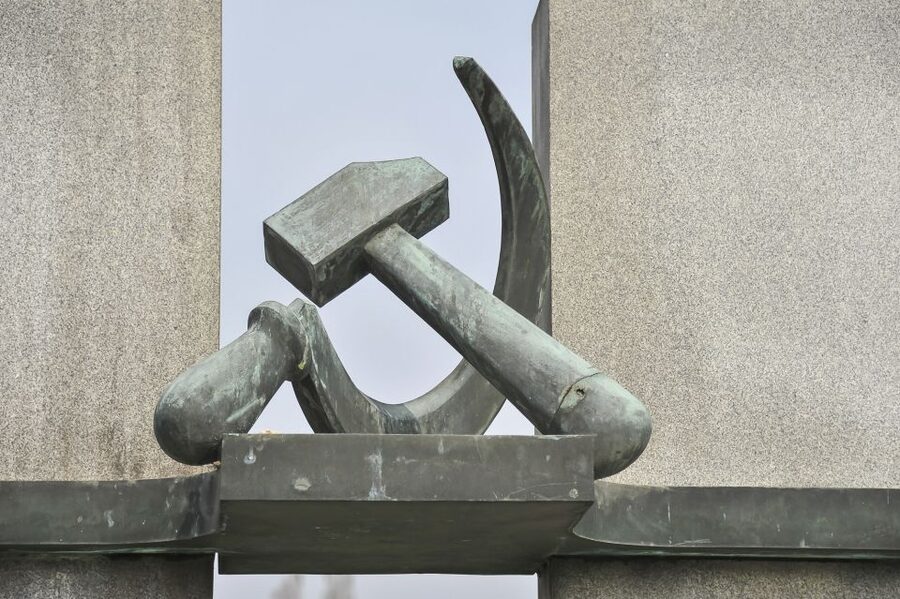
One highlight is the 30-meter tall statue of Stalin. A statue that size does not stay neutral, it broadcasts power, and the tour uses that fact to explain how Communist rule wanted to look permanent.
I like this part because it gives you a concrete object to attach to the story. When you can connect a massive visual to a political goal, the history stops feeling abstract.
The guide also covers the broader arc after WWII, including the Russian Occupation and how the Iron Curtain tightened Czech life. You’ll hear about how black-listed books were burned, which is one of those details that shows the regime’s idea of control was cultural as well as political.
Republic Square, Jan Palach, and the Velvet Revolution Chain
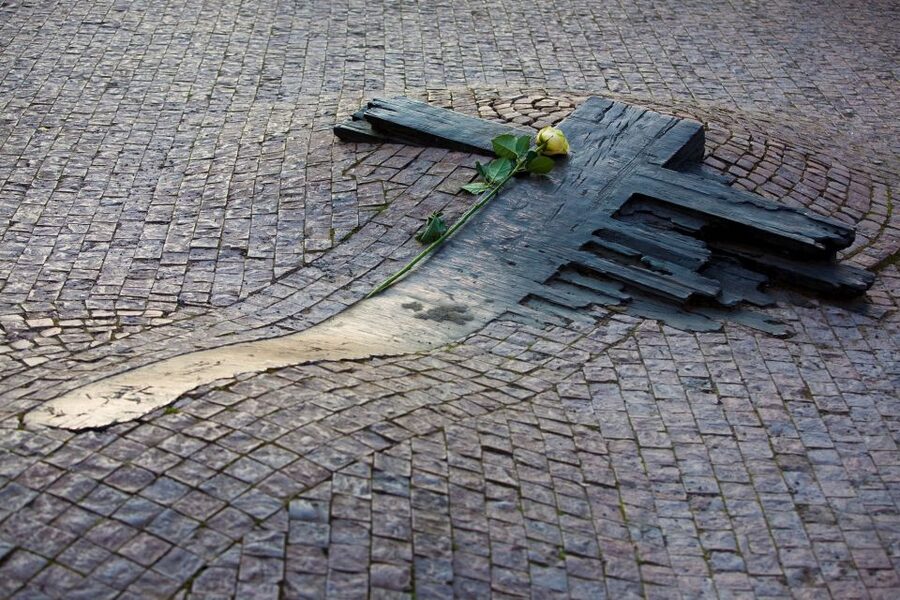
Near Republic Square, the story leans into the turning points that show people pushing back. The tour covers why student Jan Palach set himself on fire, including what led up to that desperate act and why it mattered.
From there, the focus moves toward the Velvet Revolution, the chain of events that helped break the Communist grip. The guide’s job is to make that “how did this happen” feel answerable, not mysterious.
And it’s not only about crowds or leaders. One of the tour’s recurring strengths is that it highlights individuals tied to Czech resistance and moral courage, including references like Milada Horchová, plus darker WWII connections such as Reinhardt Heydrich mentioned in guide storytelling.
How the Museum of Communism Bonus Fits (And When to Use It)
The tour includes a 10% discount coupon for the Museum of Communism, and Museum entry is included if you choose that option. This pairing works well because the walking portion gives you the political timeline, while the museum can give you objects, exhibits, and extra context to hang it on.
If you’re the type who likes to leave with a clear mental map, I’d plan on using that coupon the same day if you can. Even if you’re not, the museum can help you translate what you heard on the streets into something more detailed and tangible.
Price and Value: Is $29 Worth It?
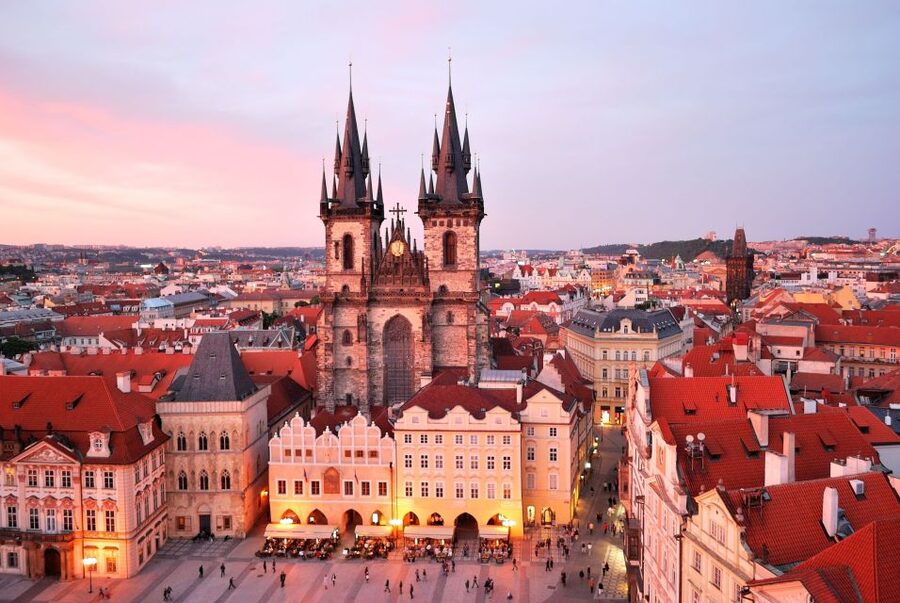
At $29 per person for a 2-hour walking tour, the value depends on what you want from Prague. If you want just a quick hit of trivia, it’s not the best fit. But if you want a guided thread through WWII, Communism, and the Cold War, it’s a solid deal for a focused, local-led experience.
The biggest value signal for me is the way the tour is built around real central landmarks and a tight storyline. You’re not bouncing across Prague for one or two facts, you’re staying in the heart of the city while learning how politics shaped what you see.
Also, the tour is offered in German, Russian, and English, which helps if you’re traveling as a mixed-language group. Duration is short enough to keep energy up, but long enough for the guide to connect themes clearly.
Group Size, Pace, and Practical Comfort
This is a walking tour, so the practical side matters. Bring comfortable shoes, because central Prague streets add up fast over two hours, especially if the guide pauses for explanation and you stop to look.
A small group can make a big difference on a history-heavy topic, because it leaves room for questions. In previous bookings, people described tours with only a couple of participants, and that kind of format often makes it easier for the guide to tailor answers to what you care about.
One more note: there’s no place for drinking on this tour, and alcohol and drugs are not allowed. Plan on staying alert and present, because the stories are strongest when you’re not distracted.
The Guides: What Good Tutoring Feels Like on the Streets
The quality of this kind of tour rises and falls with the guide. Past guides named in bookings, including Barbara, Dana, Geoff, Martin, Otakar, Inna, and Illene, are repeatedly praised for being engaging and for giving clear explanations that turn complicated history into something you can follow.
You’ll get the most out of the tour if you come with even a light curiosity, like which years mattered most to you or what theme you’re most curious about, WWII triggers, Communist life, or the end of the Cold War. Then use the fact that the guides are described as open to questions to steer your learning.
Who This Tour Suits Best (And Who Might Skip It)
This tour fits you if you want more than postcard Prague. It’s ideal if you like understanding how political decisions shape real places, and you want a guided timeline that covers WWII to the post-war Communist period and toward the Velvet Revolution.
You might skip it if you prefer relaxing sightseeing with minimal heavy topics. The tour stays in the darker chapters of history, including burning books and desperate protest, so it’s not a light mood pick.
Book It or Skip It?
I think this is an easy “yes” if you’re spending limited time in Prague and want your history organized by a guide who can explain it clearly. The $29 price makes it especially appealing because you’re getting a focused 2-hour walk that also tees you up for the Museum of Communism with a discount.
If heavy history makes you uncomfortable, or if you’re in pure leisure mode, you’ll probably feel better choosing something lighter. But if you want Prague with meaning, start here, then add the museum if you feel like going deeper.
FAQ
Where does the tour start?
The tour starts at Křižovnické náměstí, in front of Charles Bridge, next to the Statue Charles IV. The guide will hold an orange umbrella.
Where should I meet if I’m using public transit?
The closest tram or subway station listed is Staroměstská.
How long is the tour?
It lasts 2 hours.
What languages are available?
The live tour guide is available in German, Russian, and English.
Is the Museum of Communism included?
A museum entry ticket is included if you select the option. The tour also includes a 10% discount coupon for the Museum of Communism.
What will I see on the tour?
You’ll walk around central Prague and learn about the events leading to WWII, life under Communism, and key Cold War moments. The tour highlight includes the 30-meter tall statue of Stalin.
What should I bring?
Bring comfortable shoes.
Is there a refund if I change my plans?
Yes, you can cancel up to 24 hours in advance for a full refund. You can also reserve now and pay later.
More Tours in Prague
More Tour Reviews in Prague
Wartime Ground in Prague
Freshly written up in Prague
- World War II 4WD Tour from Prague with Lunch
★ 4.4 · 3 reviews - World War II History Tour of Prague’s Old Town
★ 5.0 · 3 reviews - Welcome to Prague – Private Tour with Licensed Guide
★ 5.0 · 3 reviews - Gourmet Brunch with Chef: Unlimited Drinks & Stunning River Views
★ 5.0 · 3 reviews - VIP Prague Segway Tour Around Monastic Breweries
★ 4.0 · 3 reviews
WWII & Operation Anthropoid Tours, compared.
 ★ 4.7WWII Guided Tour & The Crypt of Operation AnthropoidFrom $421,030 reviews
 ★ 5.0WWII in Prague Tour & The Crypt of Operation AnthropoidFrom $43817 reviews
 ★ 5.0Small-Group World War 2 & Operation Anthropoid Tour in PragueFrom $33231 reviews
 ★ 4.8World War 2 and Operation Anthropoid Walking TourFrom $32193 reviews
 ★ 4.7World War II and Communist History TourFrom $34130 reviews
 ★ 5.0Half-Day WWII Prague Walking TourFrom $4768 reviews
 ★ 4.93–Hour Communism and World War 2 E-Bike TourFrom $7456 reviews
 ★ 5.0Second World War & Communism (Tip-based 3 hour tour)From $347 reviews
Browse the lists this tour appears in