
REVIEW · WWII & OPERATION ANTHROPOID TOURS
Prague: Historical Walking Tour with Focus on World War 2
This walk turns WWII into street corners, because you get World War 2 context tied to Czech fate and a minute of silence at the old Gestapo headquarters. The subject matter is intense, and the pace can feel quick, so come ready for facts and big emotions.
I also like how the guide keeps you moving while still slowing down the thinking, with lots of photos and professional commentary. You’ll finish near Resslova 9a after a tight 3-hour loop that hits major sites around Old Town and New Town.
If you want Czech-focused WWII history, not just a generic tour, this one is built for you. It is also offered in German, Czech, or English, with a licensed local guide and options for private groups.
In This Review
- Key things that make this tour work
- Where the tour starts: Skautský Institut and a focused route
- The first hour that sets the stage: WW2 “problemacy” plus Czech history
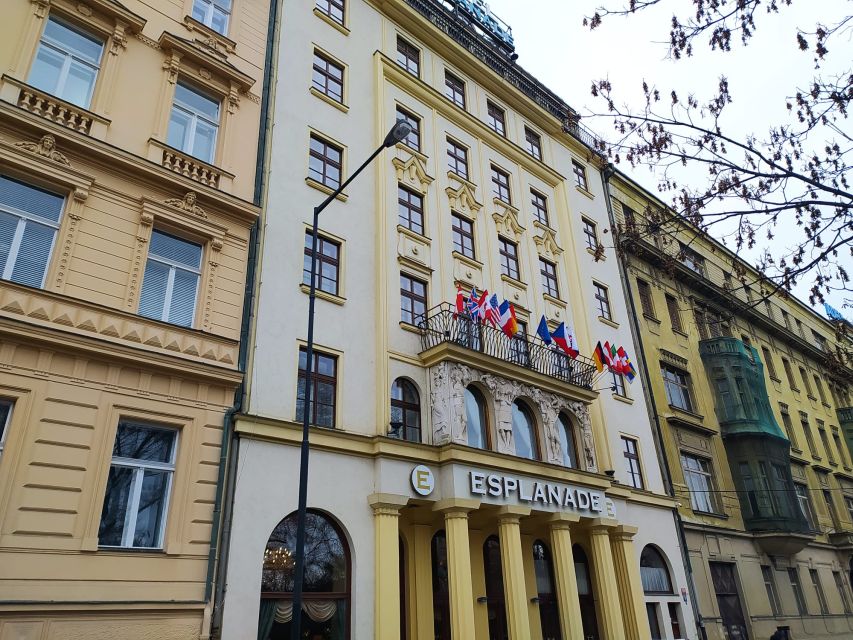
- The hotel tied to Nazi prominence: a reminder that comfort and cruelty can share a door
- Former GeStaPo headquarters: the pause, the respect, and the lesson
- Following the Prague Uprising through Old Town Square and Wenceslas Square
- Czech Radio Headquarters: when messages become targets
- Reinhard Heydrich assassination: the event, the context, and the fallout
- The crypt beneath a church: where the last resistance ends
- How the guide uses photos to keep names and dates straight
- Price and value: $58 for a specialized, story-driven 3 hours
- Practical comfort: shoes, ID, and a subject that can hit hard
- Who this tour fits best
- Should you book Prague’s WWII historical walking tour?
- FAQ
- How long is the Prague WWII walking tour?
- What is the price per person?
- Where do I meet the guide?
- What languages is the guide available in?
- Is the tour wheelchair accessible?
- Is it suitable for children?
- What should I bring for the tour?
- Where does the tour finish?
Key things that make this tour work
- A lecture built into the walk, so you understand what you are seeing
- Gestapo headquarters with a real memorial moment, not a quick photo stop
- Prague Uprising locations in one route, including Old Town Square and Wenceslas Square
- Heydrich assassination explained like a chain of events, not a trivia quiz
- A crypt beneath a church tied to the final resistance, where the story gets personal
- Photo-based guidance, which helps you track faces, names, and dates as you go
Further wartime ground covered in Prague
- Prague: WWII Guided Tour & The Crypt of Operation Anthropoid★ 4.7 · 1,030 reviews
- WWII in Prague Tour & The Crypt of Operation Anthropoid★ 5.0 · 817 reviews
- Small-Group World War 2 & Operation Anthropoid Tour in Prague★ 5.0 · 231 reviews
- Prague: World War 2 and Operation Anthropoid Walking Tour★ 4.8 · 193 reviews
Where the tour starts: Skautský Institut and a focused route
Most days, you meet outside the entrance door to Skautský Institut in an archway. The guide holds a paper that says Spectrum Tours, which makes it easier to spot the right person fast. If your option includes pickup, the exact start point can vary, but the fixed meeting location above is the one to watch for.
You are walking through central Prague on foot for about three hours, ending at Resslova 9a in Prague 2-Nové Město. That matters because the tour is designed as one continuous story, not separate, grab-you-at-a-bus-stop sightseeing chunks.
This is a good setup if you like practical history: you get the key places close together, and you learn how they connect before you move on.
The first hour that sets the stage: WW2 “problemacy” plus Czech history
This tour starts with a theoretical introduction that frames World War 2 as something that played out differently across Europe, and especially in Czech lands. You get the basic mechanics and the timeline, but the real value is how the guide connects WWII to Czech history and Czech choices under extreme pressure.
Think of this as your mental toolkit. Without it, the streets can feel like a list of landmarks. With it, every stop becomes a consequence. You start to understand why certain buildings matter, why resistance grew, and why the aftermath shaped what people remembered afterward.
The guide also uses plenty of photos during the walk, which helps when you are trying to follow names and events without a museum-style display case in front of you.
One practical note: this is not a “wander and talk when you feel like it” style tour. You will need to keep up, especially if you want the story beats to land.
The hotel tied to Nazi prominence: a reminder that comfort and cruelty can share a door
One of the early stops is a hotel that was once popular with top Nazi figures. You might think of WWII only as uniforms and battlefields, but this stop pushes you to notice the normal, polished side of the regime. Leaders stayed in places like any other powerful guest, and that contrast is the point.
The guide’s commentary is where it becomes more than a photo of a façade. You learn what made these spaces attractive to Nazi leadership, and how that kind of closeness to privilege shaped what happened around them.
If you dislike dark history, this is still presented in a factual, guided way, but it is not softened.
Further routes we laced boots for
Former GeStaPo headquarters: the pause, the respect, and the lesson
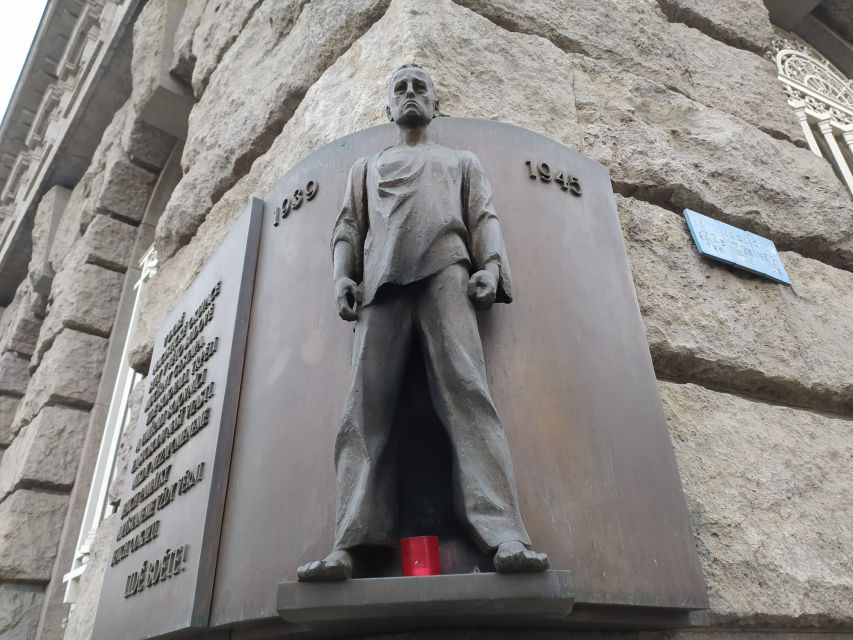
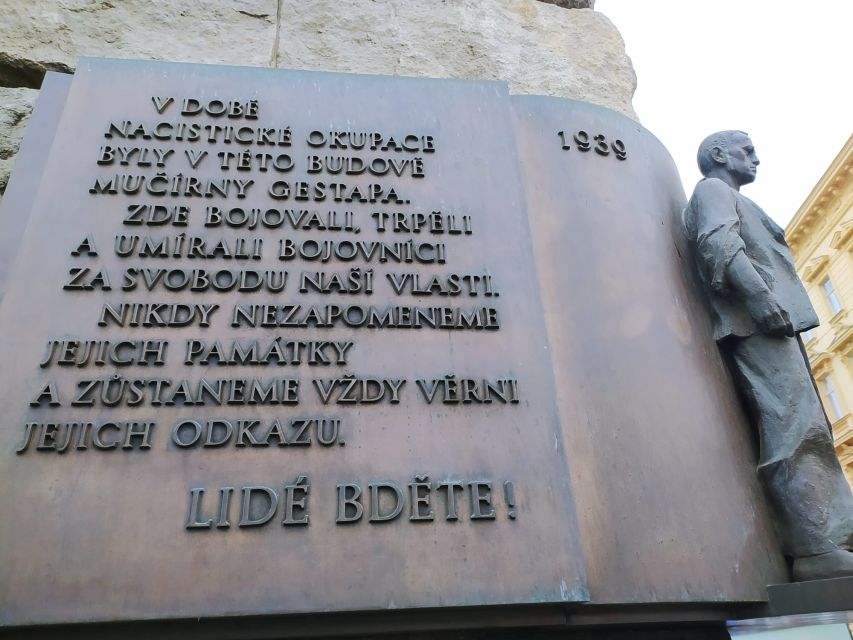
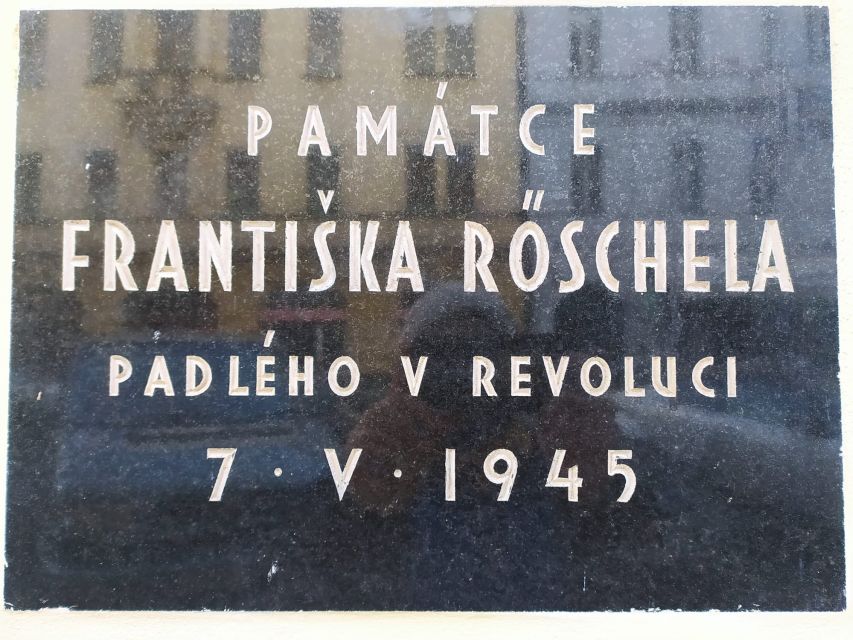
Then you reach one of the most serious parts of the tour: the former GeStaPo headquarters. At this spot, you hold a minute of silence. It is a memorial moment for the victims of Nazism, and it changes the tone from lecture to reflection.
This is also where the Czech story becomes very concrete. You see the kind of power that controlled daily life, and you learn how fear, interrogation, and repression fit into the broader war machine. The goal is not drama. The goal is understanding how systems like this can crush ordinary people.
If you tend to rush through memorials, plan to slow down here. The minute of silence is short, but it anchors the rest of the tour.
Following the Prague Uprising through Old Town Square and Wenceslas Square
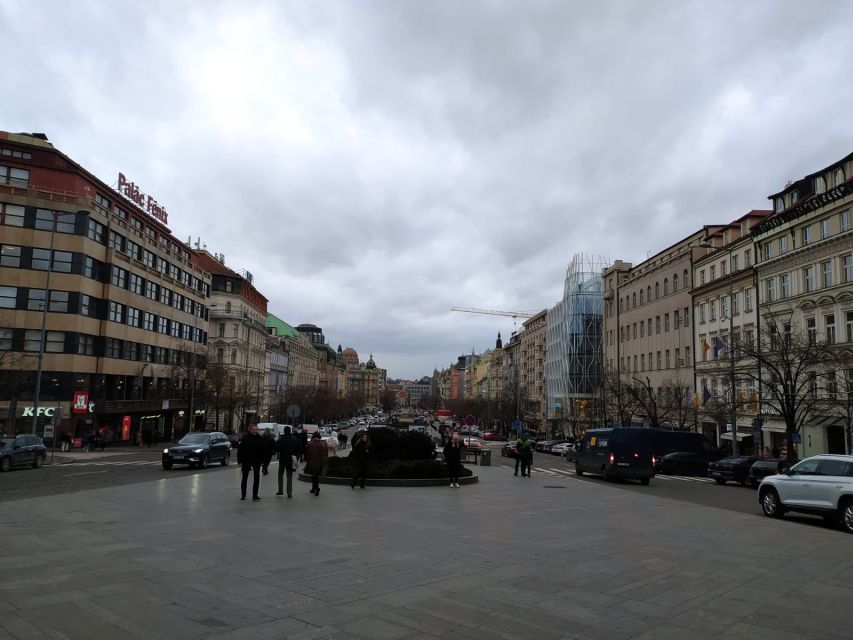
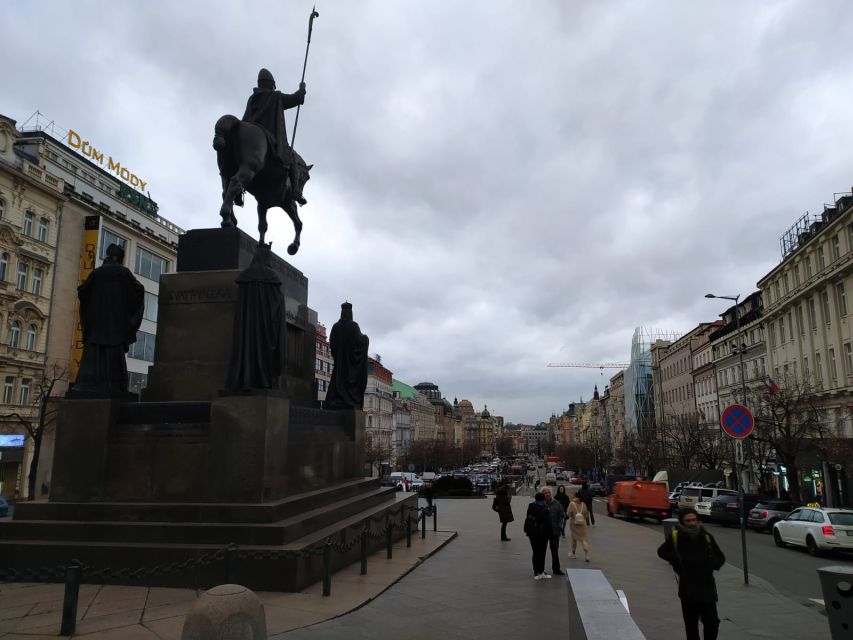
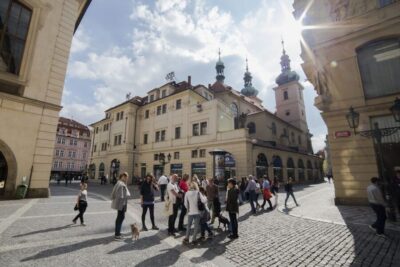
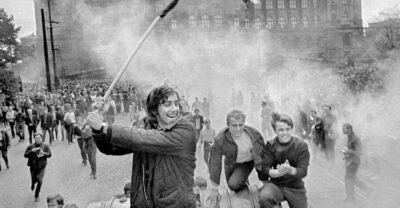
The route then moves into the heart of the Prague Uprising in May 1945, focusing on places connected to the heaviest fighting. Two big landmarks you pass through are Old Town Square and Wenceslas Square.
Old Town Square gives you the historical stage setting, but the guide frames it through the fighting and decisions happening around those spaces. Wenceslas Square adds scale. It is the kind of place where you can picture crowds, movement, tension, and sudden shifts. When the guide ties those visuals to the uprising, the squares stop being generic “must see” stops.
You also get a sense of timing. The tour does a decent job helping you track how fast the city’s situation changed, from resistance pressure to the consequences that followed.
Possible drawback: because the tour aims to cover a lot in three hours, you may not get long sitting time in these large public squares. If you want lengthy photo sessions, keep your expectations realistic and focus on the story.
Czech Radio Headquarters: when messages become targets
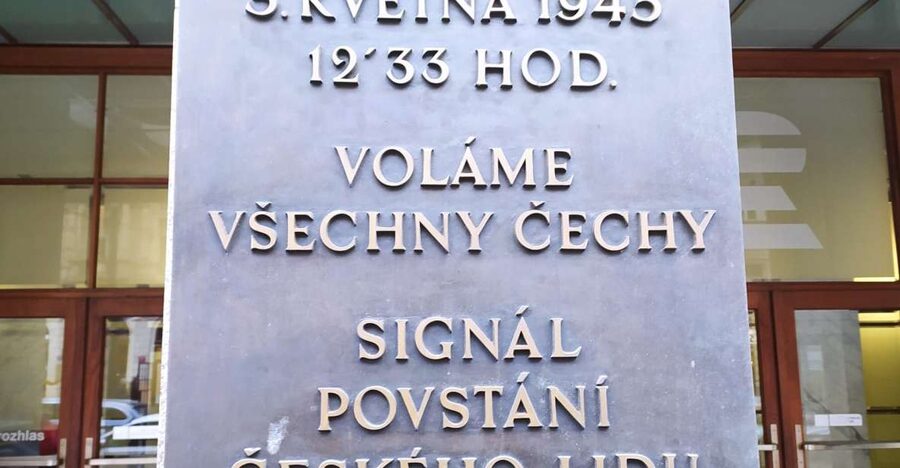
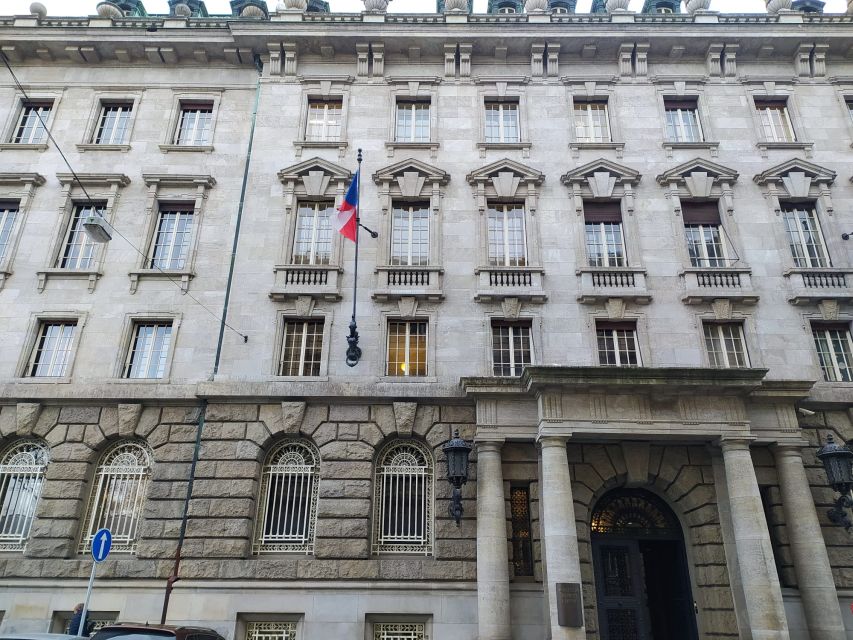
Next is the Czech Radio Headquarters, another key stop in the uprising narrative. Radio mattered because it could spread calls to action and coordinate resistance. But radio also meant visibility, and visibility made it a target.
The guide’s photo support helps here, because the story can otherwise blur when you are standing in a modern location. You learn why the broadcast side of resistance was so dangerous, and how the uprising’s communication links fit into the larger war picture.
This stop is a strong choice if you like history that connects technology to events. It also keeps the tour from being only about explosions and uniforms, because it includes the human choices behind how people tried to steer the day.
Reinhard Heydrich assassination: the event, the context, and the fallout
One of the biggest story threads is the assassination of Reinhard Heydrich, one of the highest-ranked Nazi leaders until 1942. This tour treats the assassination as a problem to understand, not just a headline.
You get the background that explains how Heydrich’s role fed into Czech oppression, then how the assassination episode escalated tensions. The guide also connects what happened afterward to the resistance struggle, so you understand the logic of cause and consequence.
If you like history that answers the “why did this matter” question, this part is a highlight. The guide’s professional commentary helps you connect the street scenes you see with the wider political and military outcomes.
The crypt beneath a church: where the last resistance ends
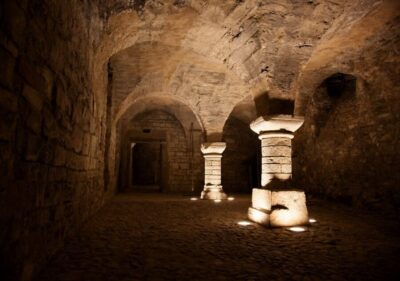
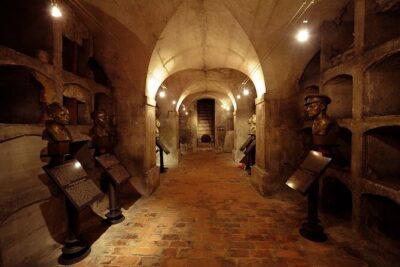
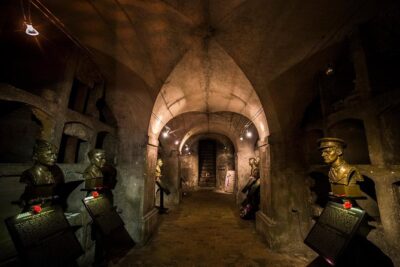
The tour then goes to the place tied to the last resistance and death of the resistance members involved. It is a crypt beneath a church, and the experience is described as incredibly impressive, which makes sense once you are there and the weight of the story hits.
This is not the kind of stop where you come away with a quick photo. You come away with context and gravity. The guide’s presentation ties it to the uprising thread and the Heydrich aftermath, so it feels like the story’s final page rather than a random detour.
Why it is valuable: it grounds the tour in people, not just events. Names and dates matter, but a place like this makes the stakes impossible to forget.
How the guide uses photos to keep names and dates straight
A big part of why this tour holds together is the way the guide uses lots of photos throughout the walk. You are seeing streets and buildings, but you also get images that explain what those places meant at the time.
This matters because WWII Czech history has many moving parts, and it is easy to mix events if you only rely on memory. The photo support gives you anchors, and the professional comments give you the connections between anchors.
If your guide is Petr, you might also hear personal reflections from growing up in Prague, which adds a grounded tone to the big historical themes. That personal layer helps the story feel less like a script and more like something carried through place and memory.
Price and value: $58 for a specialized, story-driven 3 hours
At $58 per person for about three hours, the price may look like a little steep compared to generic walking tours. But the value here is specialization. You are paying for a licensed local guide who builds a lecture, provides photo-based explanations, and covers multiple high-stakes WWII locations tied together as one narrative.
You also get several things that normally cost extra on separate tours:
- A memorial moment at a former Gestapo site
- A focused Prague Uprising route
- Heydrich assassination context explained step by step
- A terminal stop linked to the last resistance in a crypt setting
If you like WWII history but want it in a Czech-focused, on-foot format, this pricing can make sense quickly. If you only want quick landmark sightseeing, you might feel the time is packed.
Practical comfort: shoes, ID, and a subject that can hit hard
Bring passport or an ID card. Comfortable shoes are essential because you are walking and you will want your feet to handle a steady pace without distractions.
The tour is not suitable for children under 10, which fits the tone of the memorial and the heavy historical content. You also need a mindset that tolerates difficult topics. This is WWII history in full.
On the plus side, it is listed as wheelchair accessible, which makes it easier for people with mobility needs to join without needing a separate, different activity.
Who this tour fits best
This tour fits best if you:
- Want Czech-centered WWII history, not only broad European highlights
- Like tours that use theory first, then place-based storytelling
- Enjoy guides who connect facts to consequences, especially around resistance and repression
- Prefer a guided walk where photos and commentary help you track names, dates, and event chains
You might not love it if you:
- Want long unstructured sightseeing breaks at major squares
- Need light, upbeat history
- Have trouble keeping up with a fast-moving, lecture-heavy style
Should you book Prague’s WWII historical walking tour?
I would book it if you care about understanding how WWII unfolded in Czech lands and you want that knowledge anchored to real streets and memorial spaces. The strongest selling points are the combination of a guided lecture, the minute of silence at the former GeStaPo headquarters, and the tight coverage of Prague Uprising locations plus the Heydrich assassination story.
If you are hoping for a casual stroll with lots of free time to wander and take photos, you might feel rushed. But if you want a focused 3-hour experience that treats history with respect, this one is a solid choice.
FAQ
How long is the Prague WWII walking tour?
The tour lasts 3 hours.
What is the price per person?
It costs $58 per person.
Where do I meet the guide?
Meet outside the entrance door to Skautský Institut in an archway. The guide will be holding a paper that says Spectrum Tours.
What languages is the guide available in?
The live guide is available in German, Czech, and English.
Is the tour wheelchair accessible?
Yes, it is listed as wheelchair accessible.
Is it suitable for children?
It is not suitable for children under 10.
What should I bring for the tour?
Bring a passport or ID card, and wear comfortable shoes.
Where does the tour finish?
The tour finishes at Resslova 9a, 120 00 Prague 2-Nové Město, Czechia.
More Tours in Prague
More Tour Reviews in Prague
Wartime Ground in Prague
Freshly written up in Prague
- World War II 4WD Tour from Prague with Lunch
★ 4.4 · 3 reviews - World War II History Tour of Prague’s Old Town
★ 5.0 · 3 reviews - Welcome to Prague – Private Tour with Licensed Guide
★ 5.0 · 3 reviews - Gourmet Brunch with Chef: Unlimited Drinks & Stunning River Views
★ 5.0 · 3 reviews - VIP Prague Segway Tour Around Monastic Breweries
★ 4.0 · 3 reviews
WWII & Operation Anthropoid Tours, compared.
 ★ 4.7WWII Guided Tour & The Crypt of Operation AnthropoidFrom $421,030 reviews
 ★ 5.0WWII in Prague Tour & The Crypt of Operation AnthropoidFrom $43817 reviews
 ★ 5.0Small-Group World War 2 & Operation Anthropoid Tour in PragueFrom $33231 reviews
 ★ 4.8World War 2 and Operation Anthropoid Walking TourFrom $32193 reviews
 ★ 4.7World War II and Communist History TourFrom $34130 reviews
 ★ 4.7Communists and World War II TourFrom $2988 reviews
 ★ 5.0Half-Day WWII Prague Walking TourFrom $4768 reviews
 ★ 4.93–Hour Communism and World War 2 E-Bike TourFrom $7456 reviews
Browse the lists this tour appears in